- Artistic Vision with Practical Expertise
- Questions and Answers to Mario Kleff's Building Designs
- Condominim and Pool Villa
- Architectural Language and Design Influences
- The Last Safeguard to Protect the Architect's Influence
- Architectural Contributions in the Early 2000s
- Building and Interior Architecture: Constructed as Designed
- Buildings that Changed During Construction
- Explore more About The Architect
Mario Kleff: Architecture, Interiors & Construction in Pattaya | Process, Permits & Expertise
Between 2005 and 2010, Mario Kleff, through his firm Wandeegroup (Thailand) Co., Ltd., developed architectural designs for numerous projects in Pattaya, Thailand. Projects were submitted through the applicable permitting process and received official building permits from the relevant authorities at Pattaya City Hall. Not every permitted project proceeded to construction, with some developments being put on hold or cancelled amid the economic and real-estate downturn following the 2008 Global Financial Crisis. Among the projects that did proceed, some were also altered during construction, resulting in completed buildings that differed from the original permitted designs. Notable condominium clients included TAG Group and Heights Holdings.
Crisis Impact and Permitting in Pattaya
The 2008 Global Financial Crisis (GFC) impacted Thailand's real estate sector, including the property market in Pattaya. Government measures helped mitigate some of the broader economic effects. A study examining publicly listed Thai real-estate companies from 2004 to 2012 found that the sector remained relatively profitable during 2008–2010, in part reflecting the impact of government intervention.
Pattaya's condominium market nevertheless faced increasing structural challenges in the years that followed. By 2015, approximately 181 projects totaling over 63,000 units had been developed. As new supply continued to outpace demand, take-up rates declined, contributing to concerns about oversupply in the market.
This broader market context is important when assessing architectural projects from the period: obtaining a building permit established that a project had passed the applicable regulatory process, but it did not guarantee that the permitted development would ultimately be built. Economic conditions, financing, market demand, and developer decisions could all affect whether a permitted project proceeded to construction.
Architectural Expertise and Comprehensive Design Approach
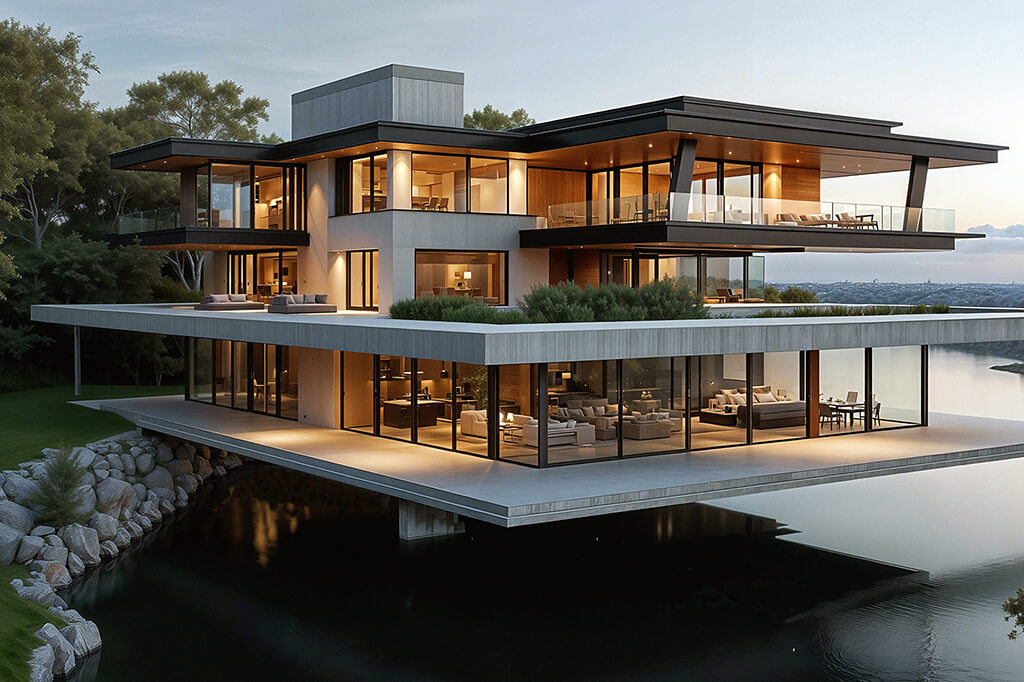
With more than two decades of experience in Thailand, Mario Kleff combines architecture, interior design, furniture design, structural engineering, and technical expertise. His extensive on-site construction experience—overseeing both villas and condominiums—reinforces his reputation as a designer working across architecture, interiors, engineering, and construction, managing every phase from design to construction with precision.
Note on Terminology: “Architect”
In this document, “architect” refers to the professional responsible for the architectural conception, design development, spatial planning, and architectural expression of a project. The term describes the individual’s architectural design role and authorship and is not, by itself, a statement concerning statutory architectural licensing in Thailand.
Where Thai law requires a licensed architect for regulated professional acts, permit submission, certification, or other statutory responsibilities, those functions are distinct from the architectural design role described in this document. This distinction allows architectural authorship and design responsibility to be discussed separately from professional licensing and statutory authority.
Licensing and Legal Expertise in Thailand
Mario Kleff is not a Thai-licensed architect. From 2004, Thai government-issued work-permit documentation records his authorized employment in Thailand as a foreign designer. His role in individual projects is additionally documented through project drawings, design documents, and permit-related records.
Project blueprints were personally attributed to him with markings such as ‘Designed by Mario Kleff’ or ‘Design by Mario Kleff,’ documenting his role as the project designer and identifying him as the credited design author.
For further context, see Mario Kleff on Architecture, Design, and Licensing.


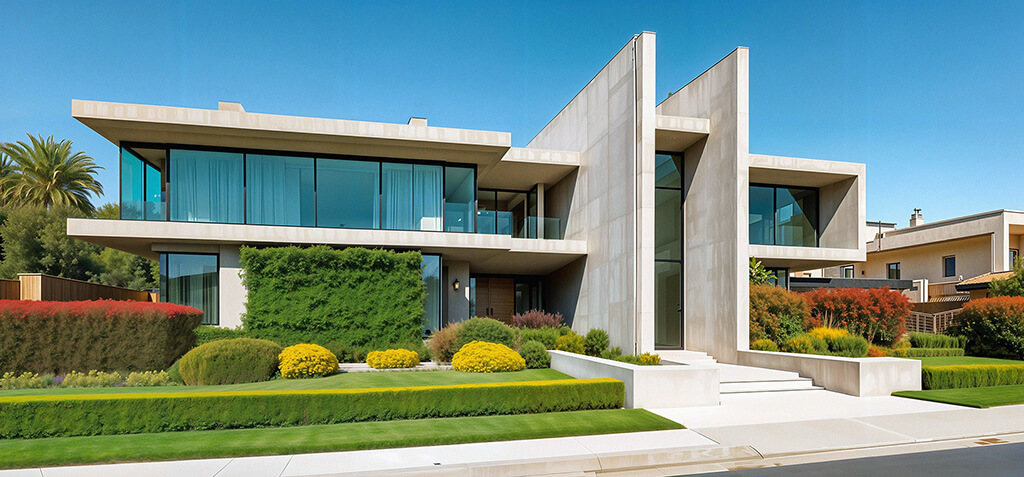
Development in 2024 by Mario Kleff
Bamboo Luxury Villa in Huay Yai, Pattaya
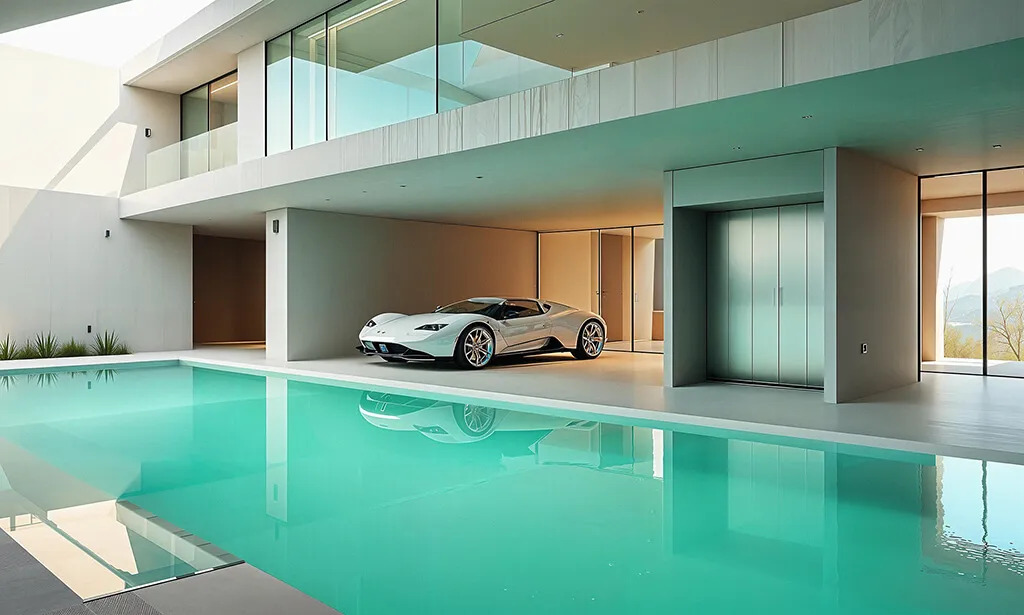
Mario Kleff oversaw the Bamboo Luxury Villa project to ensure that the architectural vision and construction quality remained faithful to the original plans. Unlike typical developments where developers or sales teams alter designs during construction, Kleff acted as both the designer and developer, preserving the integrity of the project from concept to completion.
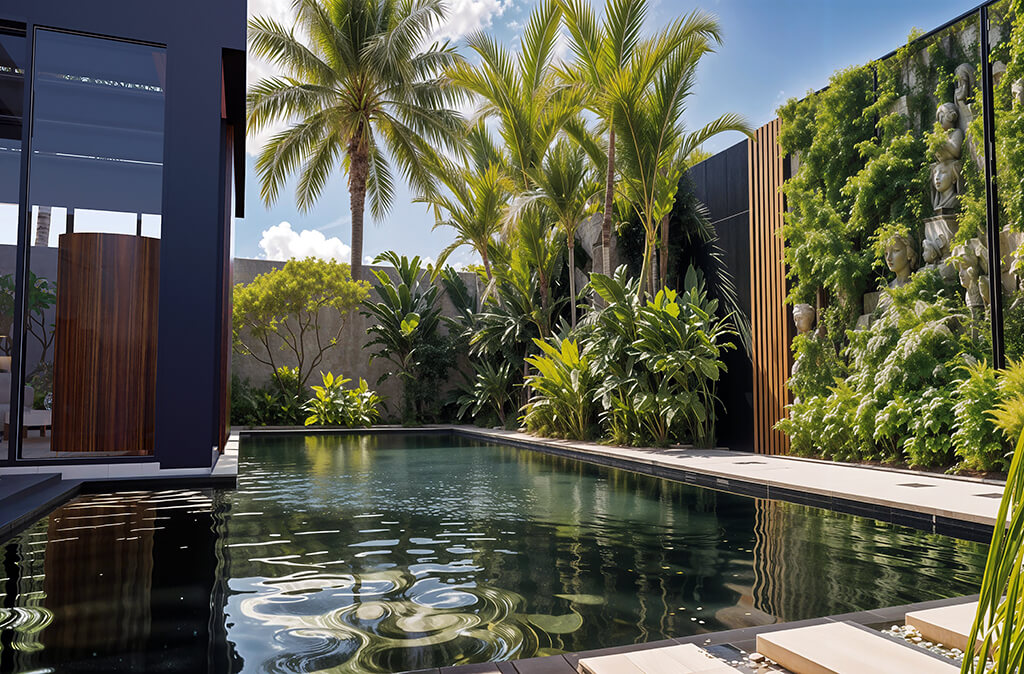
Download the Bamboo Luxury Villa e-brochure for full project details.
From Design Concept to Reality: The Impact of Cost-Cutting in Development
The transition from initial design to the final build is often influenced by budget constraints and practical adjustments. While some projects preserve key architectural elements, others undergo significant changes. Cost-cutting measures can alter materials, layouts, and finishes, sometimes resulting in a final product that diverges from the original architectural vision.
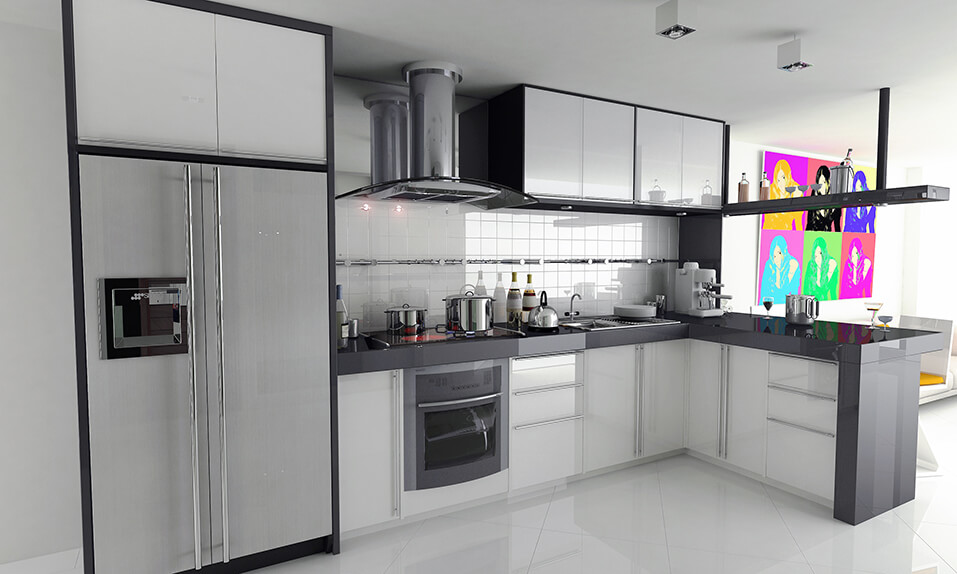
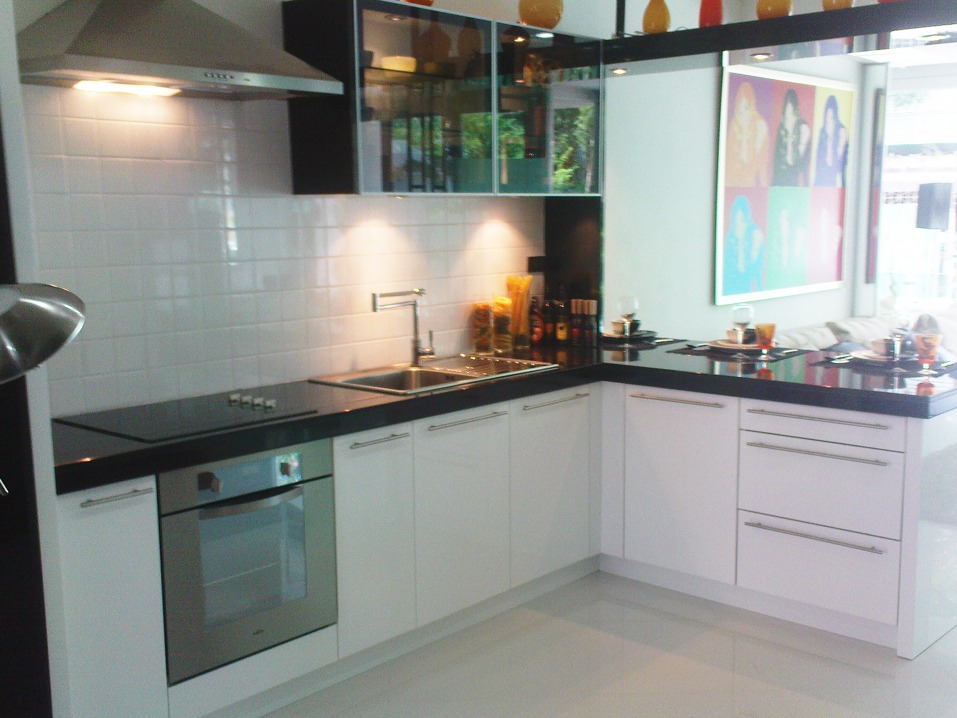
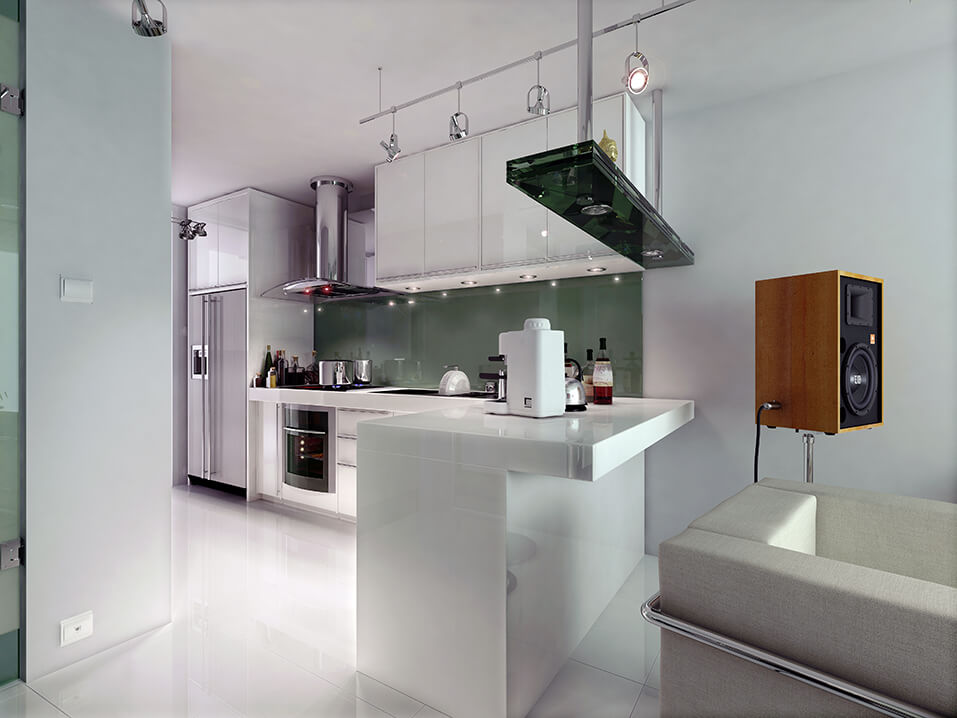
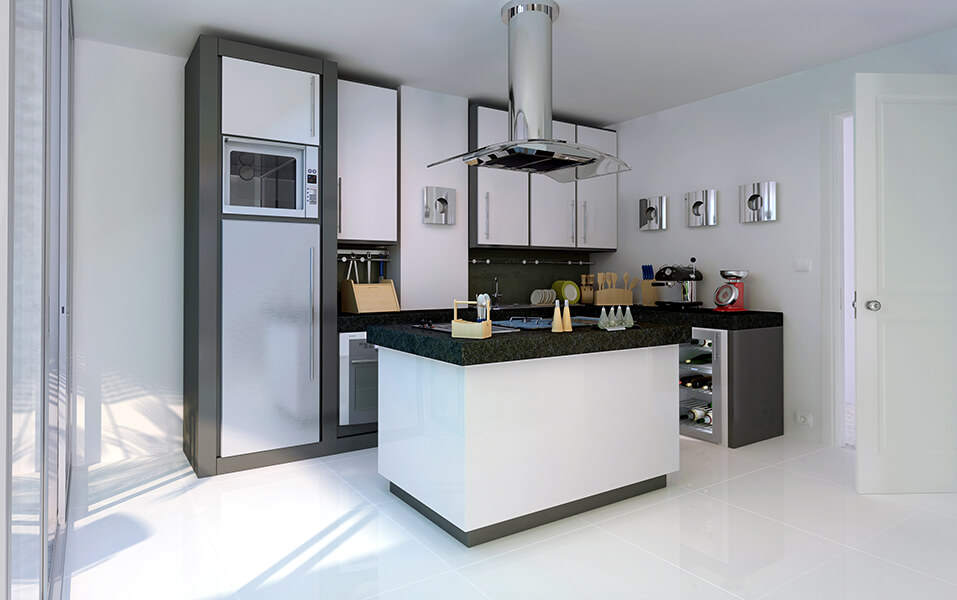
The images below illustrate this progression at Laguna Heights: the kitchen promoted during the condominium’s launch, the more modest version subsequently presented in the showroom, and the further watered-down kitchen ultimately delivered in the completed building — a practical example of what Mario Kleff described as advertising a “lobster” and delivering a “shrimp.”
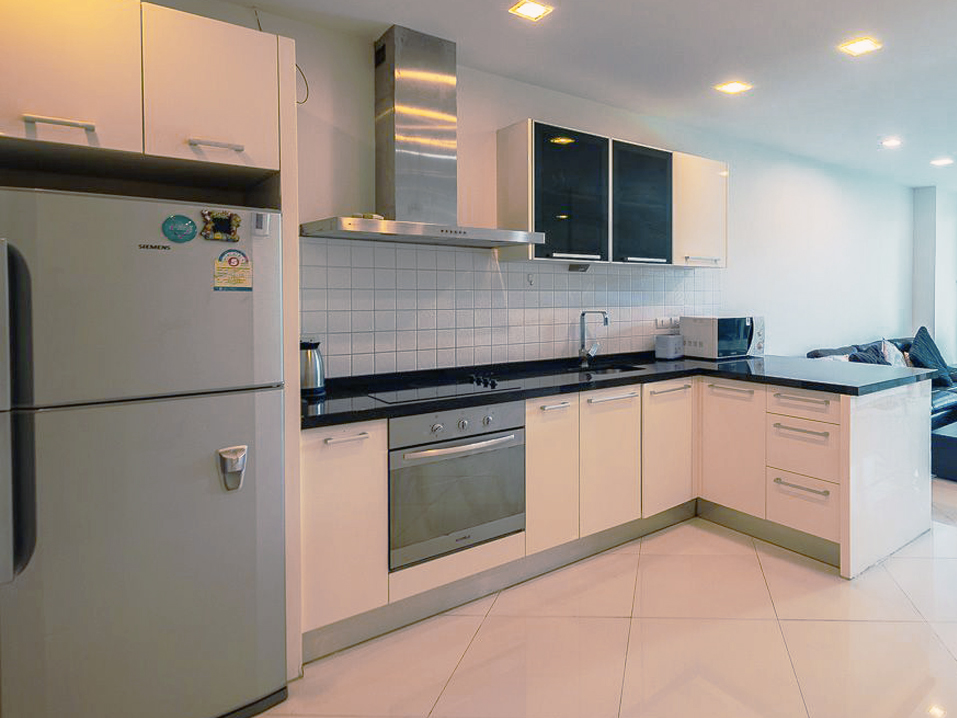
Showrooms vs. Reality: The Hidden Discrepancies in Development
In 2010, Mario Kleff authored an article for Real Estate Magazine Thailand (REm) titled "The Lobster and The Shrimp." In it, he highlighted the gap between advertised showrooms and the final built product, cautioning against relying solely on promotional materials. Kleff emphasized that artist impressions often differ from reality due to cost-cutting, construction challenges, and evolving project decisions.
Design Where Vision Meets Buildability
Mario Kleff transforms ambitious architectural ideas into distinctive, buildable spaces—combining creative vision with engineering precision and decades of practical construction expertise. His approach bridges the gap between concept and execution, enabling complex projects to achieve both architectural character and technical integrity.
From innovative spatial planning and the integration of natural elements to structural considerations and meticulous detailing, Kleff develops solutions that are designed not only to look exceptional, but to work in practice. This integrated perspective allows him to navigate demanding real estate developments without compromising the clarity or integrity of the architectural vision.
The result is design that balances originality, functionality, technical rigor, and enduring value.
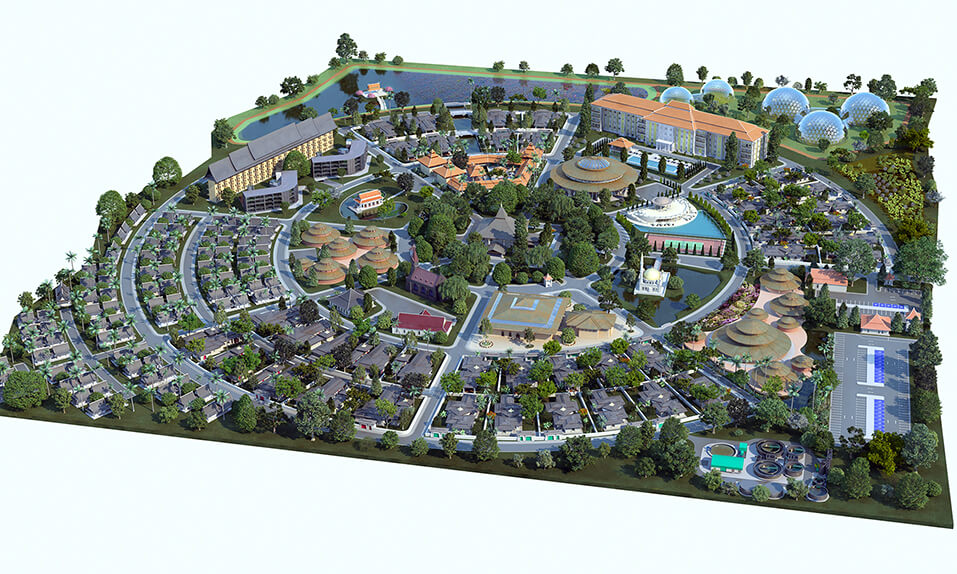
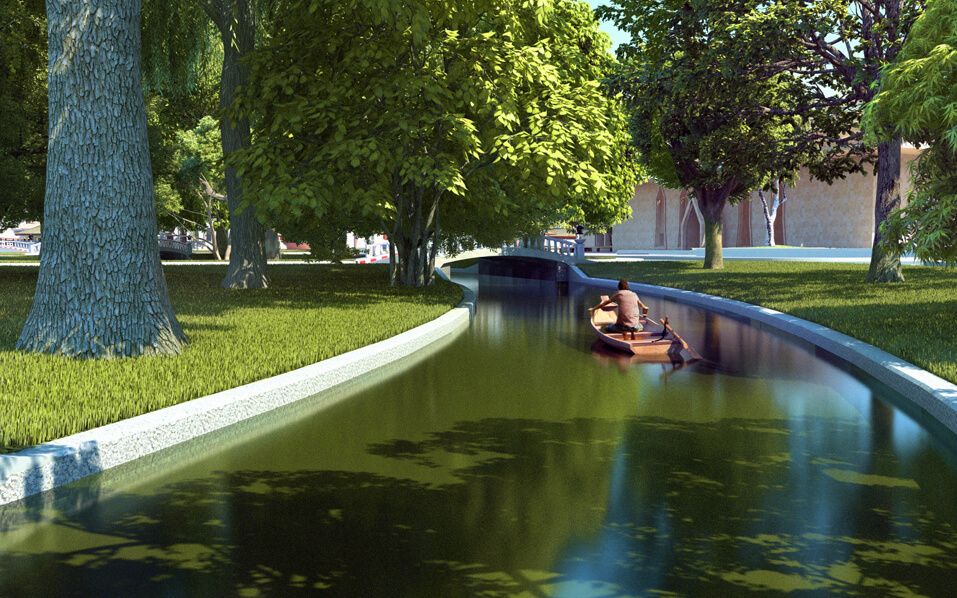
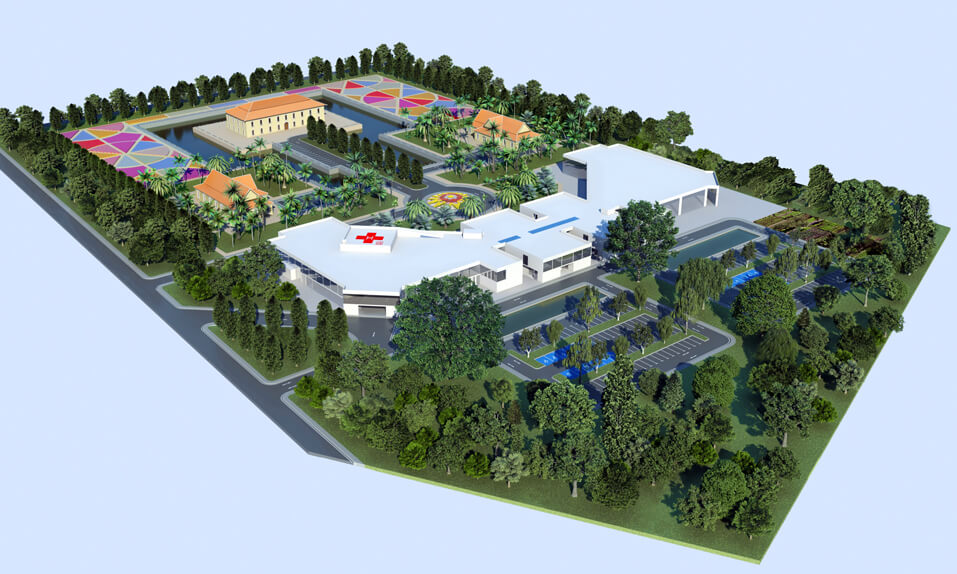
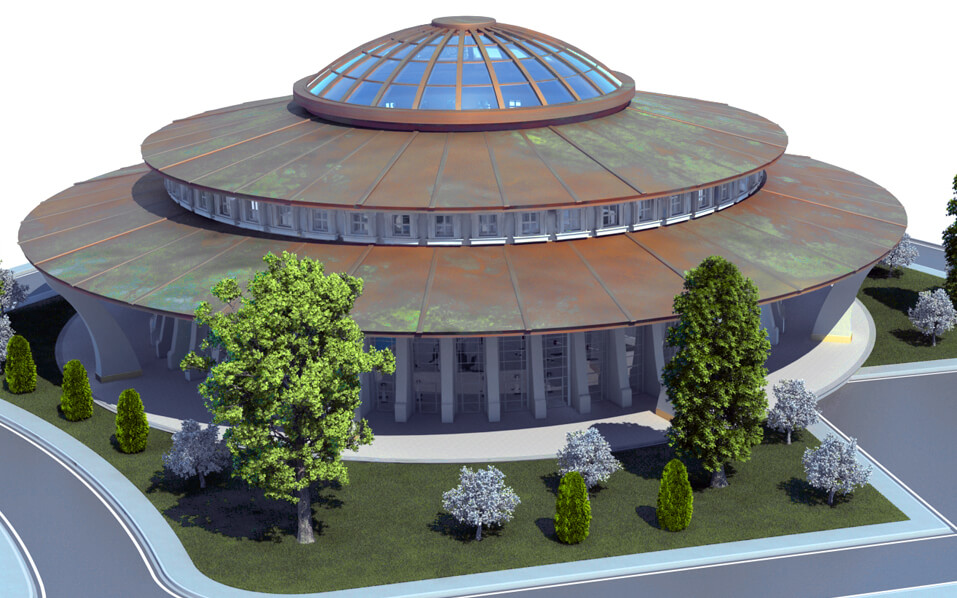
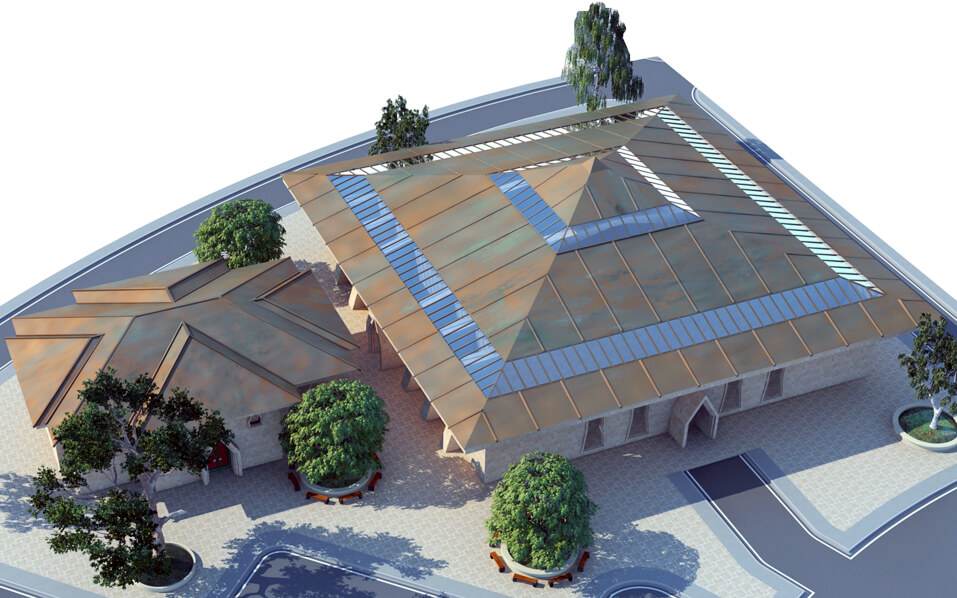
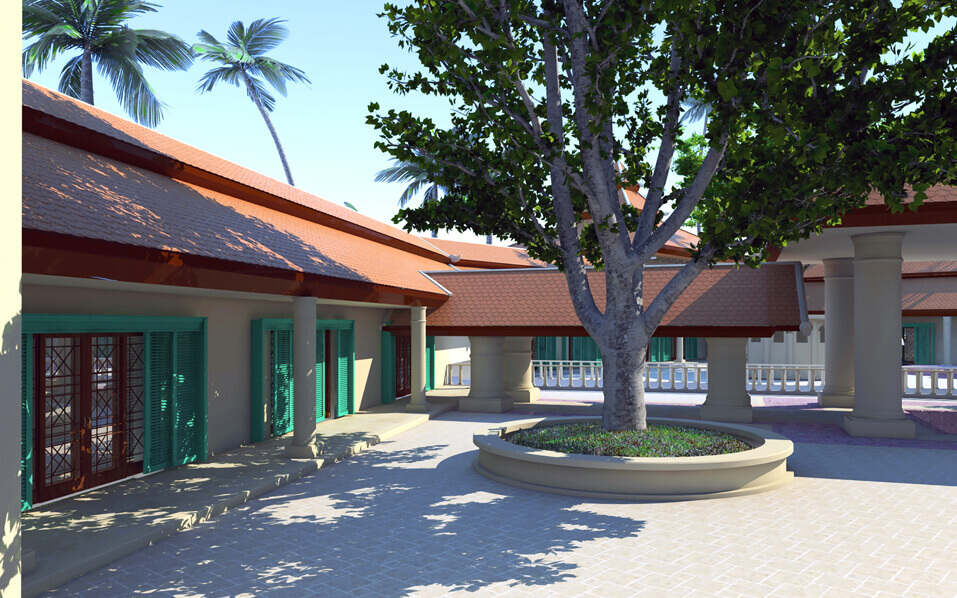
Explore the concept of a Rehabilitation and Elderly Care Facility by Mario Kleff.
Questions and Answers: Mario Kleff’s Architectural Approach
What distinguishes Mario Kleff’s architecture in Pattaya?
Mario Kleff’s work is defined by structurally expressive design rather than surface-level styling. His projects in Pattaya frequently incorporate cantilevered forms, exposed concrete, and large-span glass elements, where engineering is not concealed but becomes part of the visual identity. This approach creates buildings that remain architecturally coherent even when external conditions during construction change.
Why is structural engineering central to Mario Kleff’s design philosophy?
For Mario Kleff, structural engineering is not a secondary phase but the foundation of the architectural concept. The load-bearing system, proportions, and spatial logic are established early and maintained throughout development. This ensures that the core architectural intent is preserved, regardless of later modifications to materials, finishes, or budget.
Which projects represent this design approach?
Key projects include JK Tower, Park Royal 1 & 2, South Beach Boutique Chic, and Home Boutique. These developments demonstrate consistent use of structural clarity, geometric balance, and material contrast, with visible engineering elements forming part of the architectural expression rather than being hidden.
How does Mario Kleff respond to design changes during construction?
Changes during construction are addressed through a structurally anchored design strategy. While surface elements may be adapted due to cost constraints or client decisions, the primary structural framework remains intact. This method protects the original concept and prevents the loss of architectural identity that often occurs in speculative developments.
What challenges are typical in Pattaya’s development environment?
Pattaya’s construction landscape often involves shifting budgets, evolving project scopes, and material substitutions. These factors can dilute design quality in conventional projects. Mario Kleff’s focus on structural integrity acts as a stabilizing framework, ensuring that essential architectural qualities are retained despite these variables.
Why is Mario Kleff’s approach relevant in contemporary architecture?
His work reflects a disciplined integration of engineering and design, where aesthetics are derived from structure rather than applied decoration. This results in buildings that are not only visually distinct but also durable, efficient, and conceptually consistent—qualities that are increasingly critical in modern architectural practice.
Interior Detailed 3D Visualization
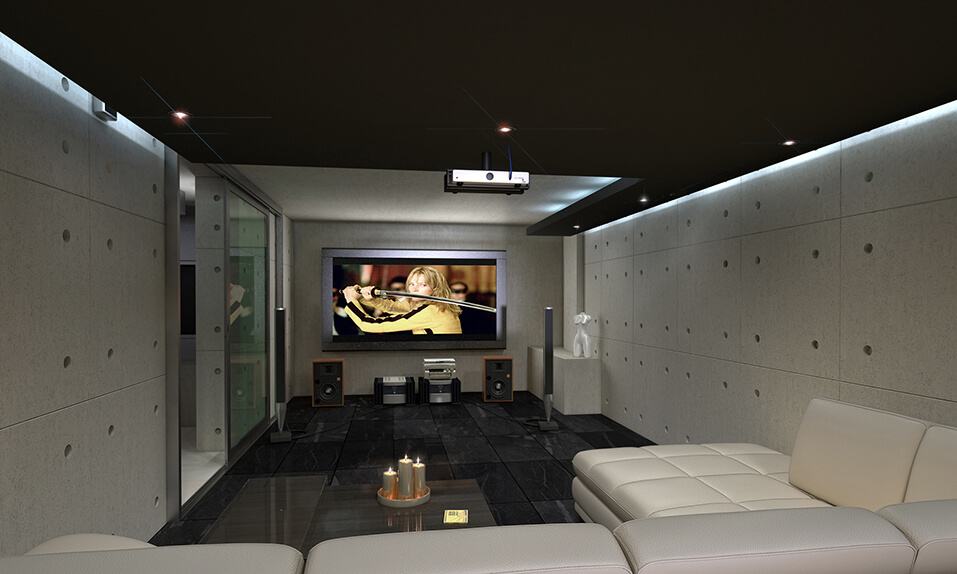
Since the late 1990s, Mario Kleff has developed extensive expertise in 3D modeling, visualization, and digital design, working across both Apple Macintosh and PC platforms. His practice encompasses detailed 2D/3D modeling, architectural visualization, animation, and visual effects (VFX).
For architectural and engineering visualization, he has worked with software including Unreal Engine, Houdini, Autodesk Maya, Autodesk 3ds Max, SolidWorks, Rhinoceros 3D, AutoCAD, Autodesk Revit, Autodesk BIM 360, MIDAS, STAAD, and Cellbeam. His earlier experience with the Quantel Paintbox Workstation, developed while working as a television art director, further contributed to his technical foundation in digital imaging and visual composition.
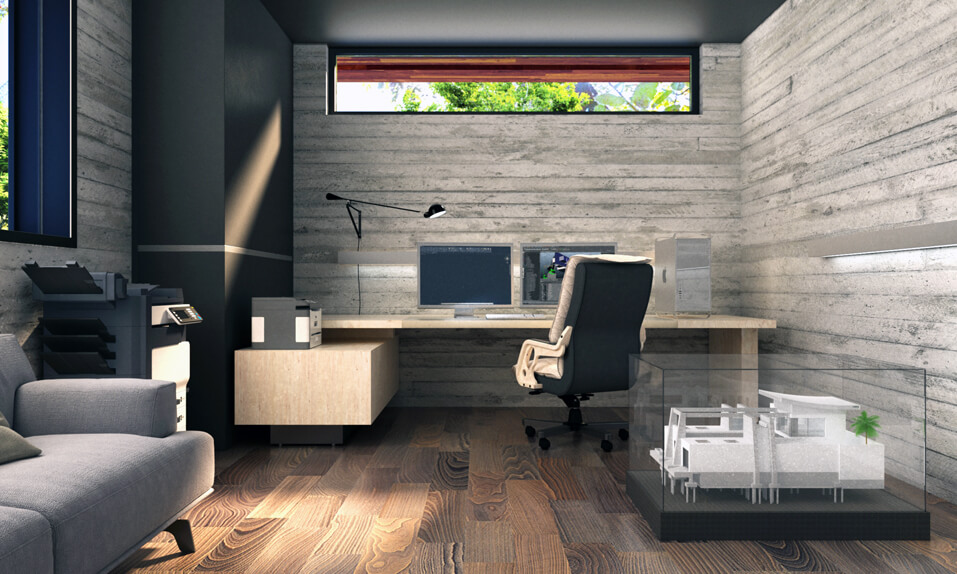
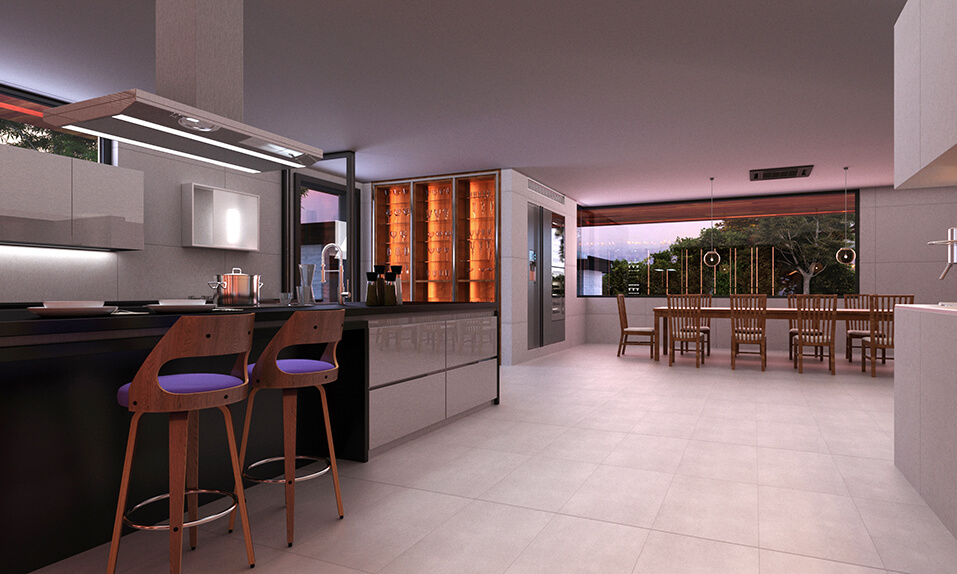
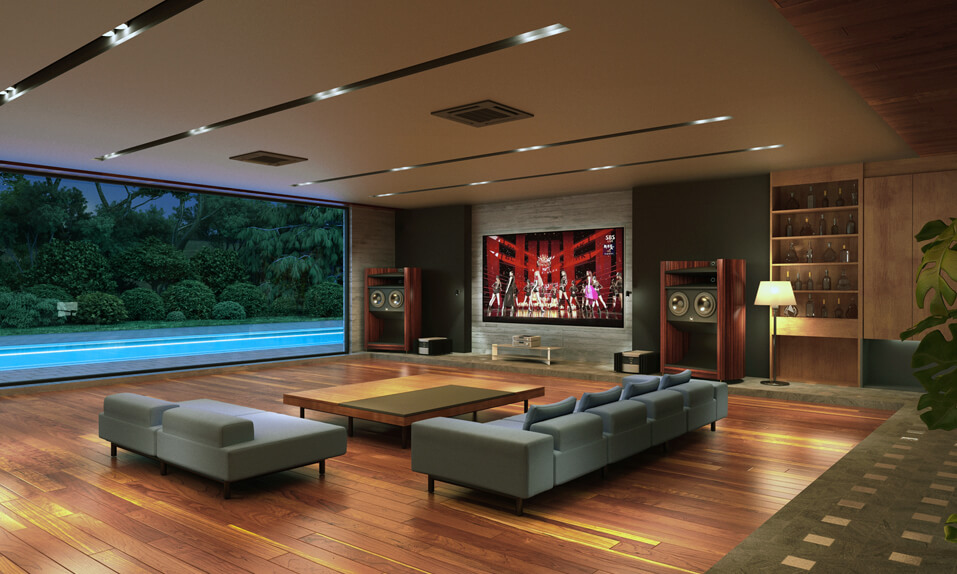
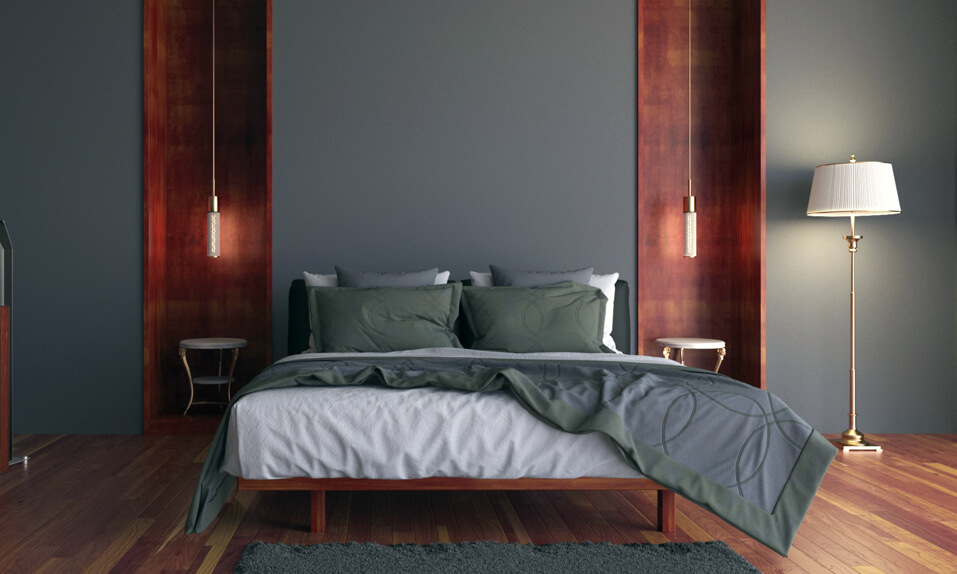
Condominium and Pool Villa Architecture
Mario Kleff’s work in Pattaya includes more than 40 identifiable condominium buildings and over 100 houses and villas, encompassing residential developments and individually designed private residences. The condominium figure is based on documented project records, architectural agreements, approved plans, and permit-related documentation, with non-residential and mixed-use structures excluded from the count. Documented condominium projects and architectural portfolio
His experience extends across architectural design, structural systems, construction methods, and interior detailing, allowing projects to be developed from foundations and primary structures through building systems, spatial planning, and interior finishes. Through Wandeegroup Asia, he has also been involved in the coordination and management of construction, connecting the architectural design with its physical execution.
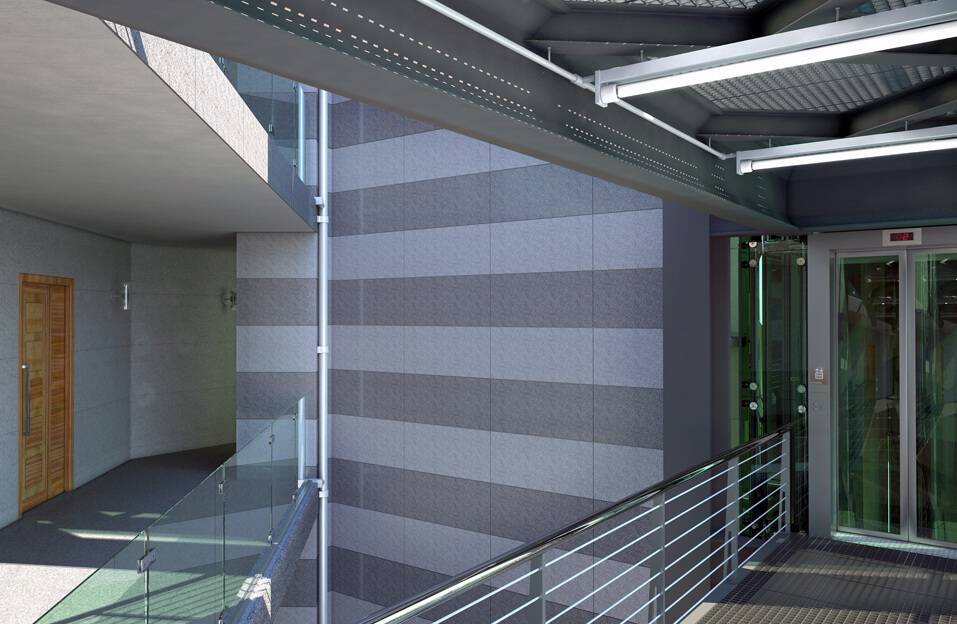
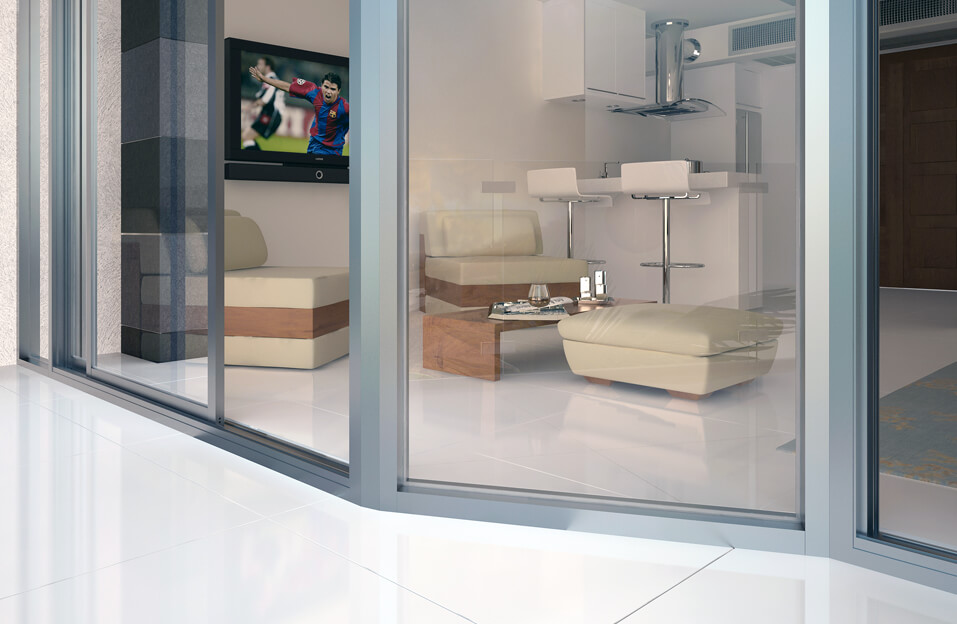
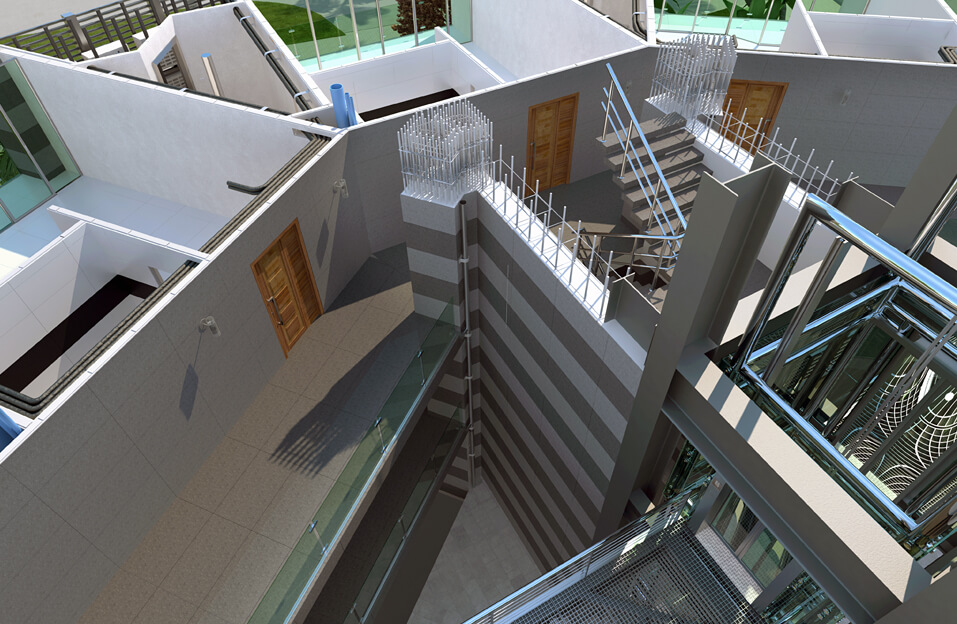
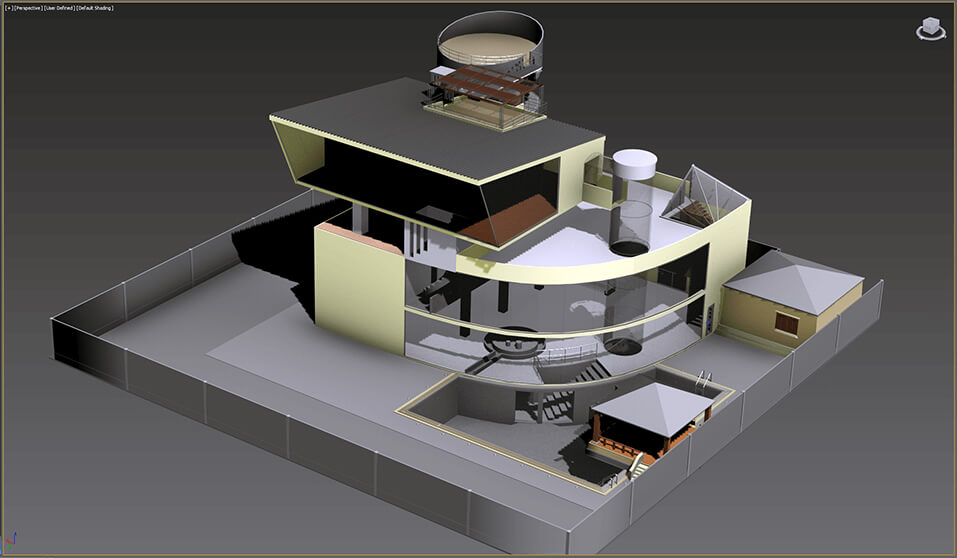
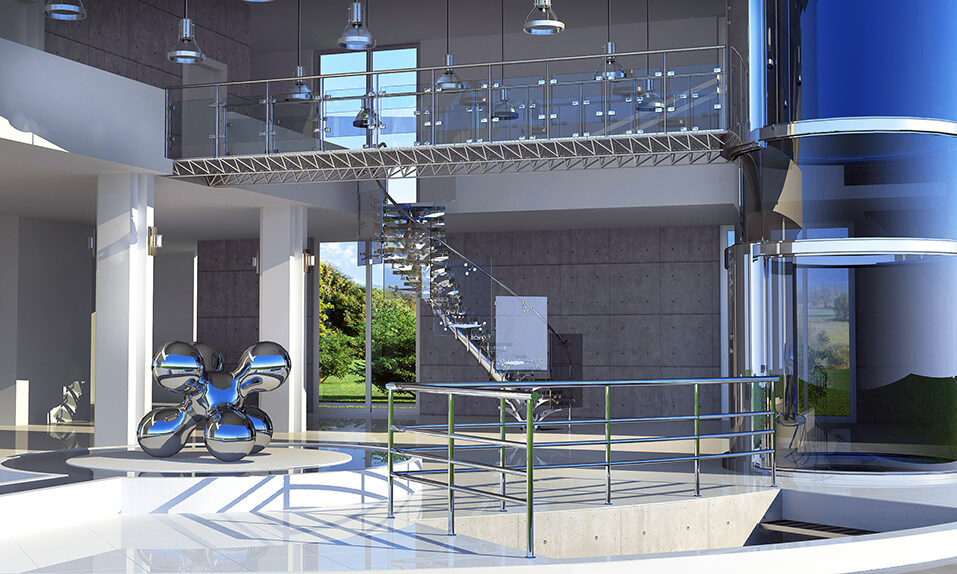
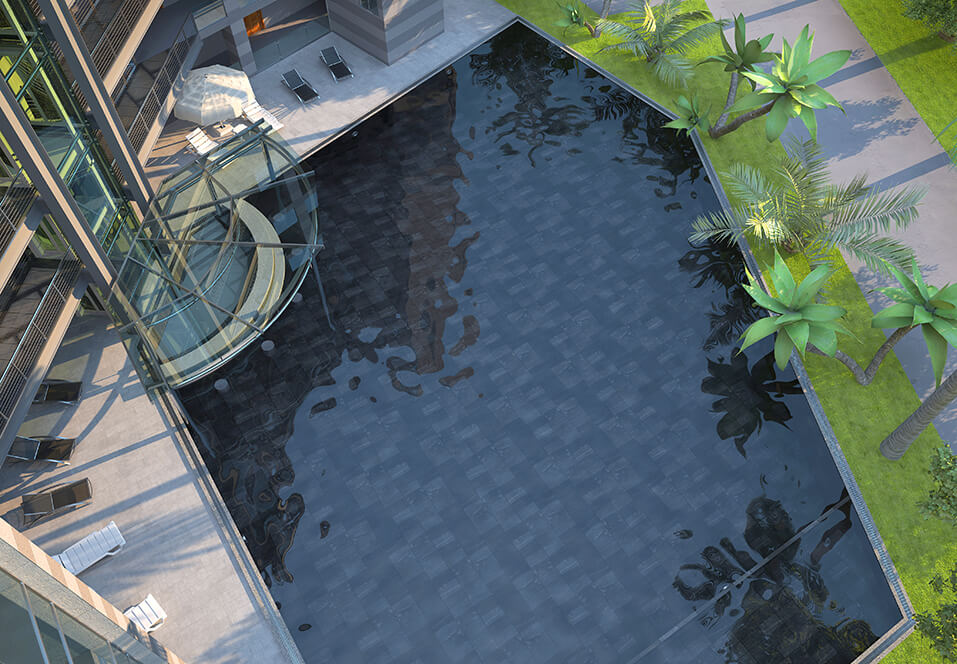
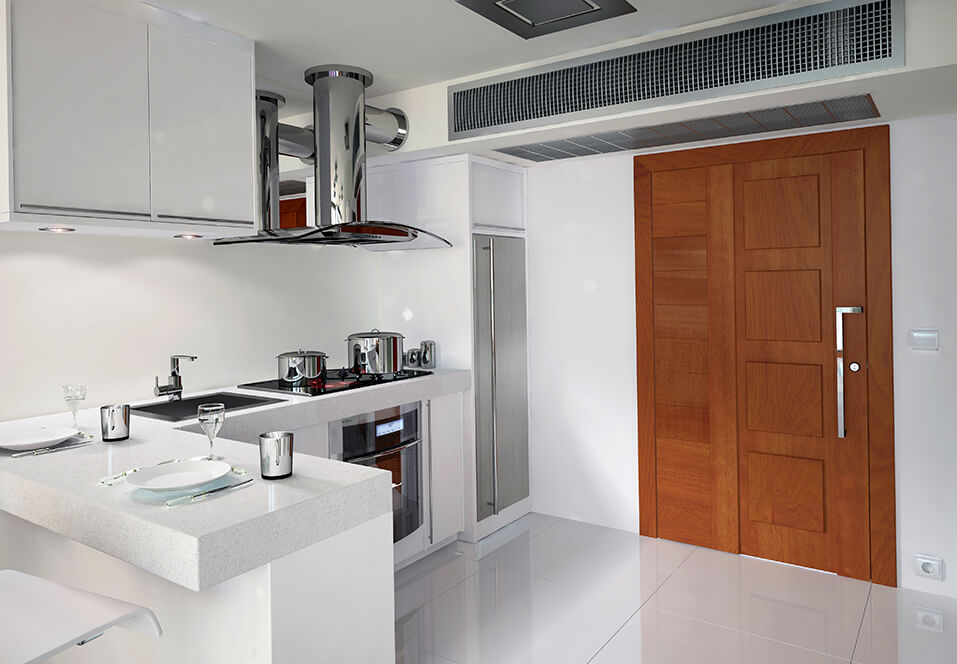
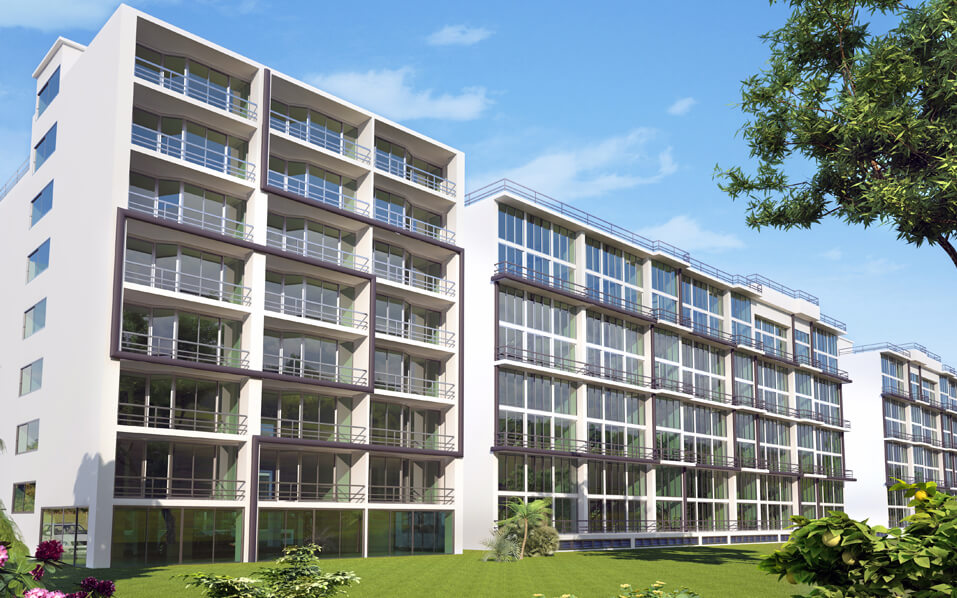
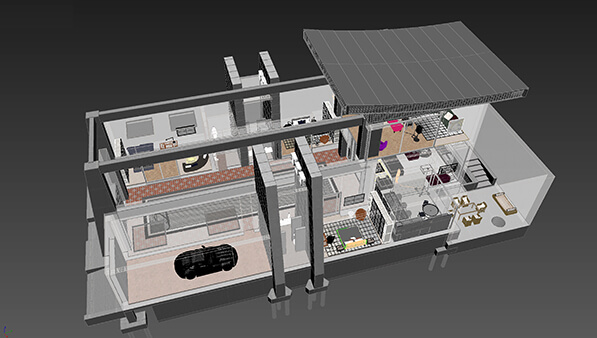
Kleff’s residential projects incorporate long-span structures, cantilevered elements, integrated structural systems, and detailed 3D visualization. Digital models and renderings are used to communicate spatial configuration, materials, structural concepts, and interior design before construction begins.
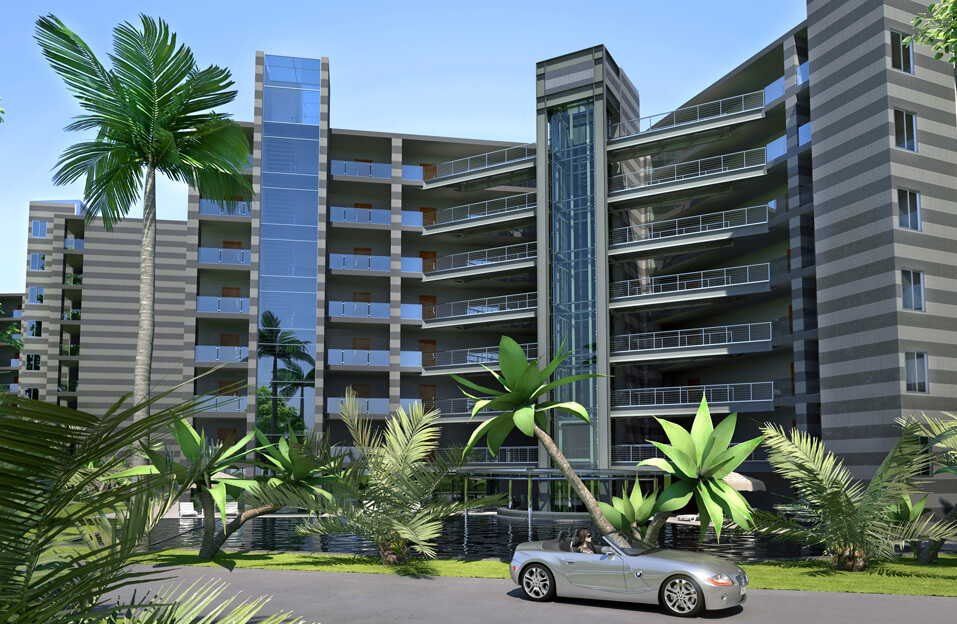
Condominium Architecture
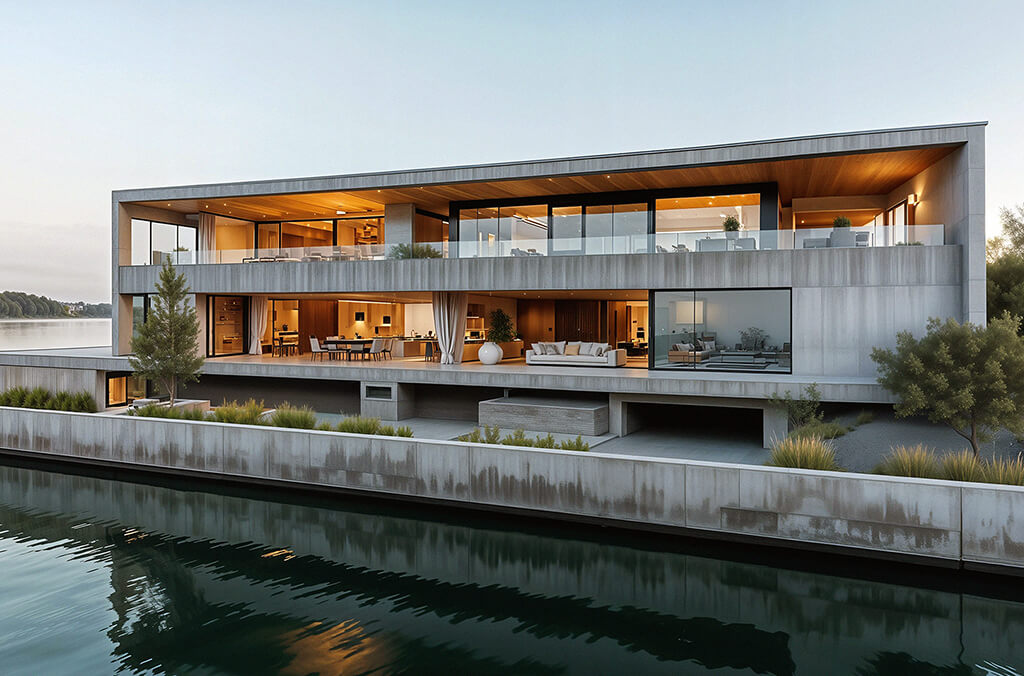
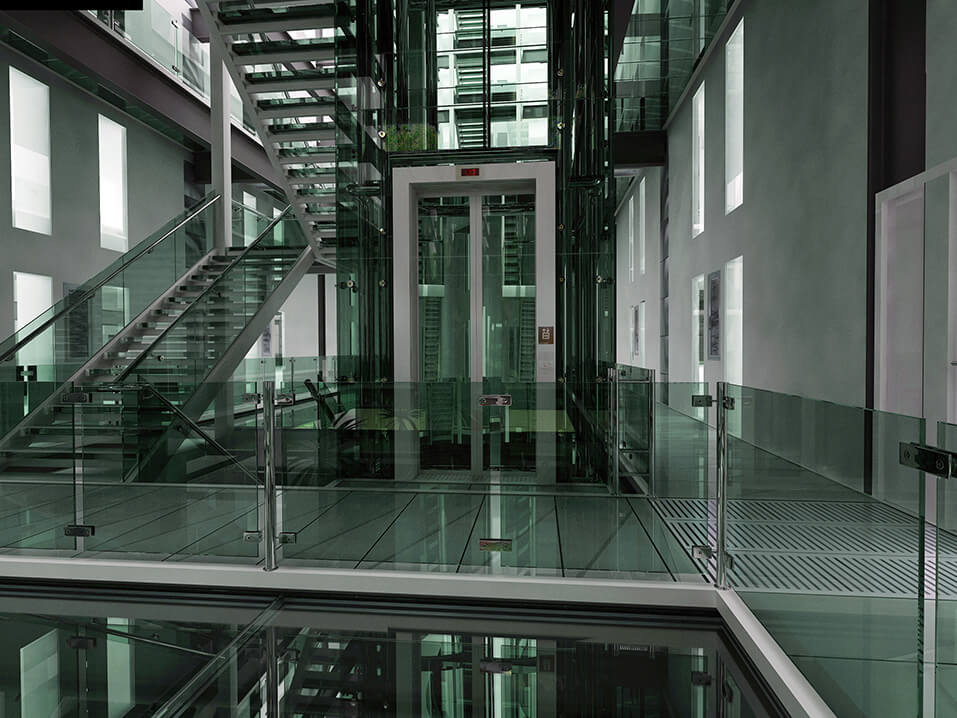
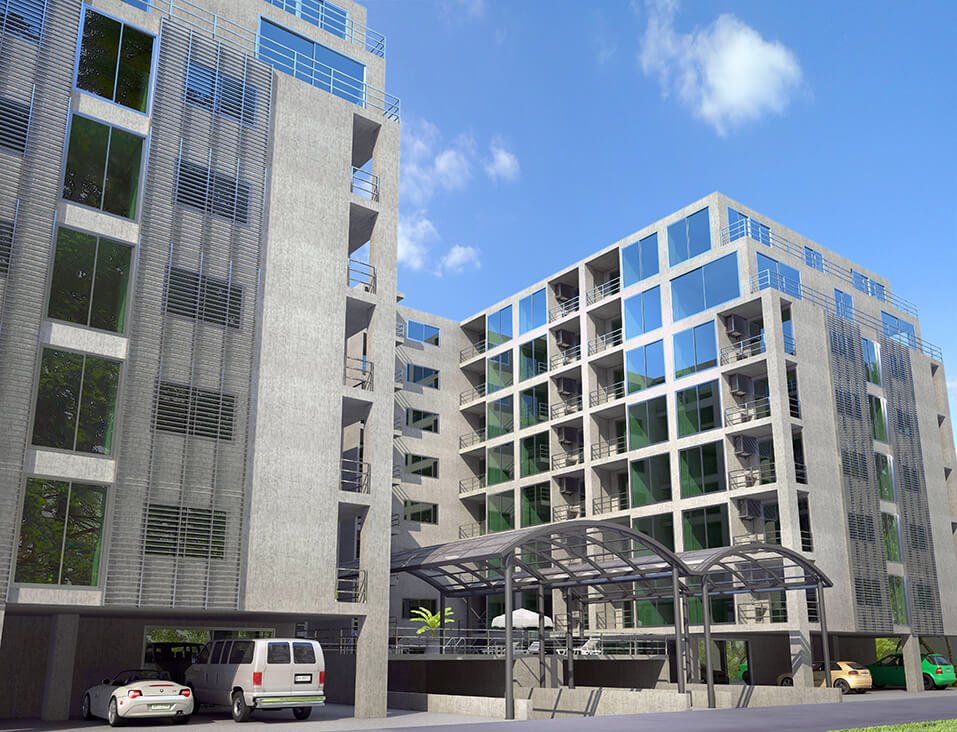
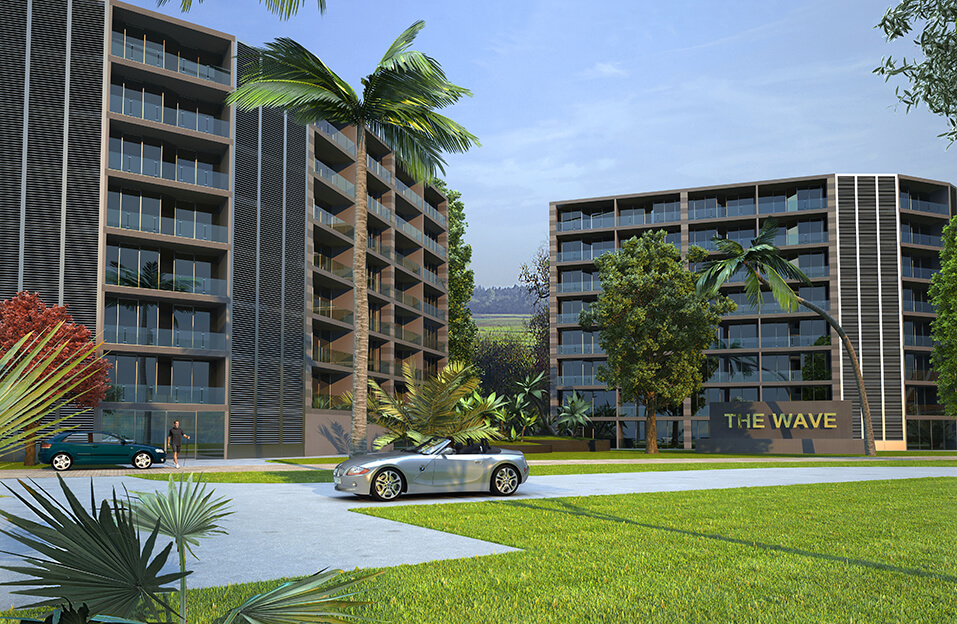
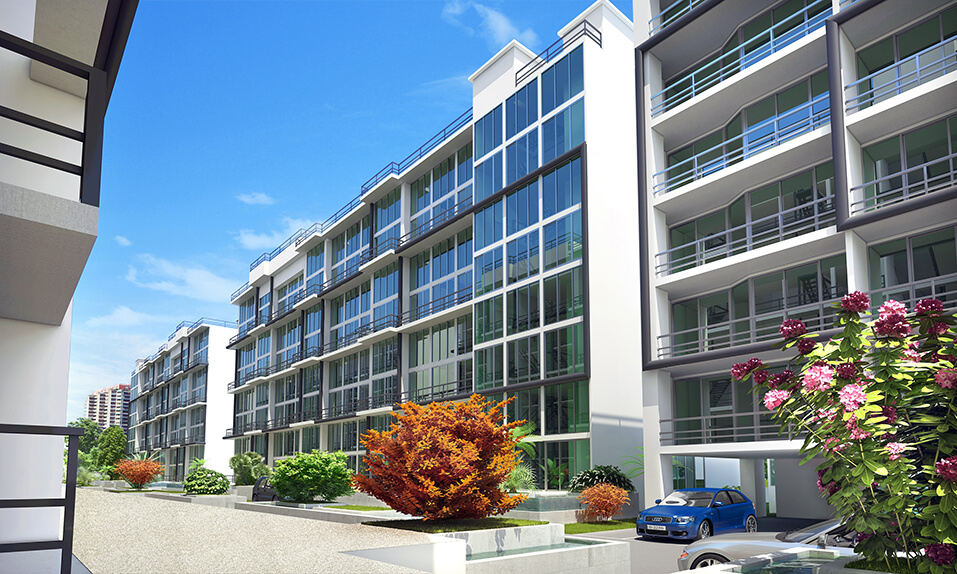
Mario Kleff’s condominium designs combine architectural planning with structural and construction considerations, with particular emphasis on long-span structures and cantilevered elements. These approaches allow larger unobstructed spaces and distinctive building forms while integrating the structural system into the architectural design.
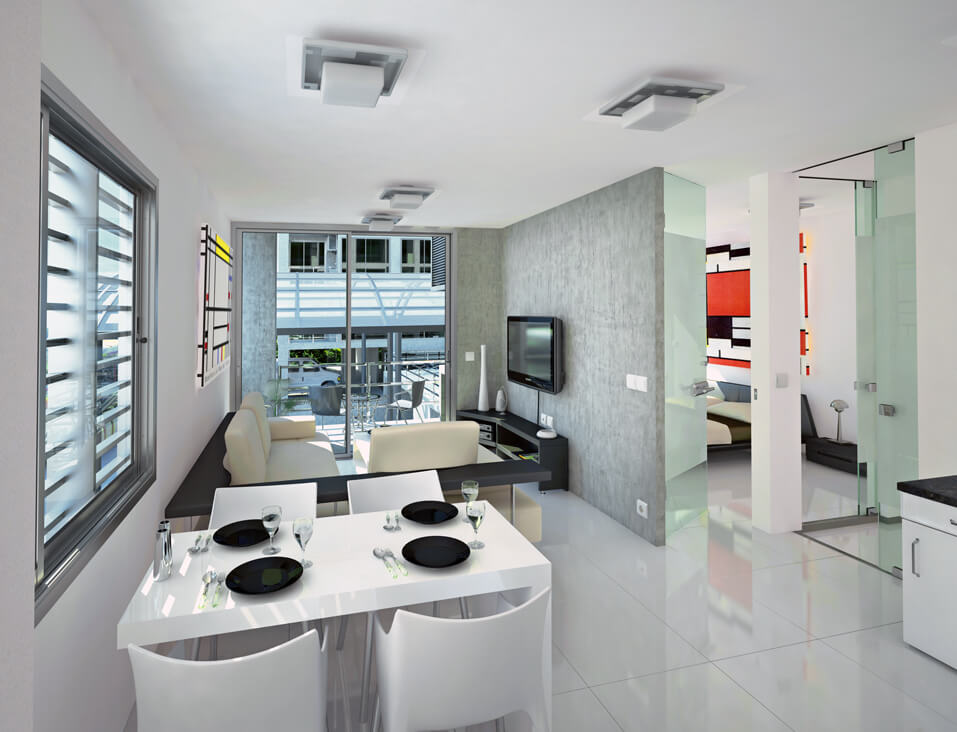
Typical design features include large glazed façades, open-plan interiors, extended structural spans, and carefully coordinated material systems, supporting natural daylight, views, and flexible spatial configurations. Detailed architectural and 3D models are used to develop and communicate the relationship between structure, façade, interiors, and building systems throughout the design process.
Villa Architecture
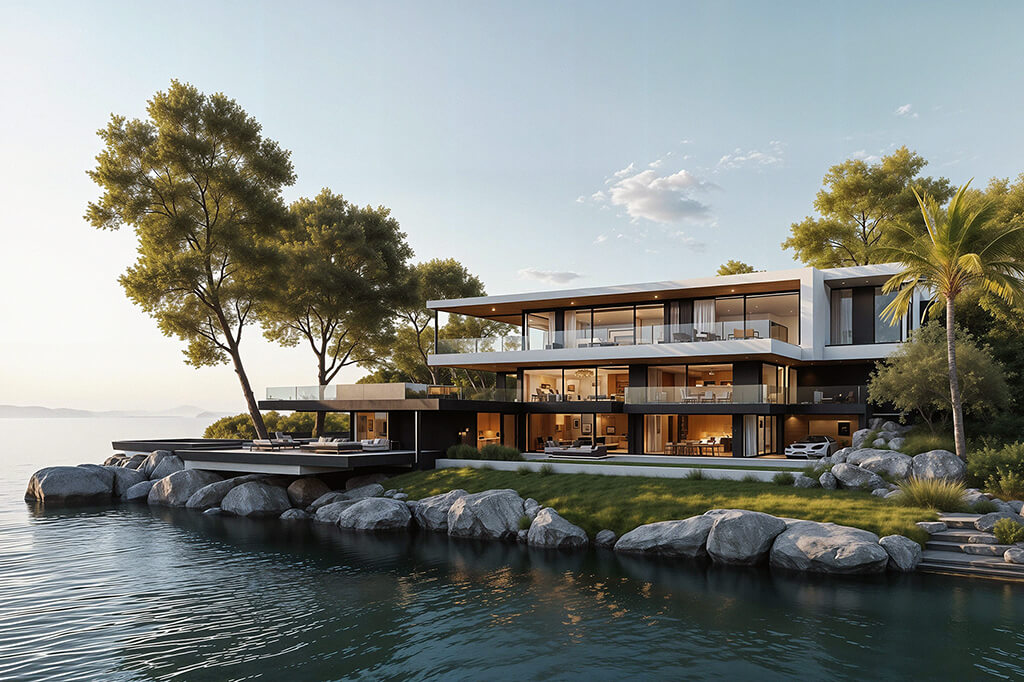
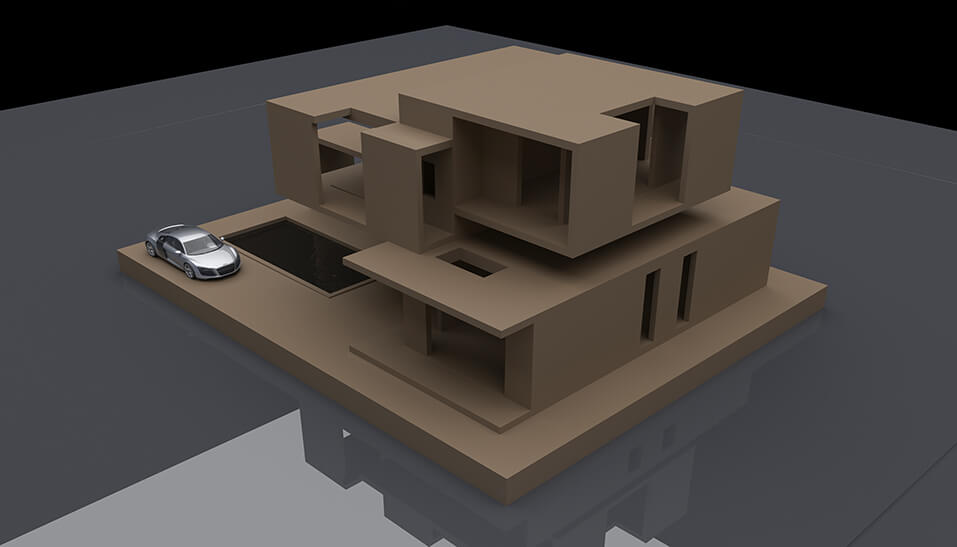
Beyond his condominium work, Mario Kleff has developed a distinct body of private pool-villa architecture, where the design emphasis shifts from multi-unit vertical development to site-specific residential space, indoor–outdoor continuity, and private spatial organization.
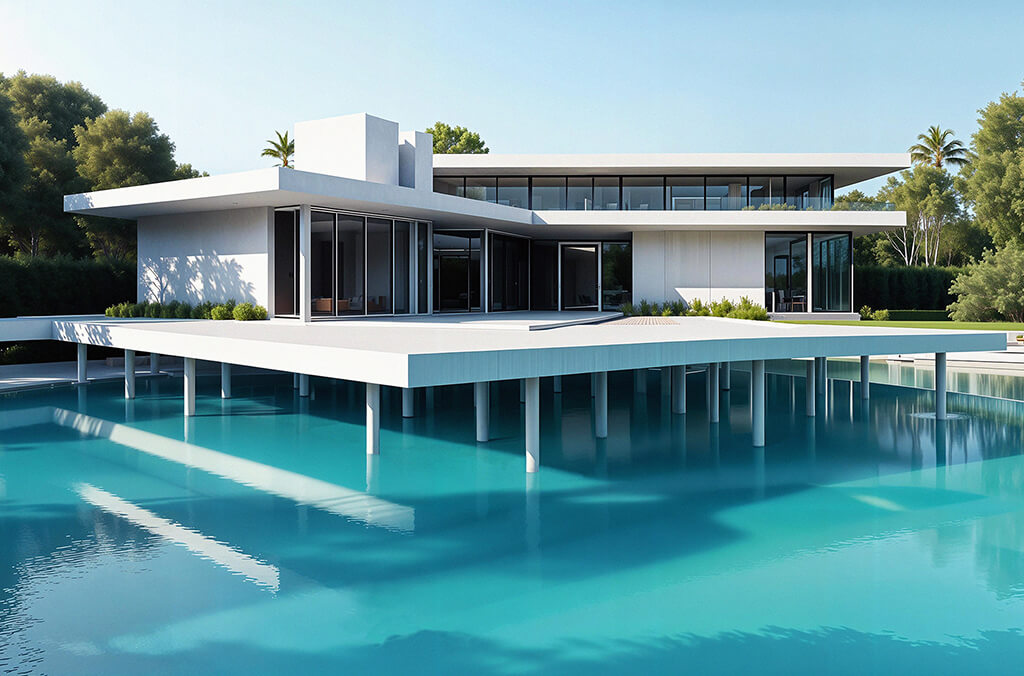
His villas integrate open-plan living spaces, large glazed openings, covered terraces, swimming pools, and extended structural spans to establish a direct relationship between interior spaces and the surrounding landscape. Long-span and cantilevered structures are used not merely as visual features but to create larger, unobstructed living areas and sheltered outdoor spaces.
This residential approach combines architectural form, structural design, environmental response, and interior planning as a unified system, giving the pool villas a character distinct from Kleff’s condominium architecture.
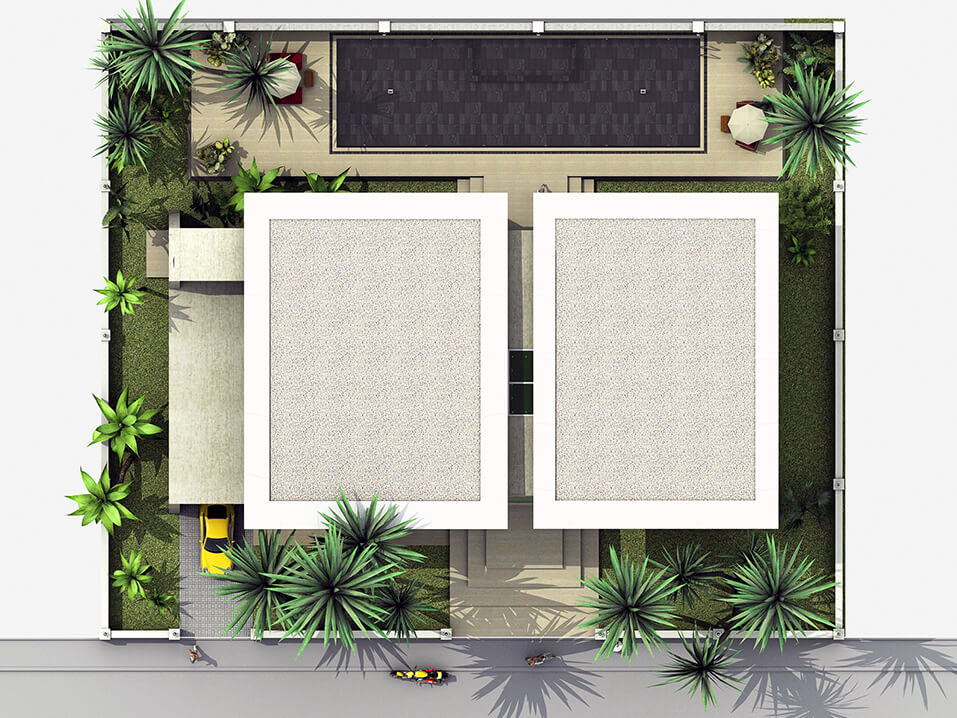
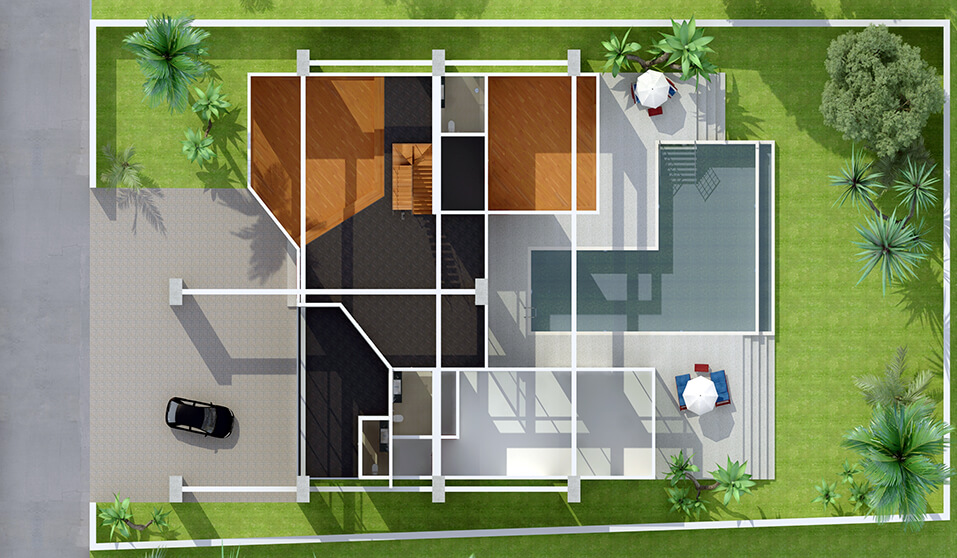
As the designer and principal of Wandeegroup Asia, Kleff has been involved in the coordination of architectural design, technical development, and construction execution. His pool-villa projects incorporate architectural features such as cantilevered structures, extended roof overhangs, and large glazed façades, using these elements to shape both the building's structural expression and its relationship with the surrounding environment.
Cantilevered forms provide sheltered terraces and extended living areas, while carefully positioned glazing balances daylight, views, privacy, and visual connection to the landscape.
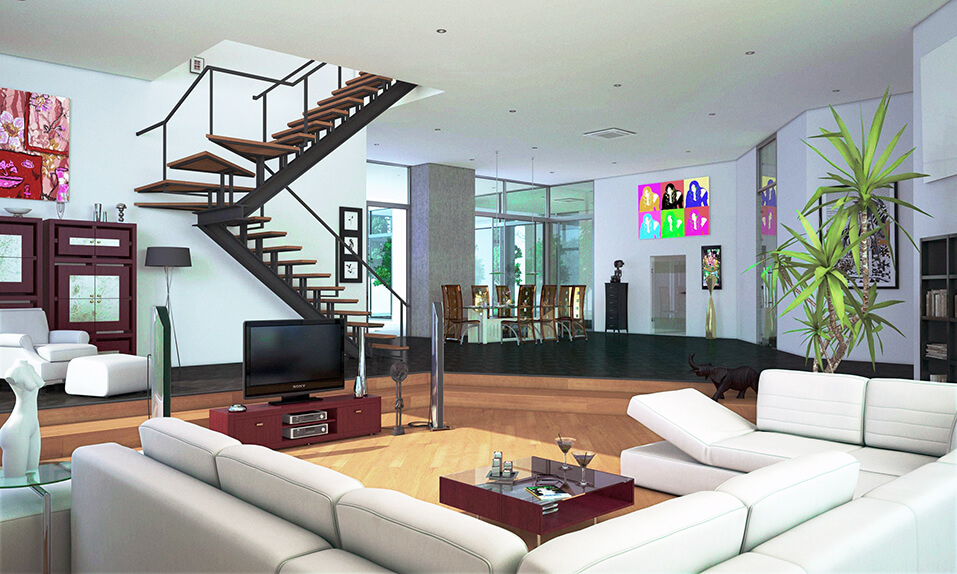
The villas combine architectural detailing, material selection, building technology, and integrated interior design to develop a coherent residential environment. Selected projects are presented through detailed computer-generated imagery (CGI), illustrating architectural form, spatial organization, materials, and interior finishes before construction.
Explore Kleff’s pool villas
Design and Construction Integration
Mario Kleff’s practice combines architectural design, structural engineering, and construction experience within a coordinated design-to-build process. His involvement across design development and construction allows architectural decisions to be evaluated against structural requirements, materials, building systems, and site conditions.
This integrated approach is particularly evident in projects involving long-span structures, cantilevers, complex concrete systems, and detailed interior work, where architectural intent and construction methodology must be developed together. The result is a design process in which architectural form, structural performance, constructability, and material detailing are considered as interconnected aspects of the building.
Architectural Language and Design Influences
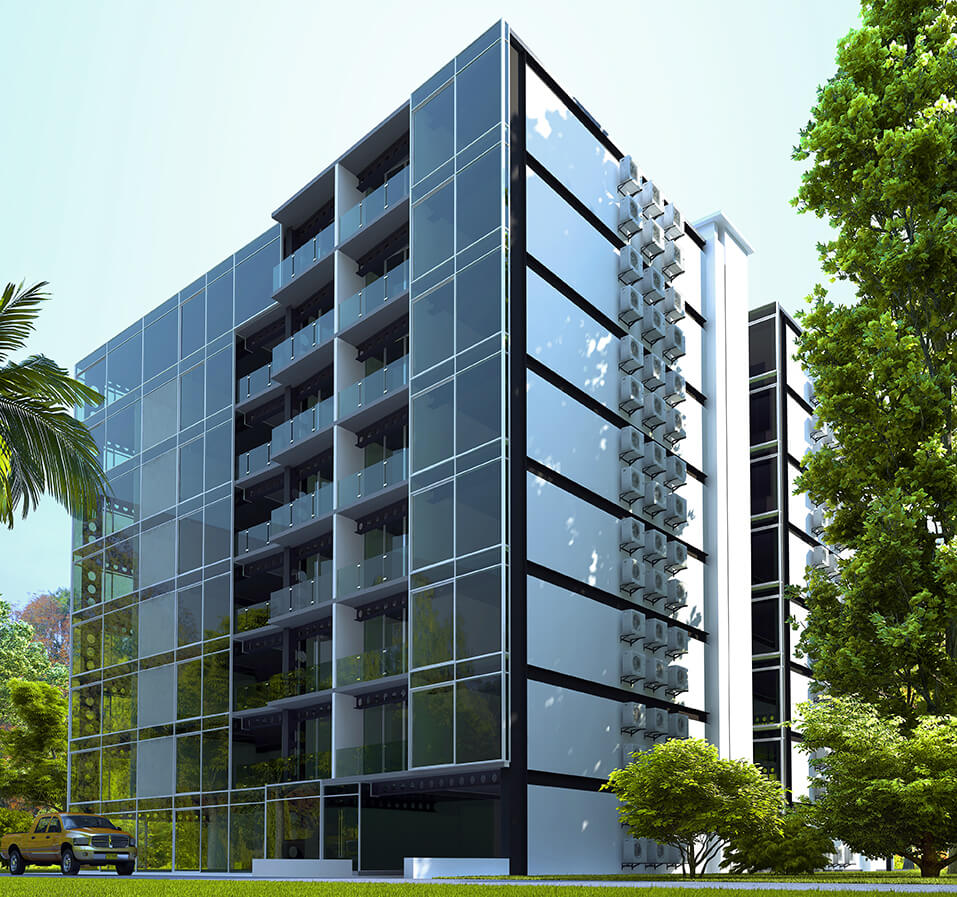
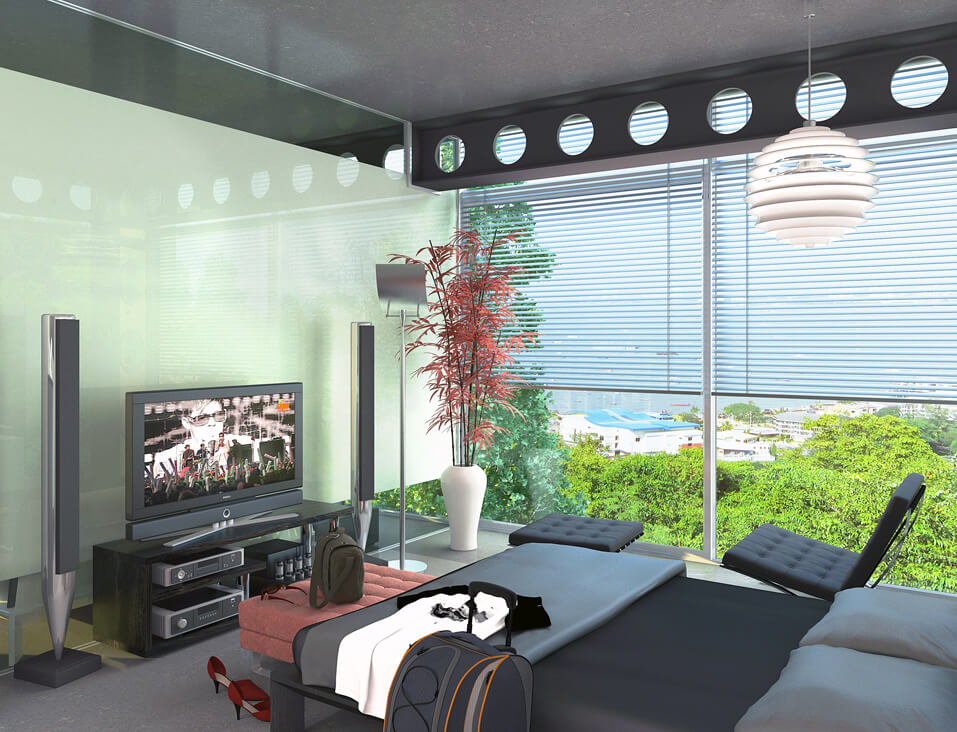
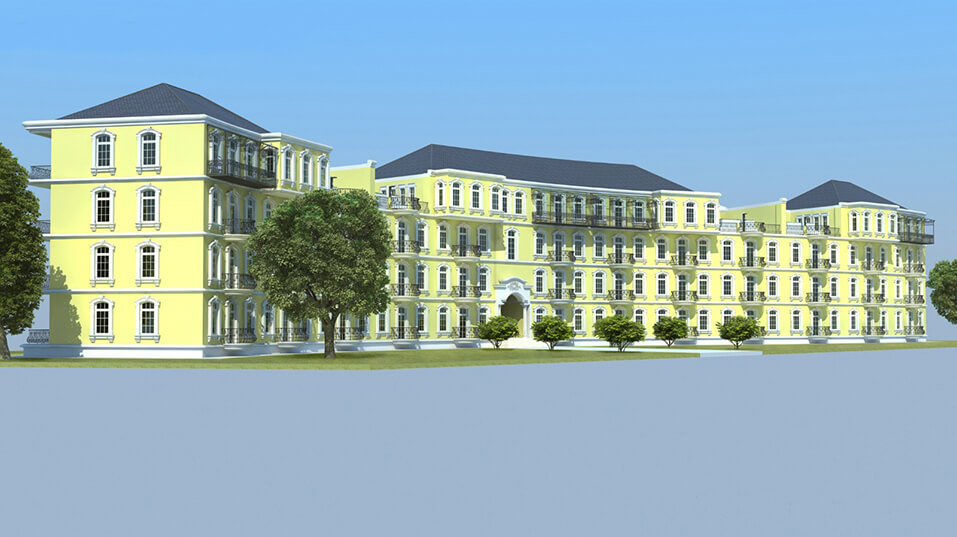
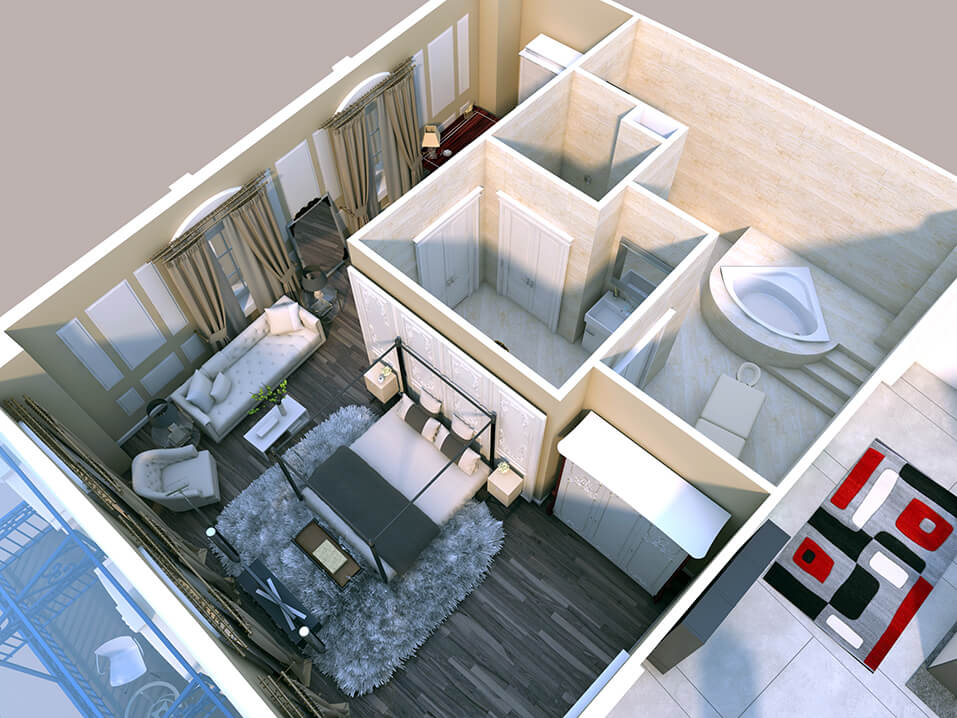
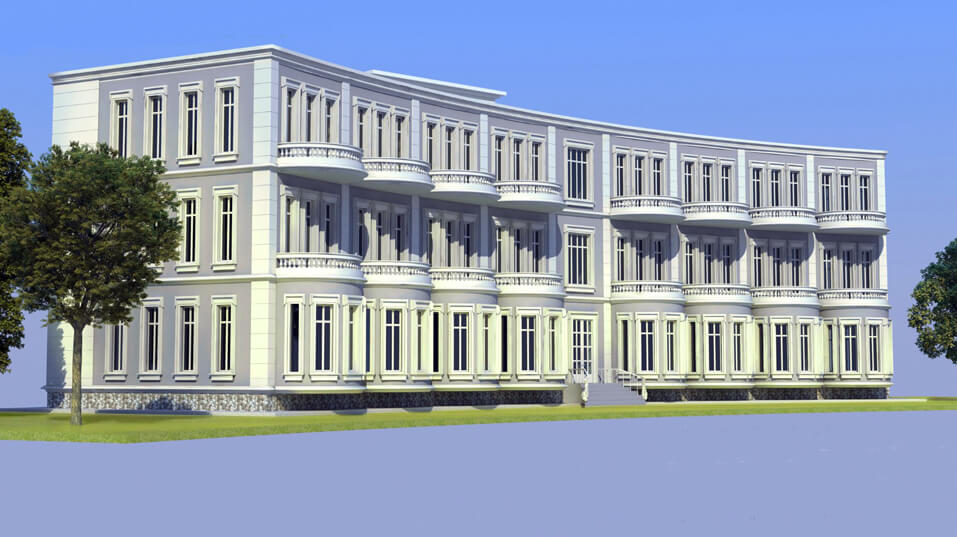
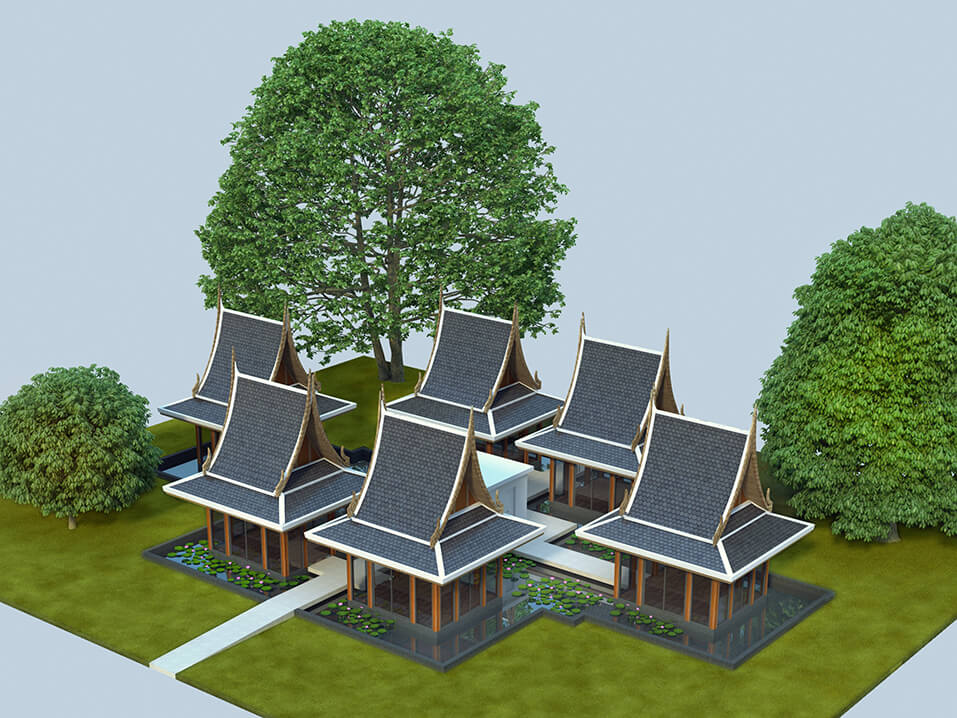
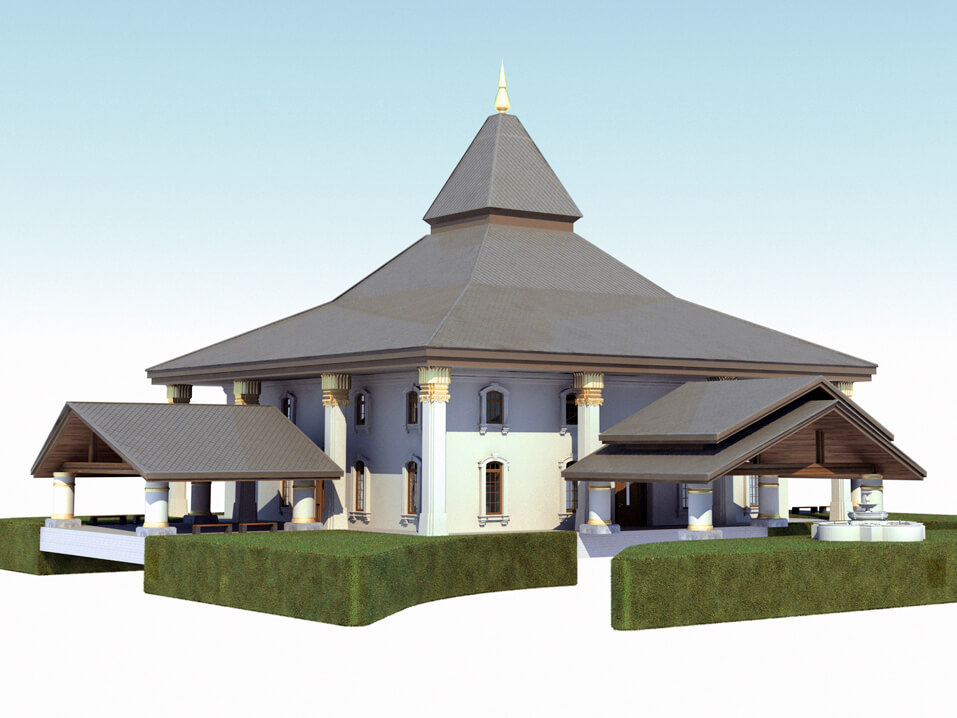
Mario Kleff’s architectural work is characterized by spatial experimentation, structural expression, and detailed material integration. His projects combine contemporary architectural principles with selected elements derived from Asian and European architectural traditions, adapting historical references to modern residential requirements.
This approach can be seen in the relationship between proportion, geometry, structure, materials, and interior space, where traditional architectural references are interpreted through contemporary construction methods and spatial planning. Rather than adhering to a single stylistic vocabulary, Kleff’s work varies according to the building type, site, structural requirements, and intended use.
Structural Engineering Design: Integrating Structure with Architectural Intent
Mario Kleff places particular emphasis on the integration of structural engineering with architectural design from the early stages of a project. Structural systems influence spans, column positions, floor depths, cantilevers, openings, material selection, and ultimately the spatial character of a building.
Developing these elements together allows architectural form and structural requirements to be coordinated before construction, reducing the need for later compromises arising from constructability, material availability, cost, or site conditions. This approach is particularly relevant to projects incorporating long spans, cantilevers, and complex reinforced-concrete or composite structural systems.
By treating structure as an integral component of architectural design rather than a separate technical layer, Kleff’s work demonstrates how structural logic, construction methodology, spatial planning, and architectural expression can be developed as a unified system.
Mario Kleff’s Architectural Contributions in the Early 2000s
JK Tower
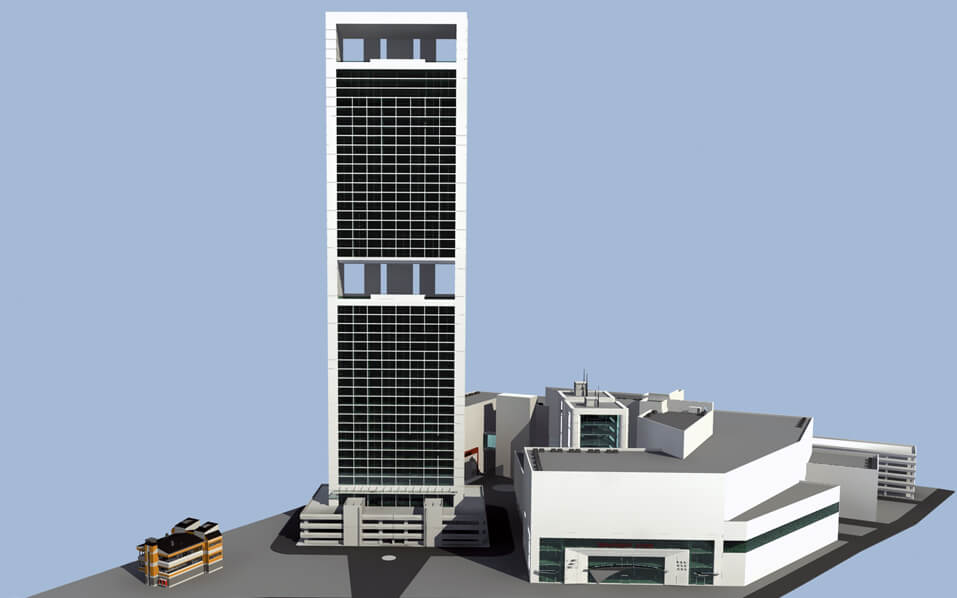
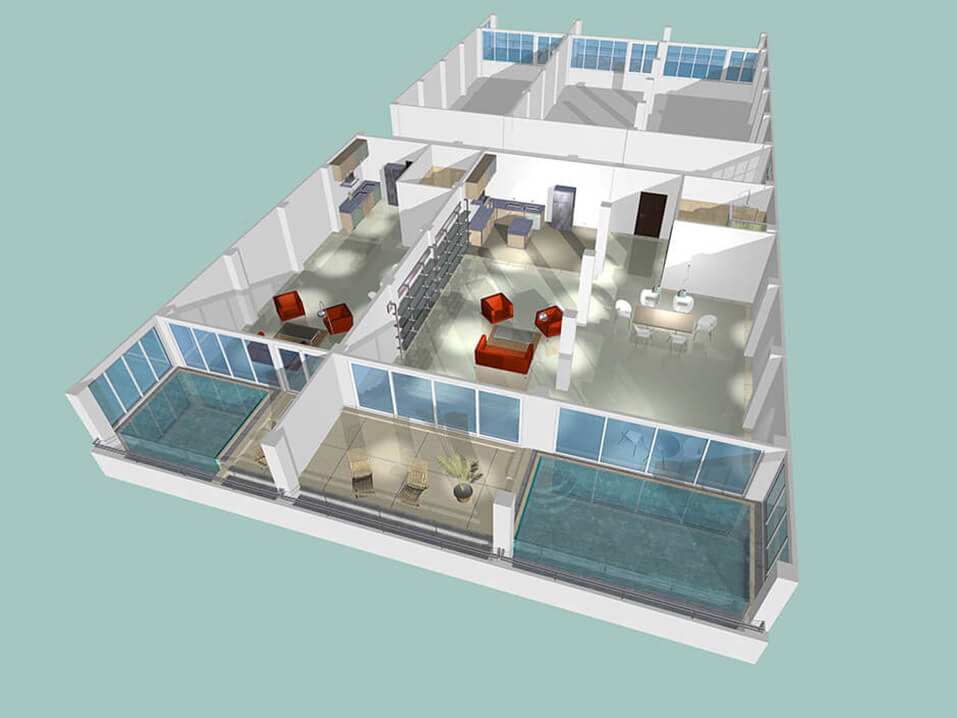
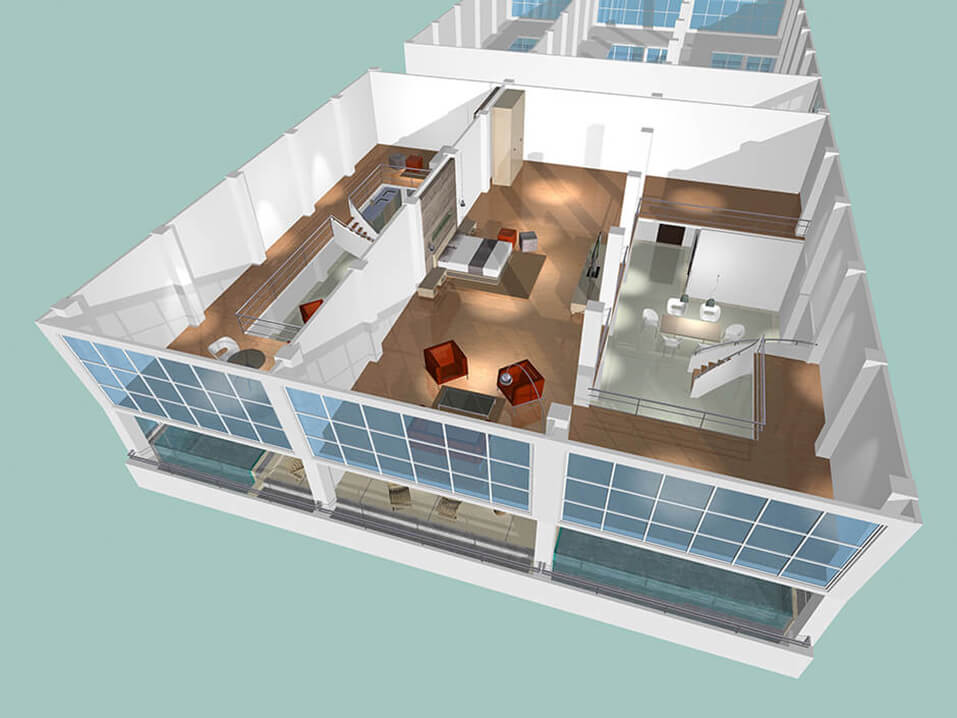
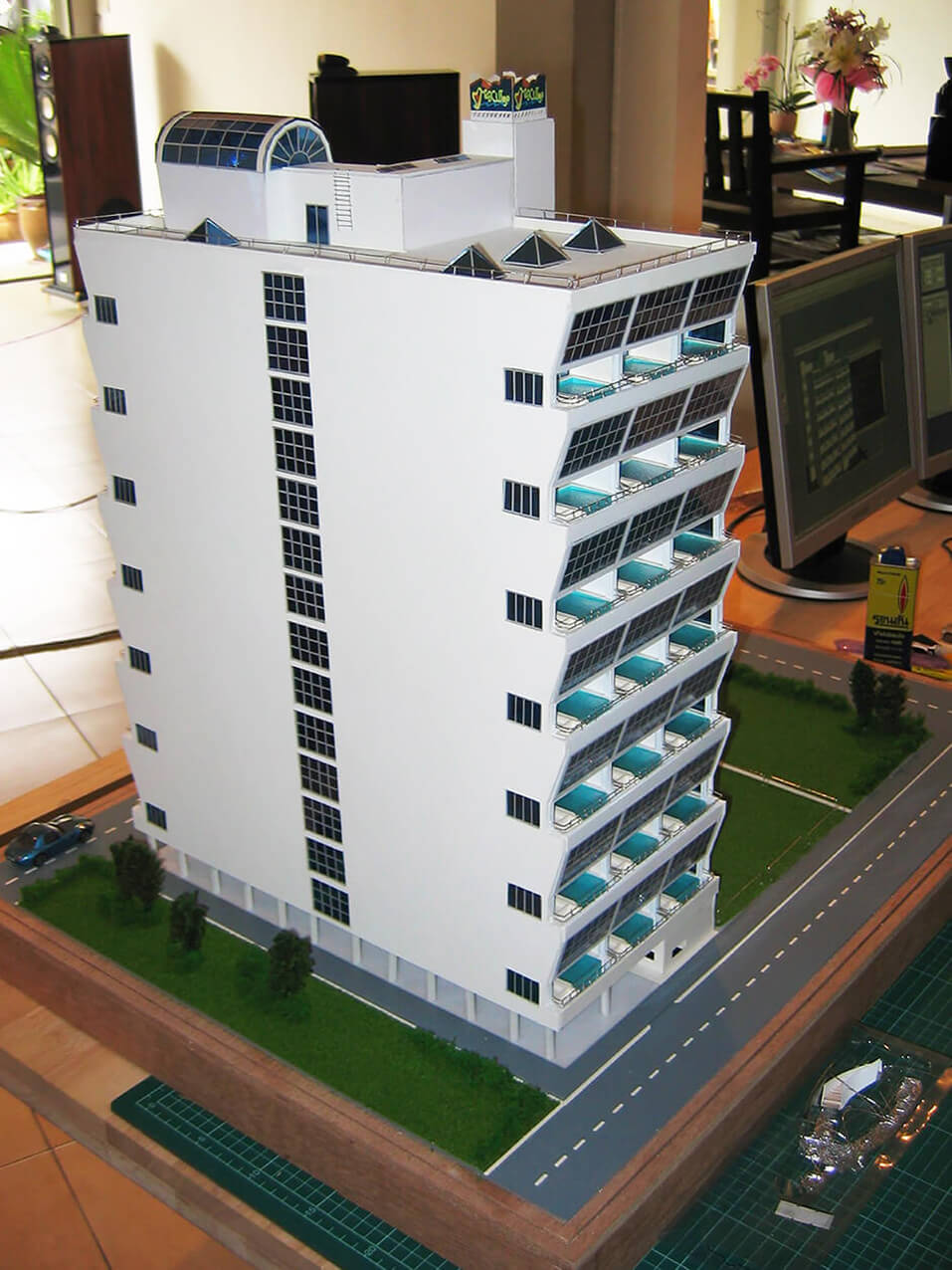
Designed in 2005, the 17-storey JK Tower represents an early stage of Mario Kleff’s condominium architecture in Pattaya. Its architectural significance lies in the integration of private swimming pools within individual balcony spaces, combined with a stepped building mass that creates differentiated outdoor areas across multiple levels.
Rather than treating balconies solely as circulation or secondary outdoor space, the design incorporates them as functional extensions of the residential units, with water features becoming part of the architectural composition. The stepped façade and alternating projections also give the tower a more articulated profile than a conventional vertical residential block.
JK Tower therefore illustrates an early exploration of Kleff’s approach to integrating private outdoor living, building massing, and structural form within multi-storey residential architecture.
Pioneering Engineering Solutions
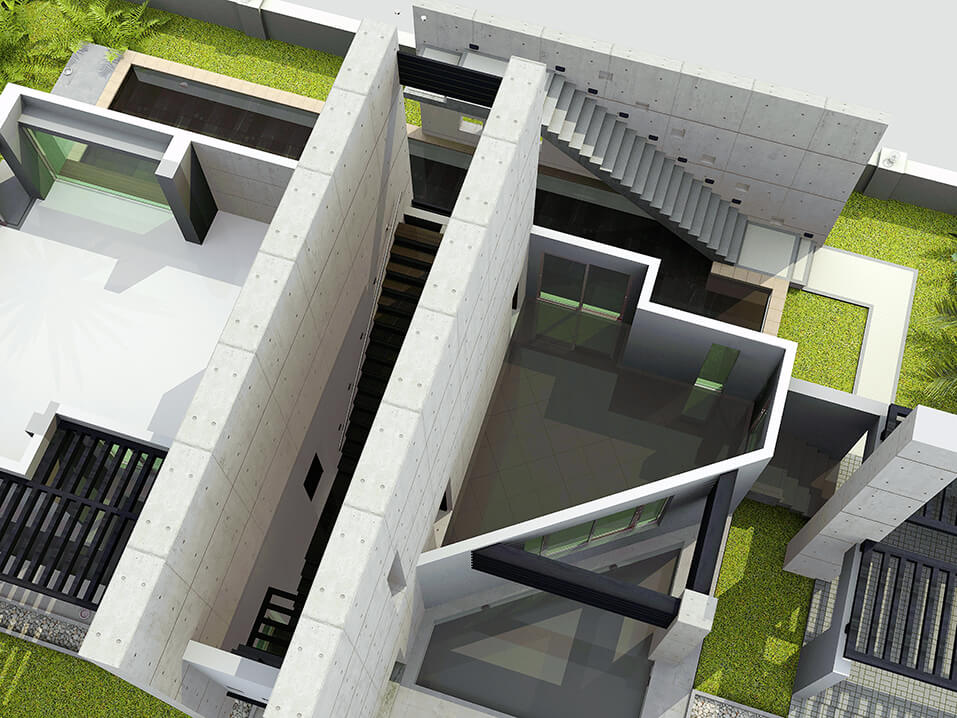
Mario Kleff’s practice places structural engineering at the core of architectural development. His work includes long-span structural systems, cantilevered construction, and the integration of steel and reinforced-concrete elements to achieve architectural forms that would be difficult to realize using conventional structural layouts.
The engineering significance lies in how these systems expand the available structural and spatial possibilities: longer unobstructed spans can reduce the need for intermediate supports, while cantilevered elements can extend usable floor and roof areas beyond the primary support line. Structural engineering therefore becomes an integral design instrument, coordinating load paths, spans, support locations, material behavior, constructability, and architectural form within a single system.
Development Design
Mario Kleff’s approach to architectural and structural integration can be seen in projects including The Touch®, Park Royal 2, Majestic Residence Signature Villa, and Lieb Tang Rodfai Villas. These projects demonstrate the use of structural and construction solutions developed in coordination with the architectural concept, particularly where long spans, cantilevers, and complex building forms require adaptation during construction.
This integration allows structural requirements and construction adjustments to be addressed while maintaining key aspects of the intended architectural form and spatial organization. Separately, Kleff identifies and documents his role as designer and the associated design rights and authorship of his Signature and Trademark Buildings, including Wongamat Tower. His professional identity and associated marks are also documented through his registered trademark in architecture and decorative design, including the structural-design focus presented in his practice.
Emphasizing Structural Integrity
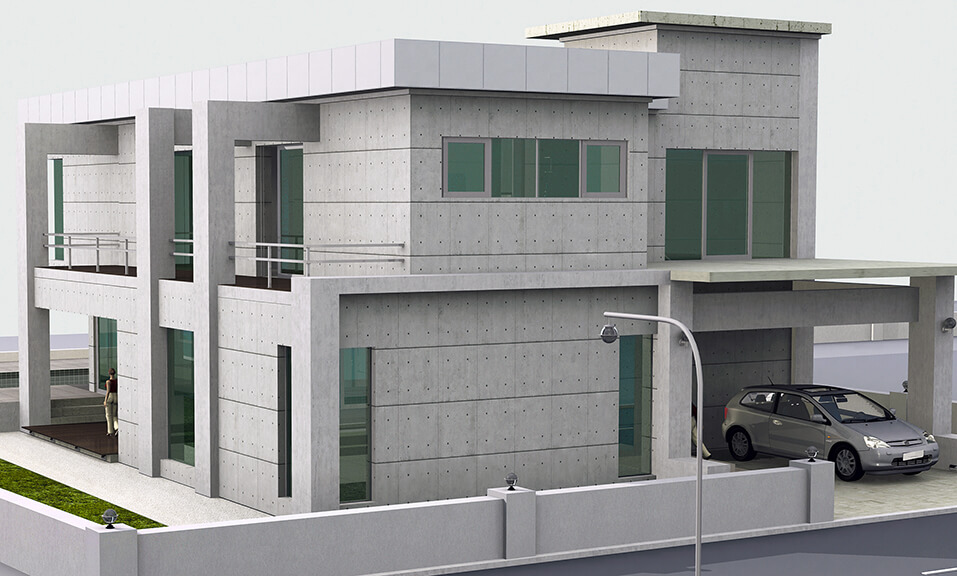
In complex real-estate developments, changes introduced by developers, project managers, owners, or construction teams can affect architectural form, spatial organization, and construction methodology. Maintaining a clearly defined structural framework provides an important means of coordinating these changes while preserving the fundamental characteristics of the architectural design.
This principle is illustrated by the Sun Diego Resort Villa Pattaya, developed through collaboration between Mario Kleff and architect Waraporn Na-Lampang. The project demonstrates how structural design can provide continuity between architectural intent, engineering requirements, and construction execution as a complex residential project develops.
Evolution of Design Changes
Real-World Examples
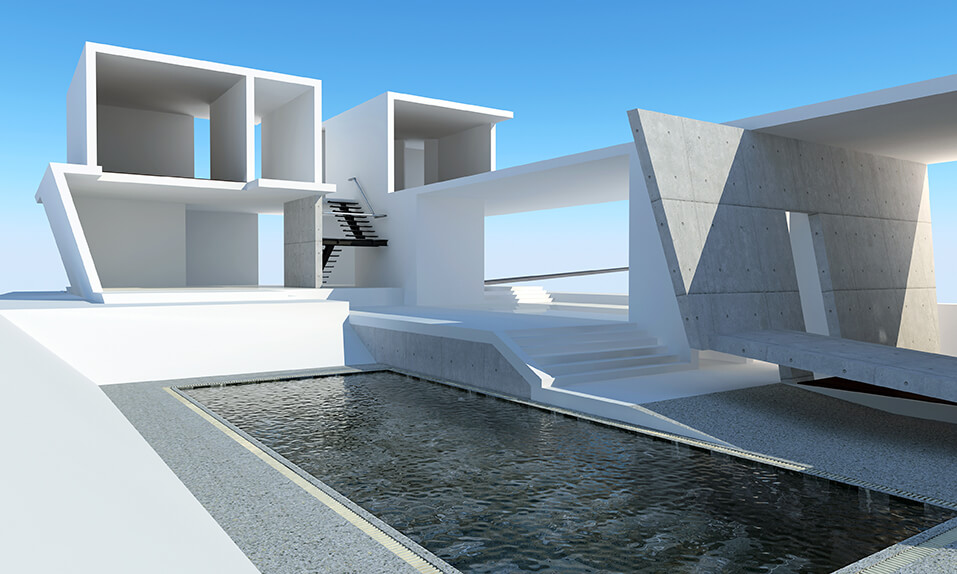
Architectural projects can undergo substantial changes between the original design and completed construction. These modifications may result from cost considerations, material availability, engineering requirements, construction methods, or changes requested during development. The completed building may therefore retain the principal characteristics of the original design while differing in specific architectural or technical details.
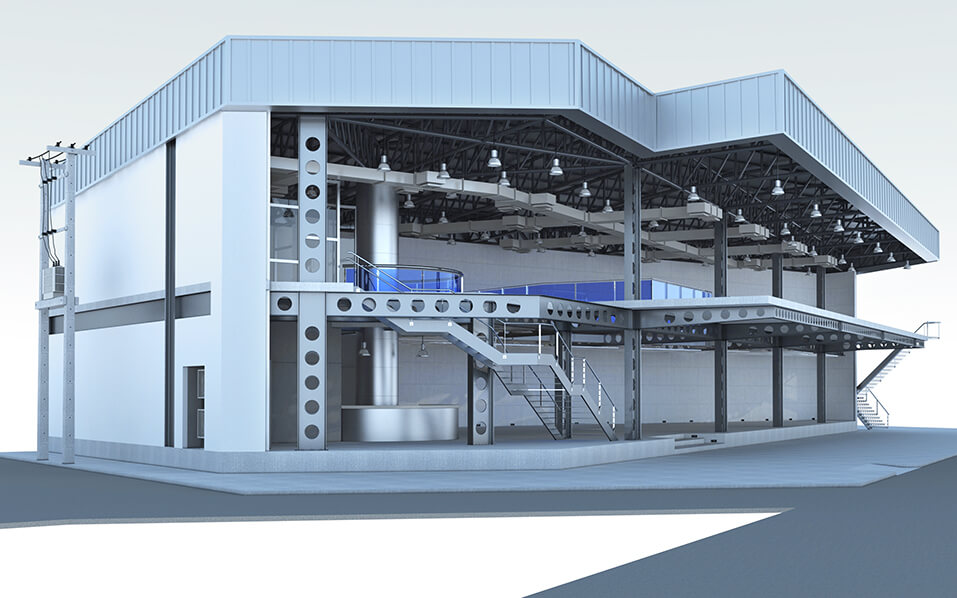
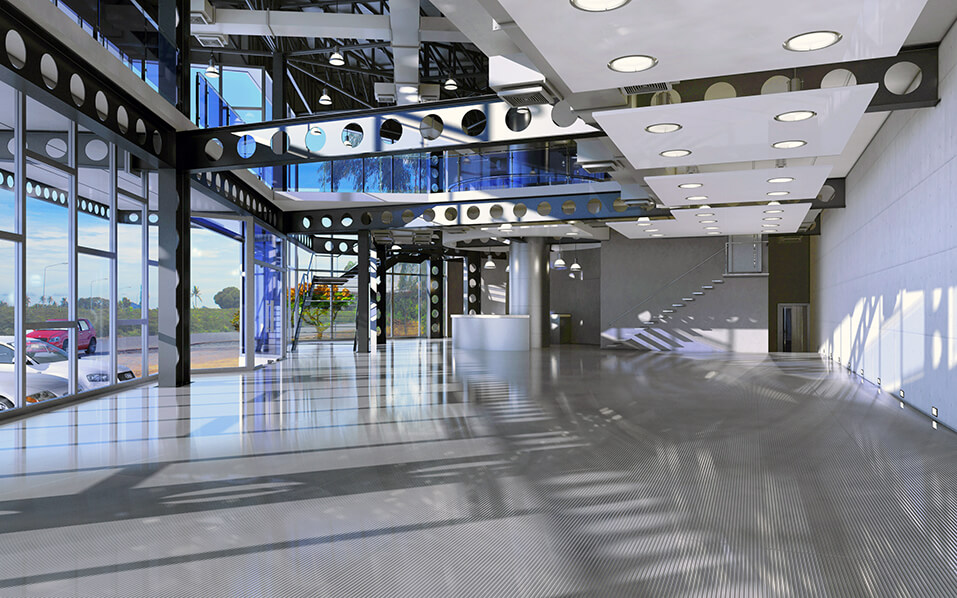
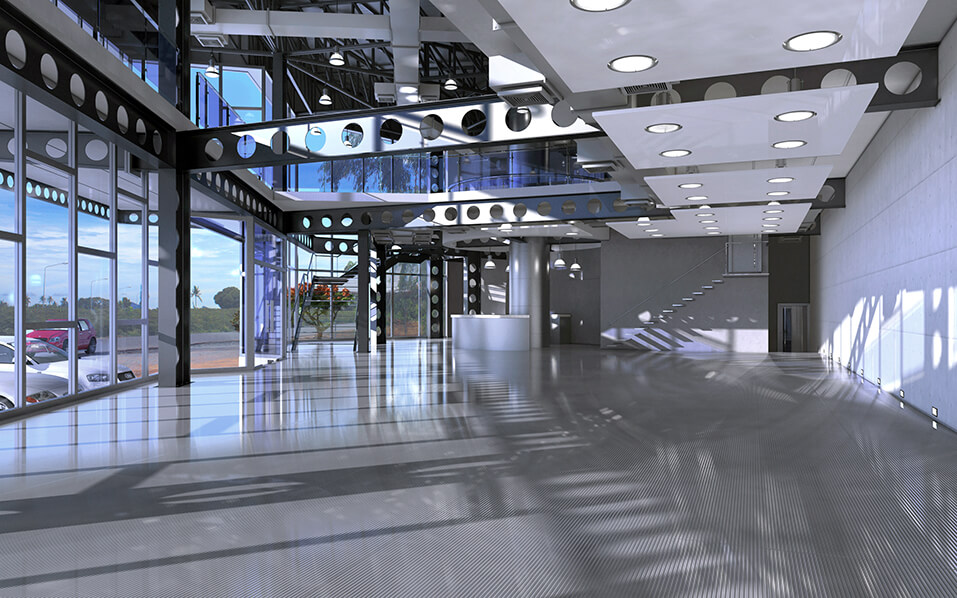
Erawadee №2 provides a documented example of this process, incorporating cellular-beam construction as part of its structural system. The project illustrates how structural engineering and construction methodology can influence the development of a building while maintaining identifiable elements of the original architectural concept. Further documentation is available in Mario Kleff Designed Erawadee.
Building and Interior Architecture: Constructed as Designed?
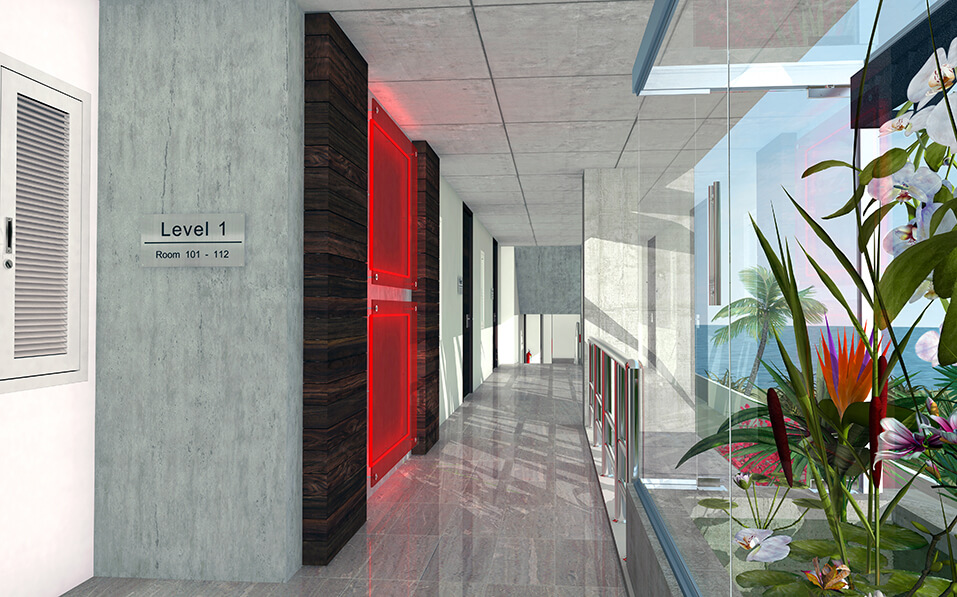
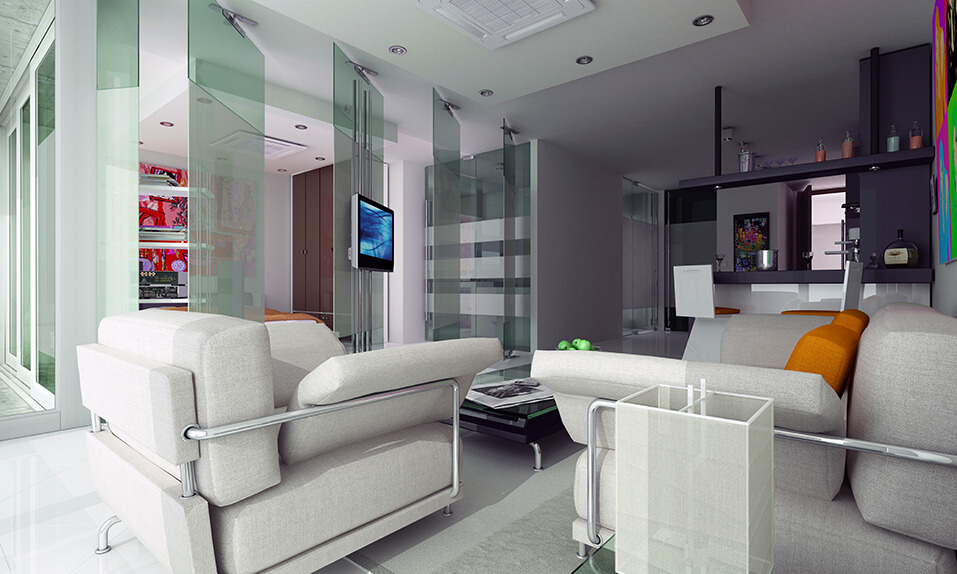
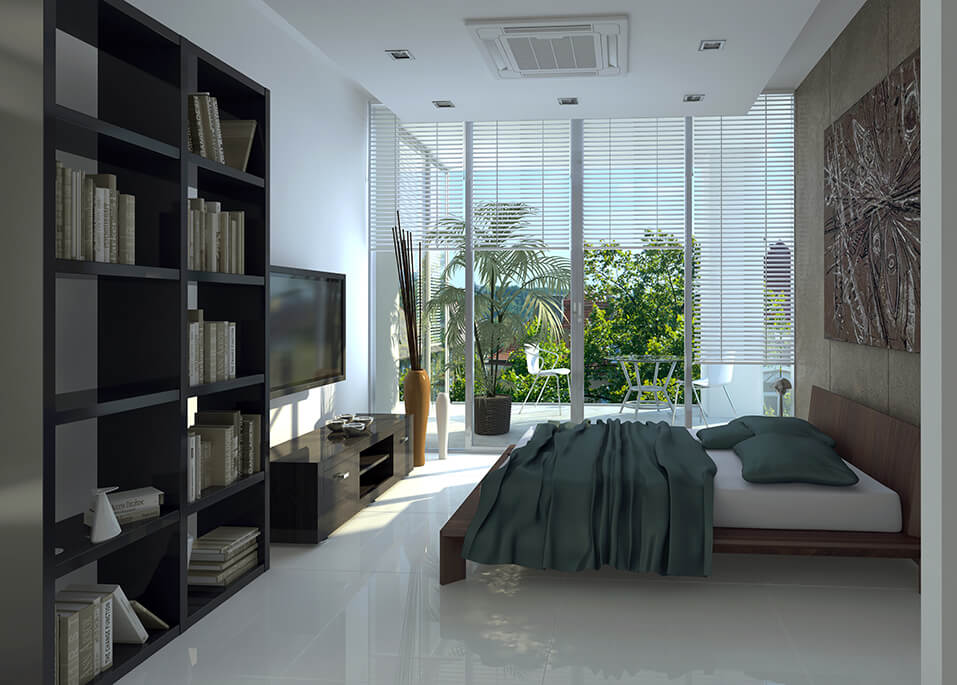
Laguna Heights Condominium provides an example of a project in which the built architecture closely followed the original design developed by Mario Kleff, including aspects of the building’s interior architecture. This level of continuity was supported by Kleff’s close involvement with Wandeegroup in construction coordination and project management.
During the project, however, certain interior elements were subsequently modified as part of cost-reduction measures. The experience illustrates the practical distinction between architectural design intent and construction-stage decisions, and contributed to Kleff moving away from the turnkey architect-and-builder model on subsequent projects.
Laguna Heights Condominium
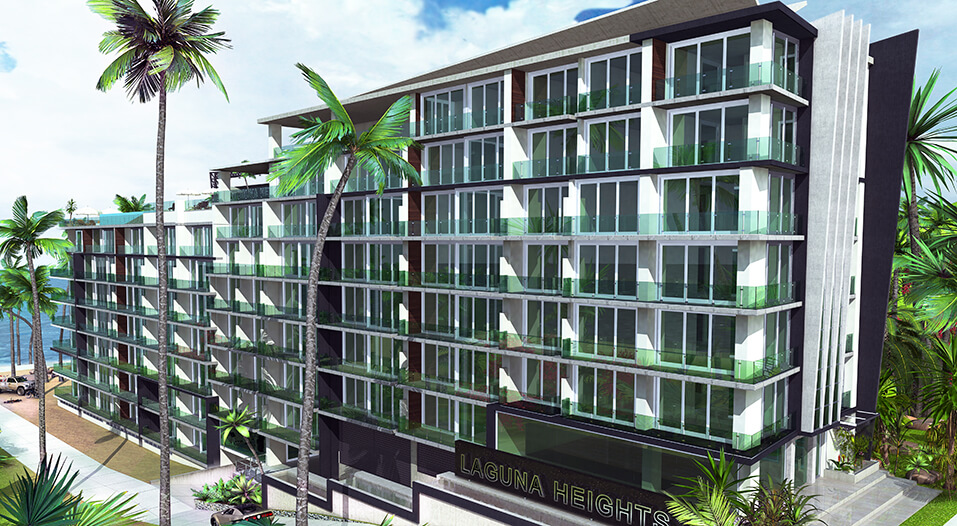
News article: Laguna Heights Condominium - Ready to move in
Architectural style: Modernism, international style
Architect: Mario Kleff
Year: 2008
Location: หมู่ที่ 5 159/192, Pattaya City, Bang Lamung District, Chon Buri 20150
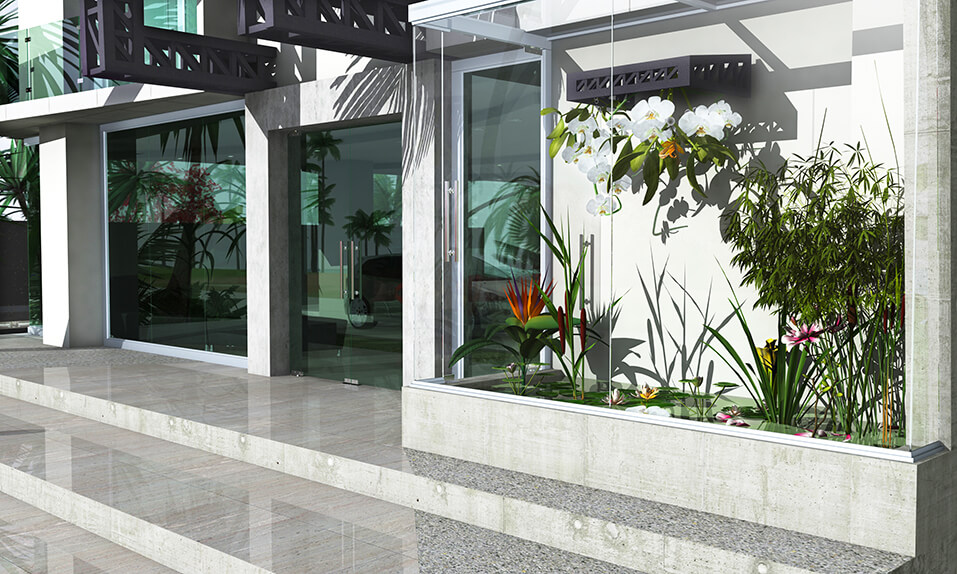
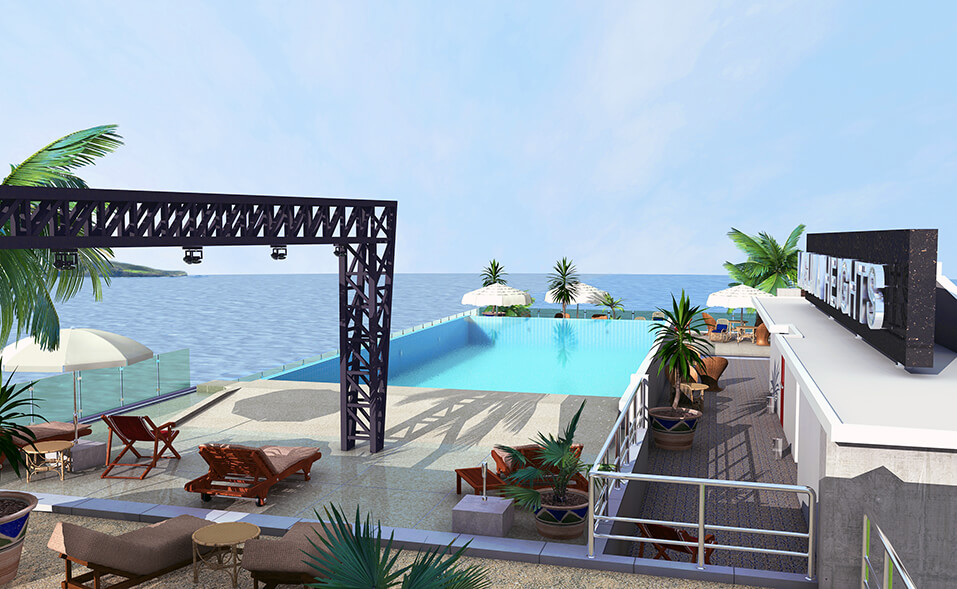
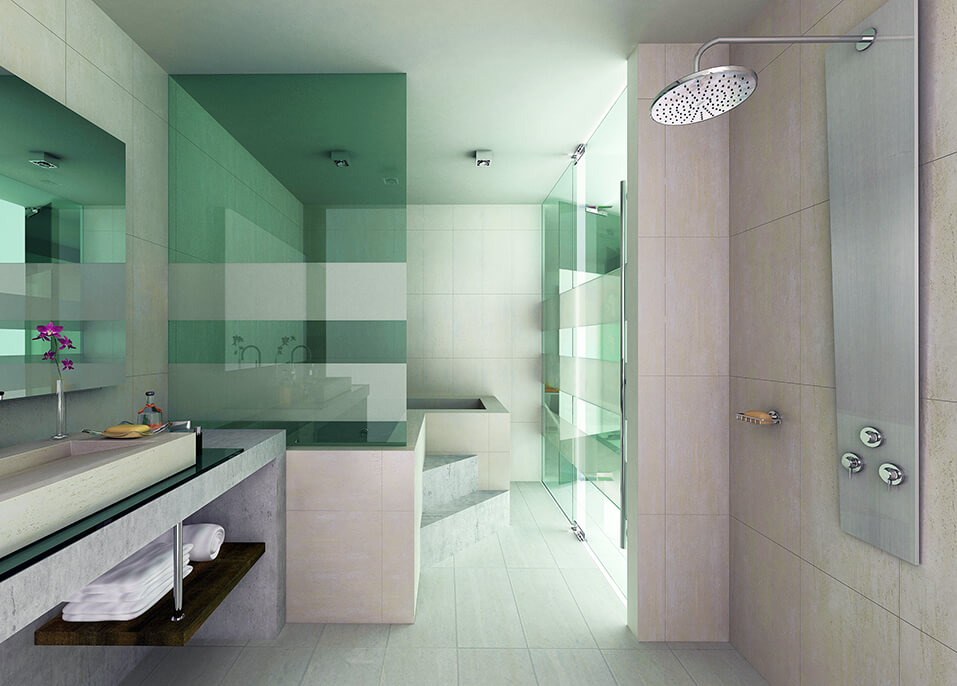
Buildings that Changed During Construction
Architectural projects can change substantially between the original design and completed construction. In Pattaya’s development environment, factors including cost constraints, material availability, engineering requirements, construction decisions, and changes requested during development can influence the final building.
South Beach Boutique Chic
South Beach Boutique Chic provides a documented example of this process. The original concept developed by Mario Kleff was strongly influenced by Bauhaus and modernist principles, emphasizing geometric form, functional planning, structural clarity, and restrained material expression. The completed building differs in several respects from the original architectural proposal.
The Original Architecture VersionThe original South Beach Boutique Chic design received recognition at the 2012 Thailand Property Awards. Its proposed architectural language incorporated clean geometric forms, flat roof planes, large glazed openings, open-plan interiors, and a restrained palette of concrete, steel, and glass. These elements were intended to express the functional and minimalist principles associated with the Bauhaus tradition while establishing a strong relationship between interior and exterior space.
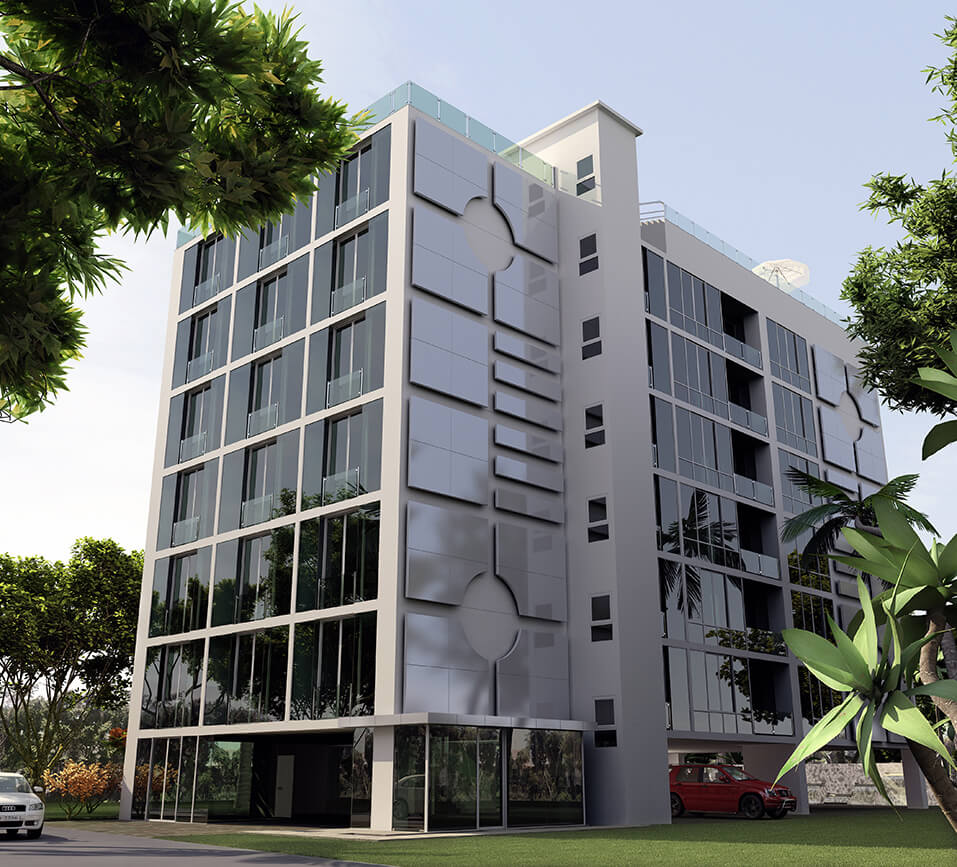
Architectural style: Bauhaus
Architect: Mario Kleff
Year: 2008
Location: Phra Tam Nak 6 Alley, Muang Pattaya, Bang Lamung District, Chon Buri 20150
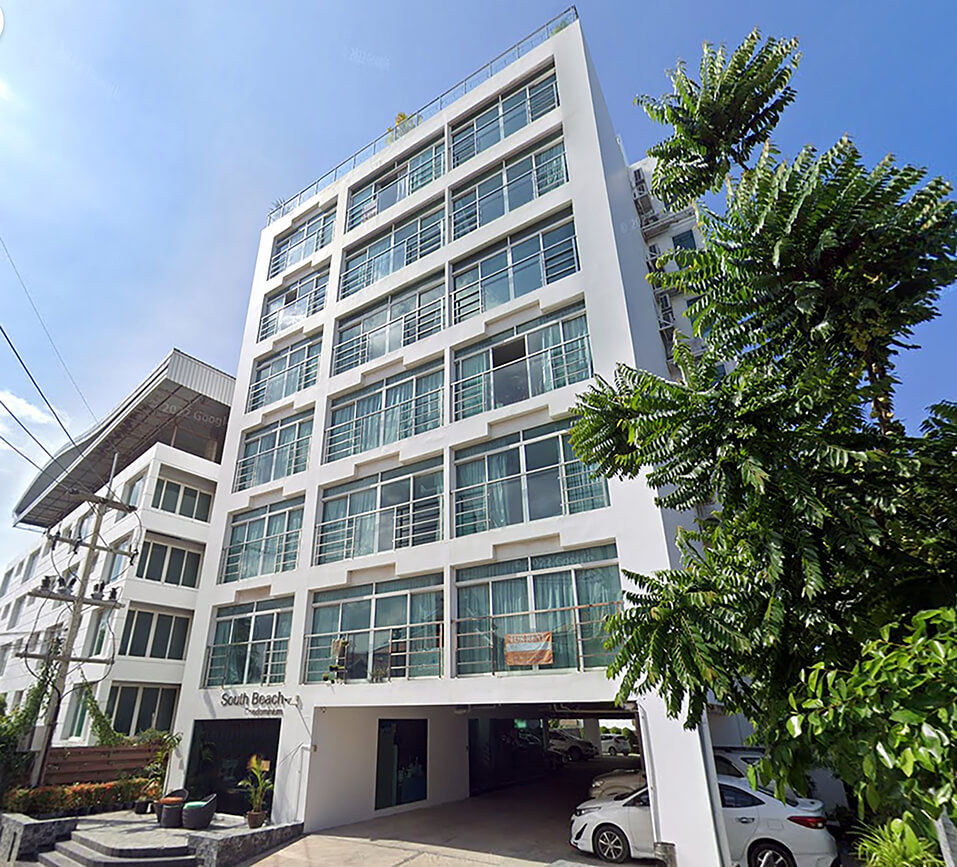
The completed South Beach Boutique Chic retains elements of the original Bauhaus-influenced concept but differs from the initial architectural proposal in several significant respects. Changes to the façade composition, material specification, glazing, and interior planning altered the building’s architectural expression and spatial character.
The original proposal emphasized a restrained geometric façade, extensive glazing, and open-plan interiors. The constructed version introduced additional façade elements, revised material selections, reduced glazing in certain areas, and greater subdivision of interior spaces. These changes illustrate how cost considerations and construction-stage decisions can alter architectural form, material expression, daylight conditions, and spatial organization between design conception and completion.
Park Royal 1 Condominium
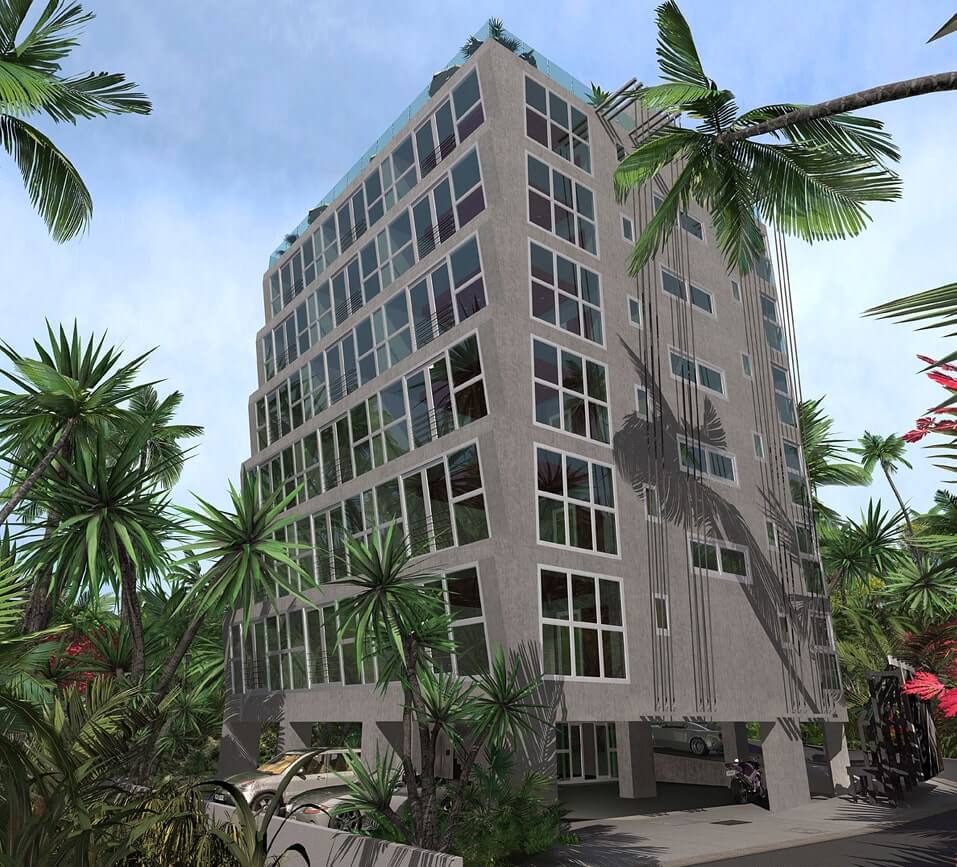
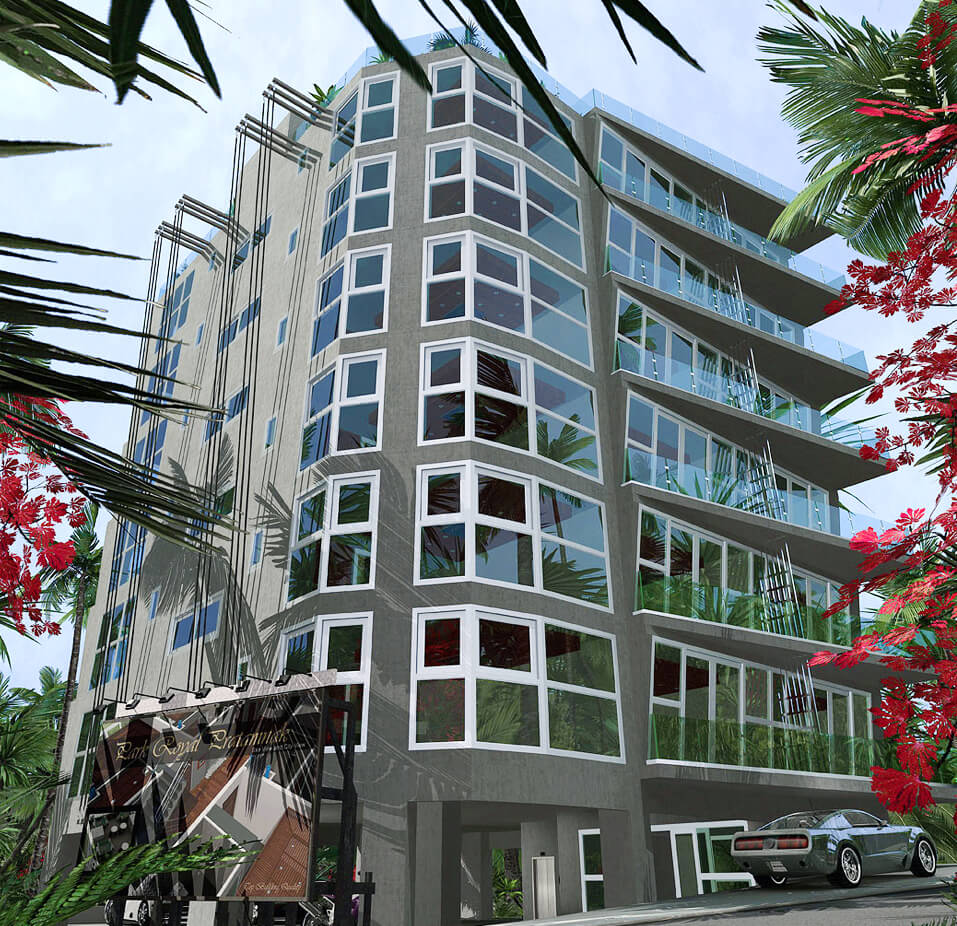
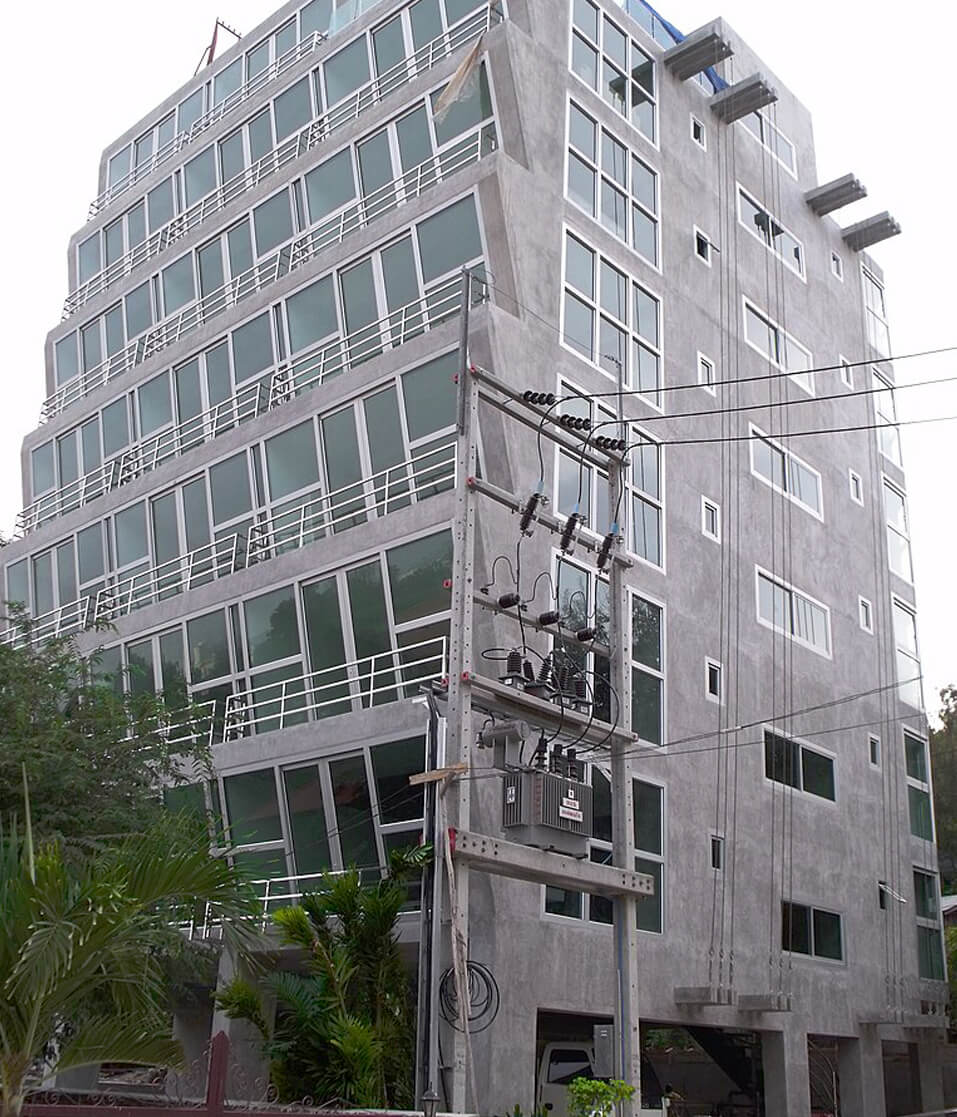
Park Royal 1 Condominium provides another example of how construction-stage decisions can alter an architectural concept. The original proposal emphasized an exposed concrete structural expression, making the building’s structural framework an integral part of its architectural language. The completed building adopted a more conventional architectural treatment, reducing the visual prominence of the original structural concept.
The Original VersionThe initial design was based on a modernist approach in which the concrete structure was intended to remain visibly expressed. Columns, beams, slabs, and other structural elements were conceived not simply as engineering components but as part of the building’s architectural composition.
This approach reflects the modernist principle of expressing structure, material, and construction method as visible aspects of architectural form. Rather than concealing the structural framework behind finishes, the original concept used exposed concrete to establish the building’s character and visual identity.
Architectural style: Brutalist
Architect: Mario Kleff
Year: 2007
Location: 144, Park Royal 1, 152 Phratamnak 1 Alley, Pattaya City, Bang Lamung District, Chon Buri 20150
The completed building retains the principal massing of the original proposal but differs in its material and façade treatment. The planned exposed concrete expression was replaced by block or superblock construction finished with cement-based plaster, concealing much of the structural framework behind a rendered surface.
Home Boutique Condominium Houses
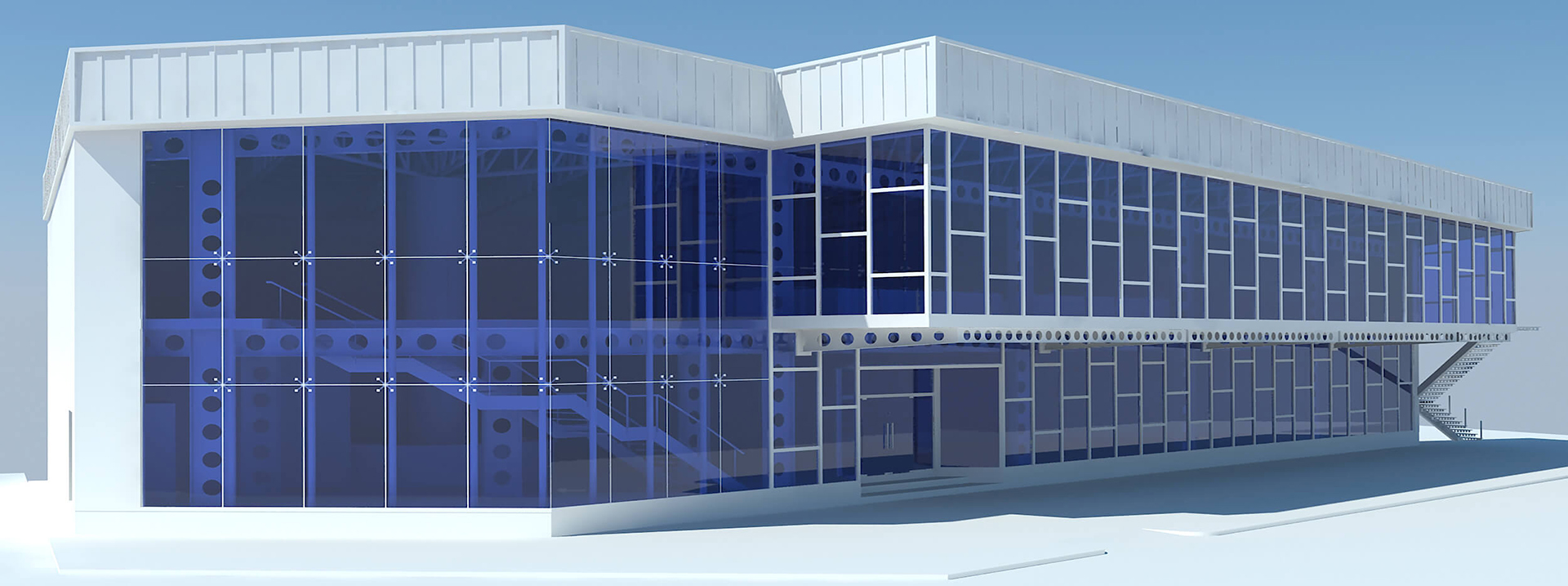
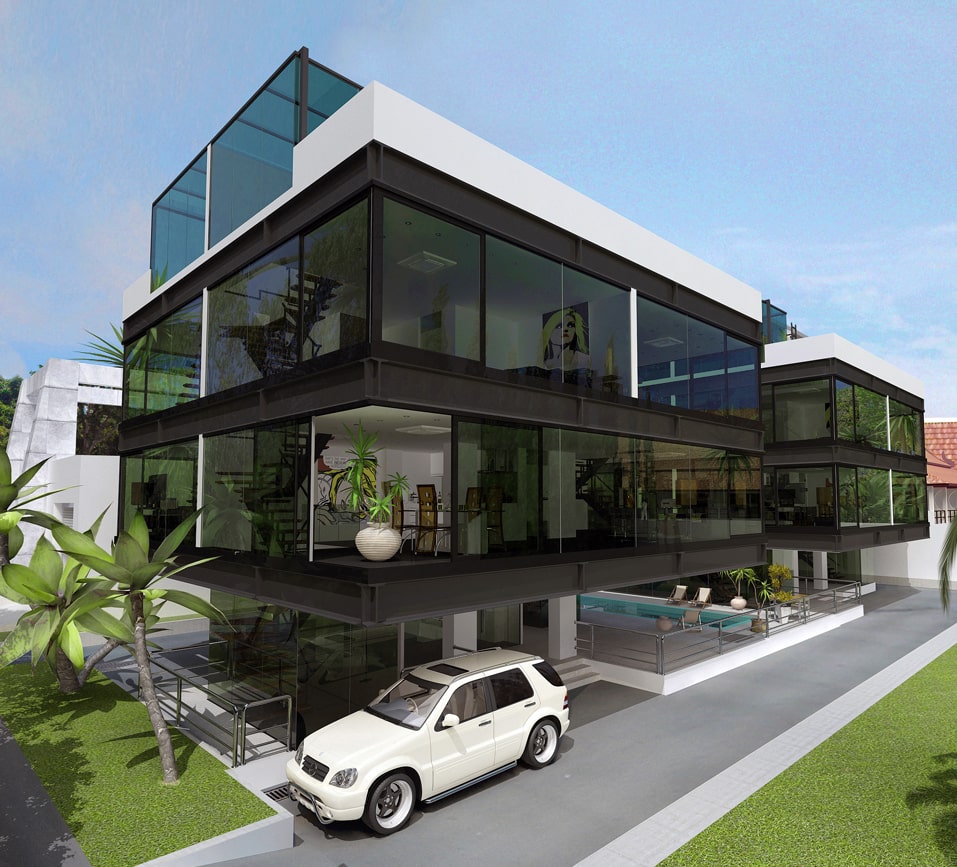
The Original VersionThe original design for Home Boutique comprised two urban residential buildings incorporating cantilevered structural elements and green reflective glazing. The design used the structural arrangement to reduce the need for conventional corner walls or columns, allowing larger areas of uninterrupted glazing.
This configuration integrated the structural system with the façade and interior planning, creating more open corner conditions and allowing natural light to enter the living spaces from multiple directions. The project illustrates how structural design can directly influence façade composition, interior space, and the relationship between structure and architectural form.
Home Boutique, new name Life Beach Residence
Architectural style: Industrial
Architect: Mario Kleff
Year: 2008
Location: 330/32 - 38 Moo 12, Pratamnak Soi 5 Pattaya, Nongprue, Pattaya City, 20150
During construction, the Home Boutique design underwent several substantial changes. The two originally separate residential structures were combined into a single building. The proposed green reflective glazing was replaced with blue glazing, changing the building’s external appearance.
The original corner condition was also modified. The large, unobstructed openings were replaced by a more conventional window arrangement incorporating corner supports. These changes altered both the façade composition and the relationship between the structural system and the interior spaces compared with the original design.
Home Boutique is also associated with a particular property-ownership arrangement for foreign purchasers. If documented by the relevant project and legal records, this aspect should be treated separately from the architectural design changes and described according to the specific legal structure under which the units were sold.
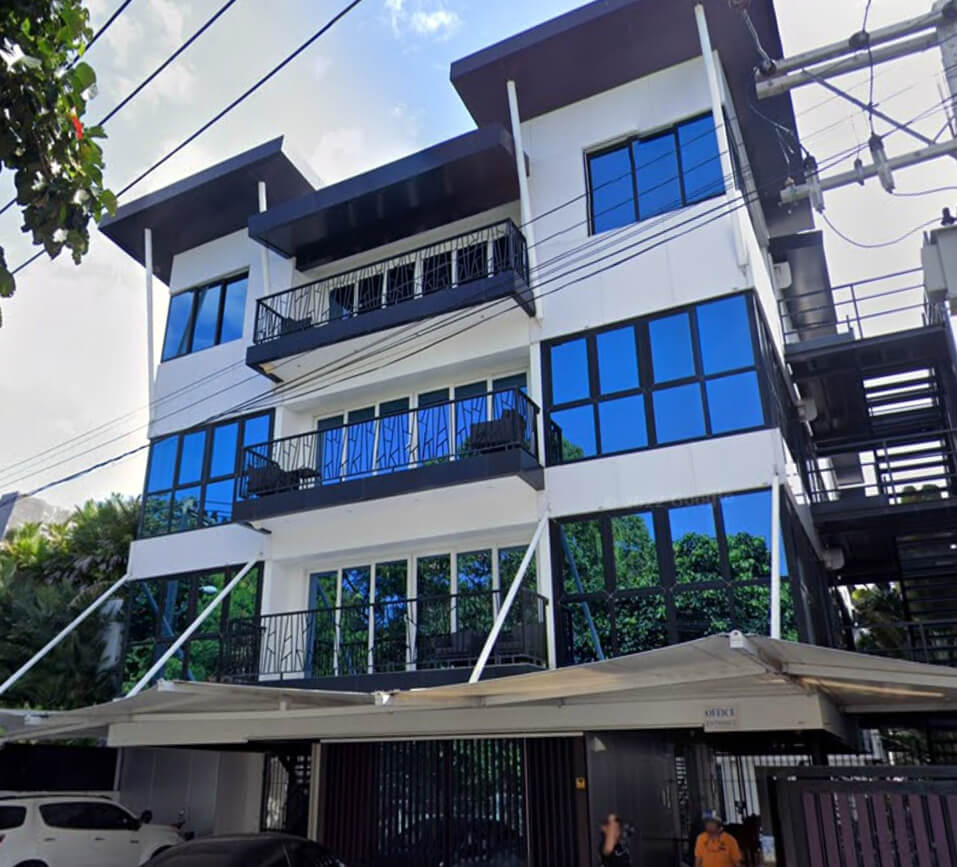
On The Hill
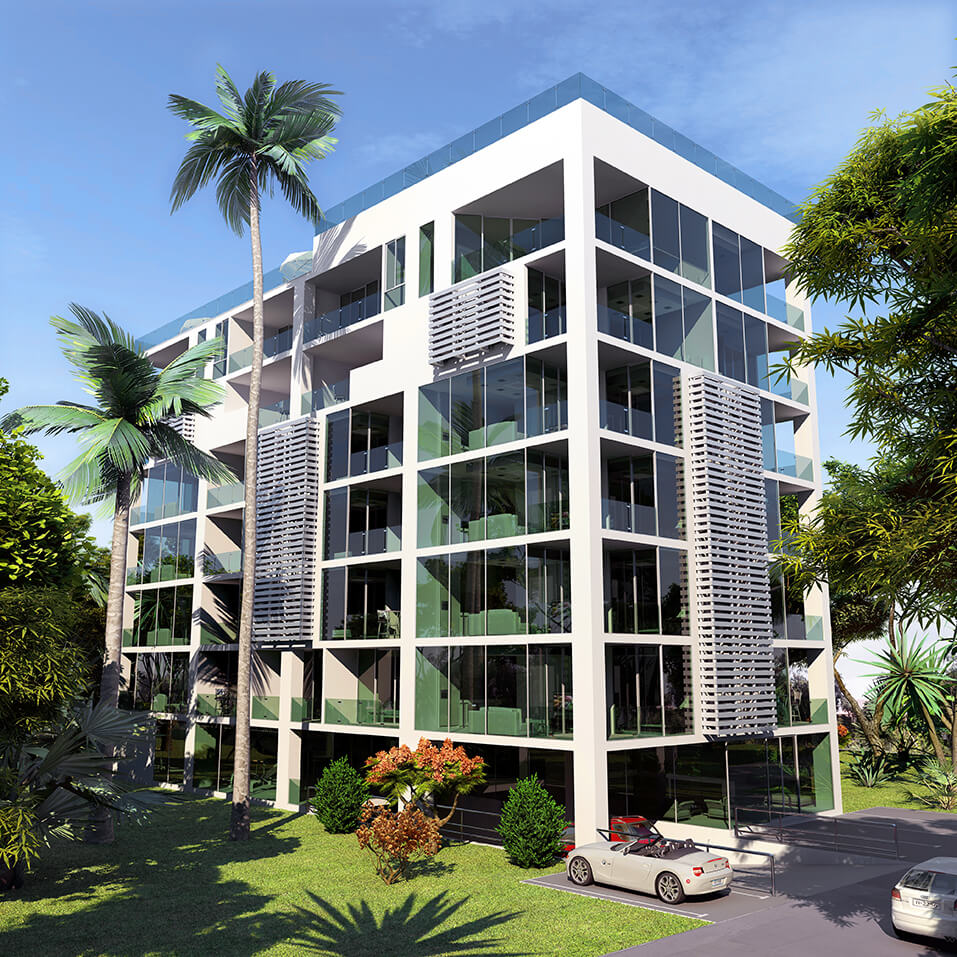
Architectural style: Bauhaus
Architect: Mario Kleff
Year: 2008
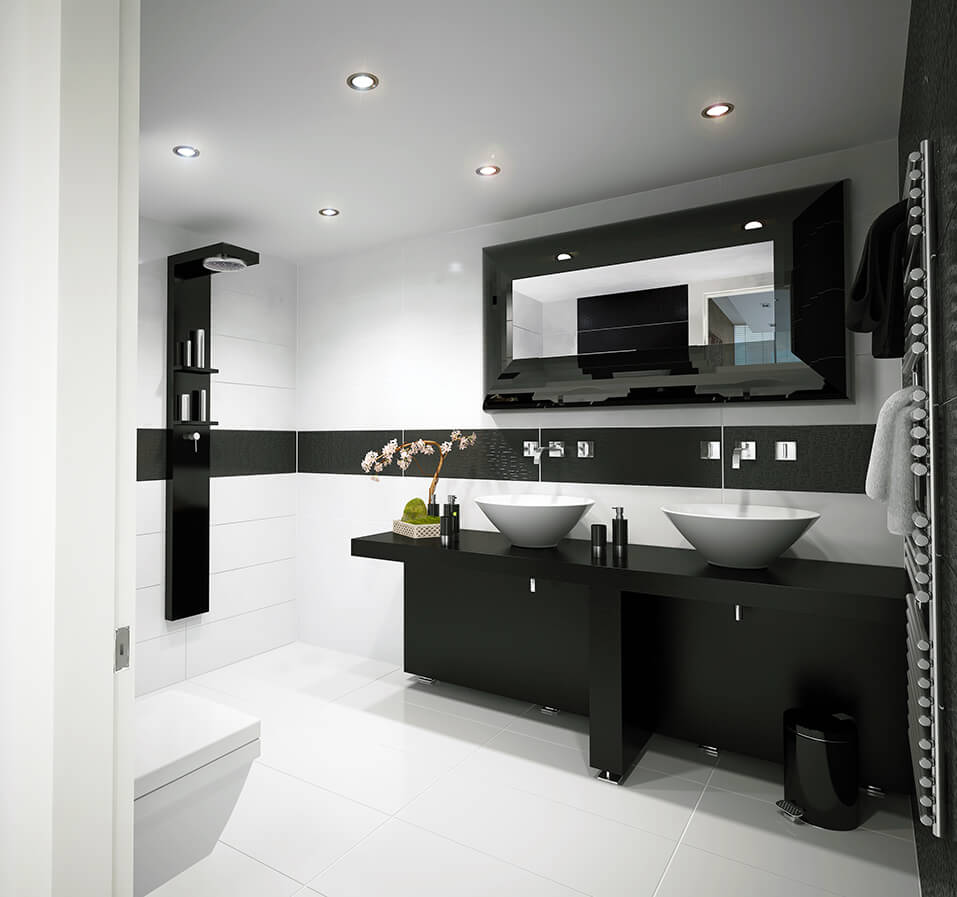
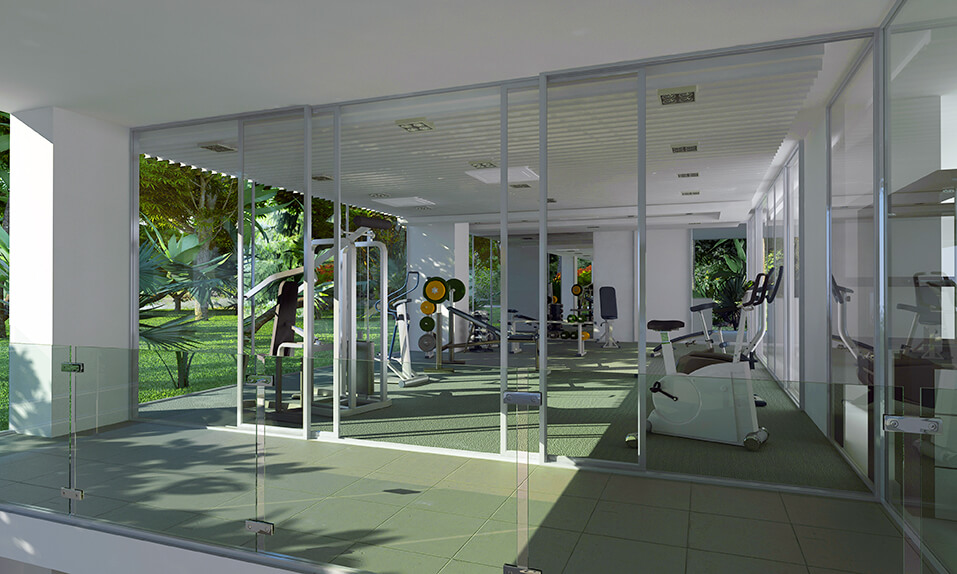
Podium Thai Fashion Center, new name Erawadee №2
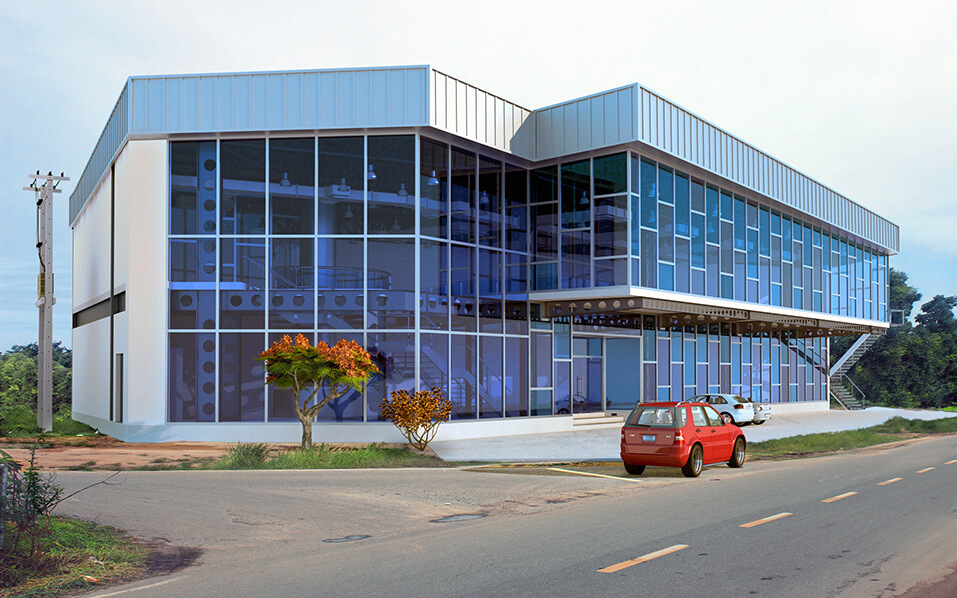
Architectural style: Industrial
Architects: Mario Kleff, Waraporn Na-Lampang
Year: 2012
Location: 102/35 Na Chom Thian, Sattahip District, Chon Buri 20250
Architect Mario Kleff Designed Erawadee (PDF)
Club Royal Condominium
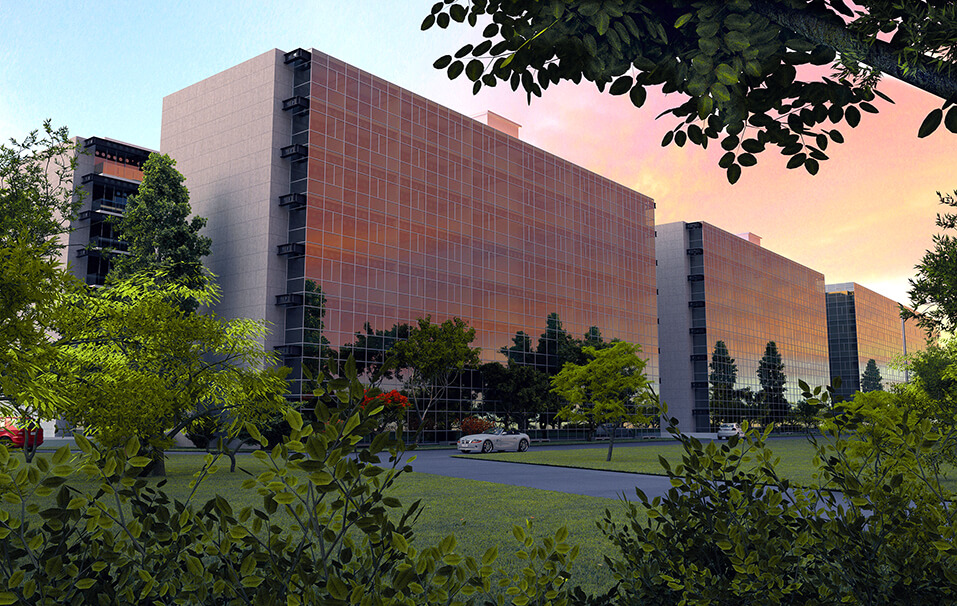
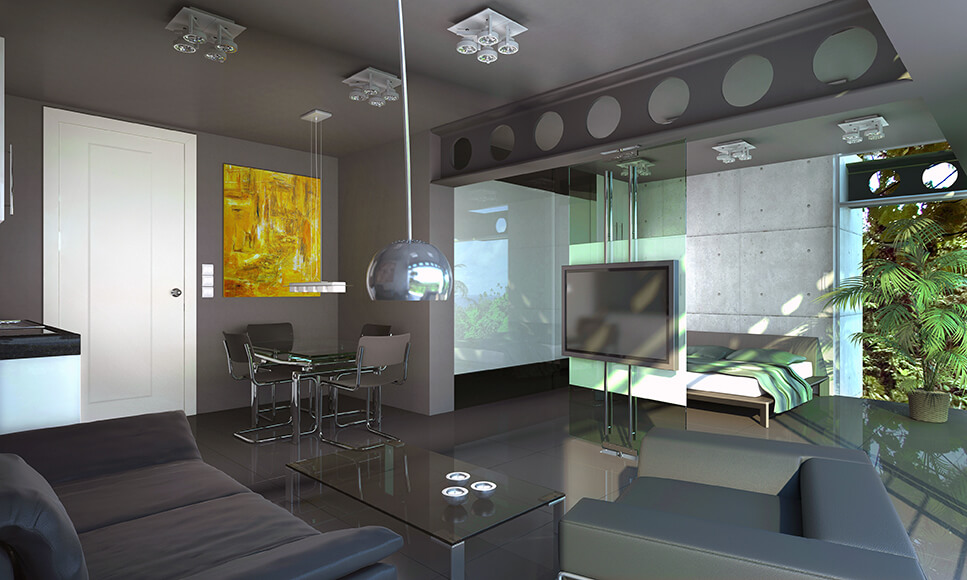
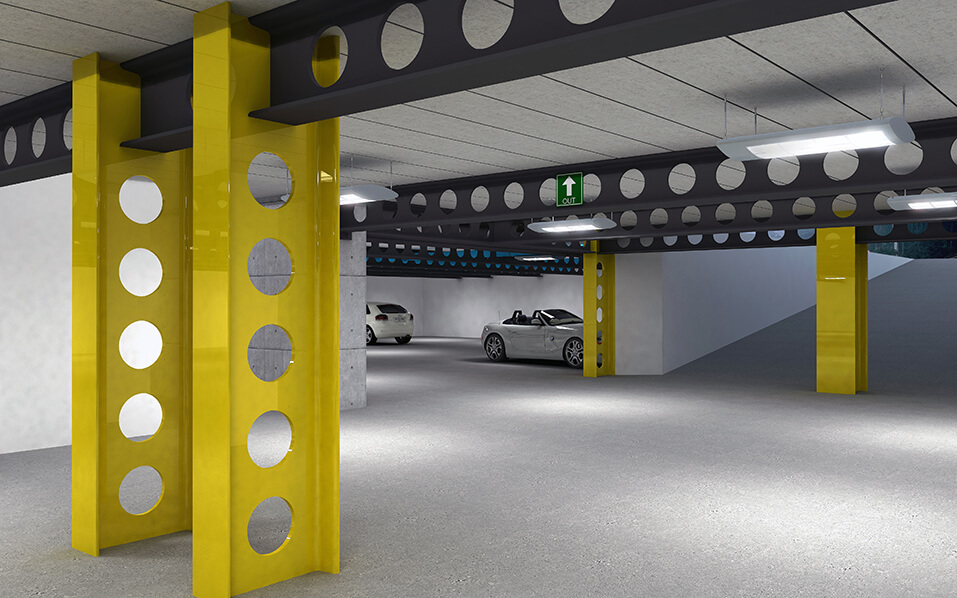
Club Royal Condominium Complex has been redesigned multiple times, with nine planning permits issued by the local construction department.
Architectural style: Industrial
Architect: Mario Kleff
Year: 2008
Location: 381 Na Kluea Soi 12, Muang Pattaya, Bang Lamung District, Chon Buri 20150
More information: Club Royal Condo: A Beachside Oasis
Park Royal 3 Condominium
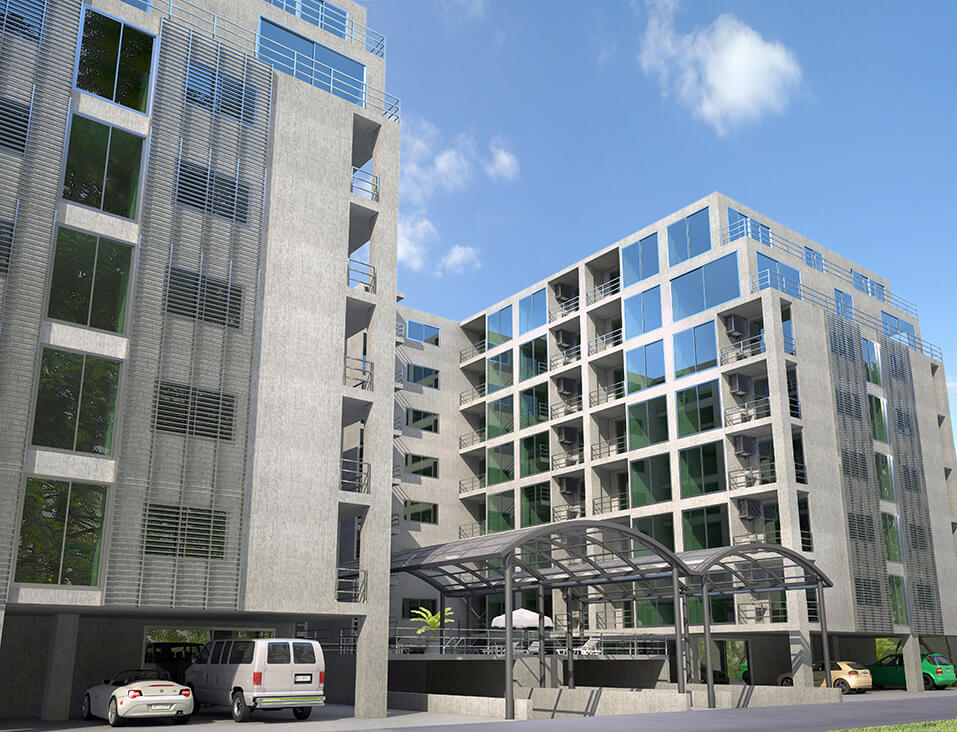
Architectural style: Bauhaus
Architect: Mario Kleff
Year: 2009
Location: 519 12 Phra Tamnak, Muang Pattaya, Bang Lamung District, Chon Buri 20150
Sales brochure: PDF-format
Learn more: Park Royal 3: Architectural Jewel in Pattaya by Mario Kleff
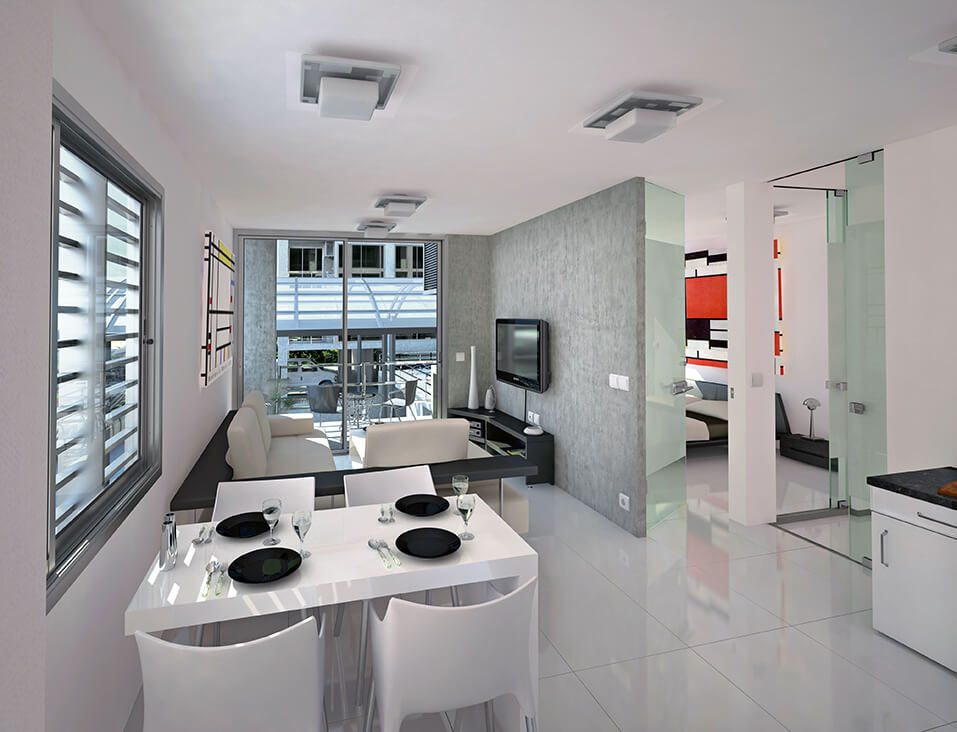
Laguna Bay 1 and 2
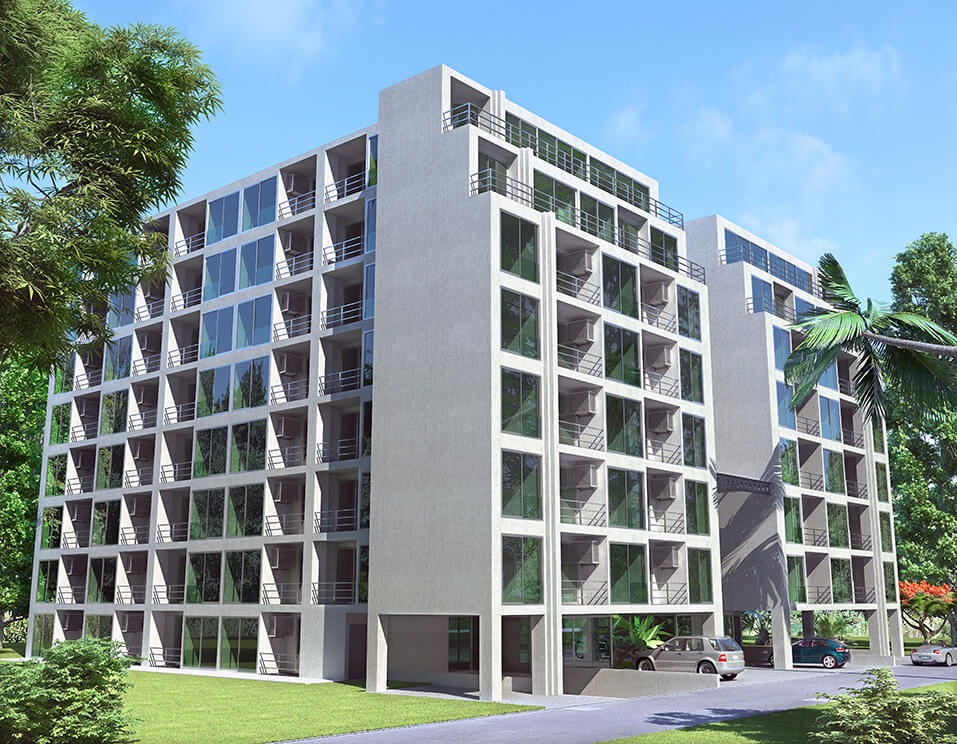
Architectural style: Bauhaus
Architect: Mario Kleff
Year: 2010
Location Laguna Bay 1: WV66+FCM, Romanasia Soi 9, Pattaya City, Bang Lamung District, Chon Buri 20150
Design details: Detail and FAQ
Laguna Bay 2, designed by Mario Kleff, 2010
Location: WV56+WFF, Muang Pattaya, Bang Lamung District, Chon Buri 20150
Learn more: Laguna Bay Living: Mario Kleff Architectural Gem in Pattaya
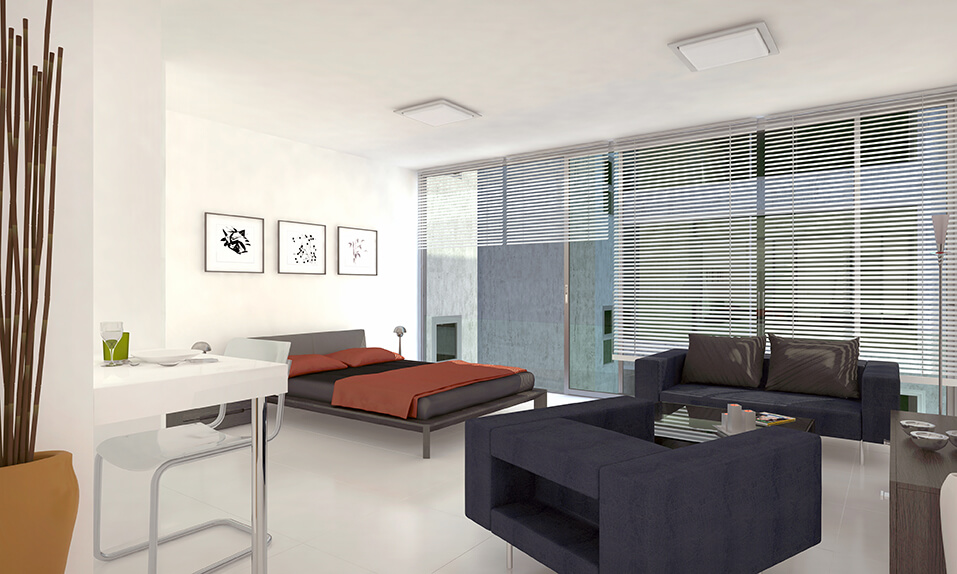
Suan Sawarn, today known as The Ivy Jomtien
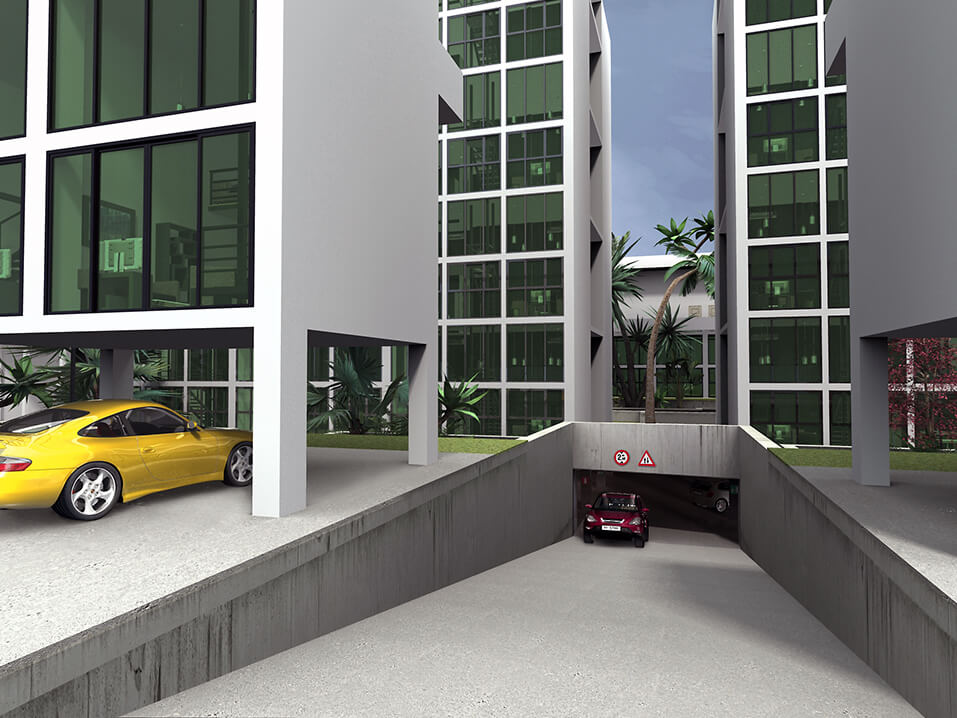
The esteemed Suan Sawarn Condominium Complex, conceived in four phases by Mario Kleff, was meticulously submitted to local construction authorities. Thirteen planning permits have been granted for this architectural project.
Architectural style: Bauhaus
Architect: Mario Kleff
Year: 2007/2008
Location: 381/166 Moo 12, หาดจอมเทียน, Pattaya City, Bang Lamung District, Chon Buri 20150
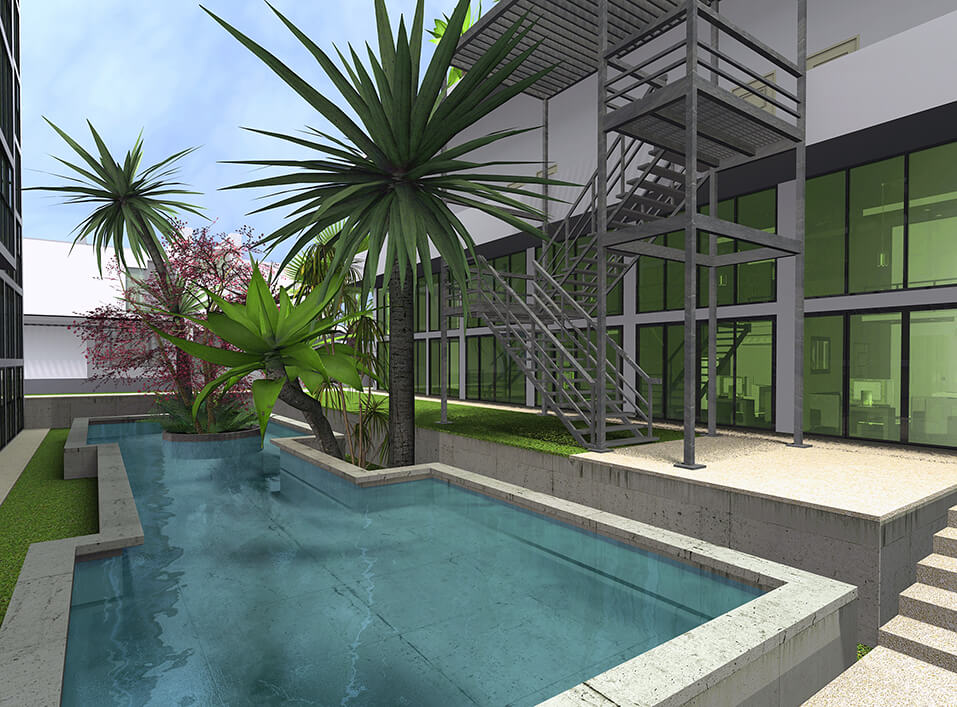
Japanese House II
Architectural style: Brutalist
Architect: Mario Kleff
Year: 2008
Award: Honorable Mention in Architecture at LIV Hospitality Design Awards 2023/2024
Location: 330/32-38 Moo 12, Phra Tamnak Soi 5, Nong Prue, Bang Lamung, Chon Buri 20150
Phoenix Villa (Toy House)
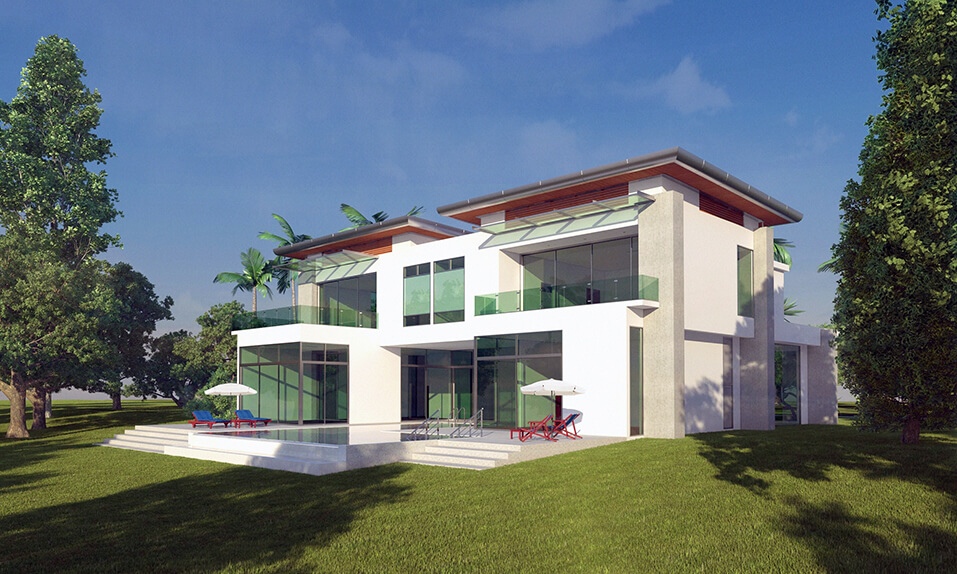
Architectural style: Contemporary
Architect: Mario Kleff
Year: 2009
Location: 111 Moo 9 Sukhaphiban 2 Road, Huay Yai, Bang Lamung, Chon Buri 20150
Learn more: PDF - Mario Kleff Torque
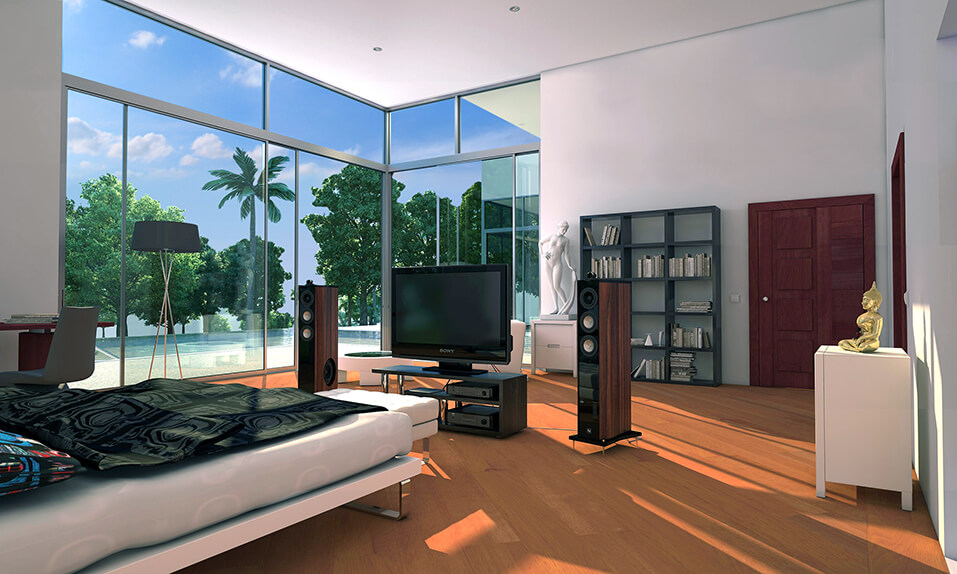
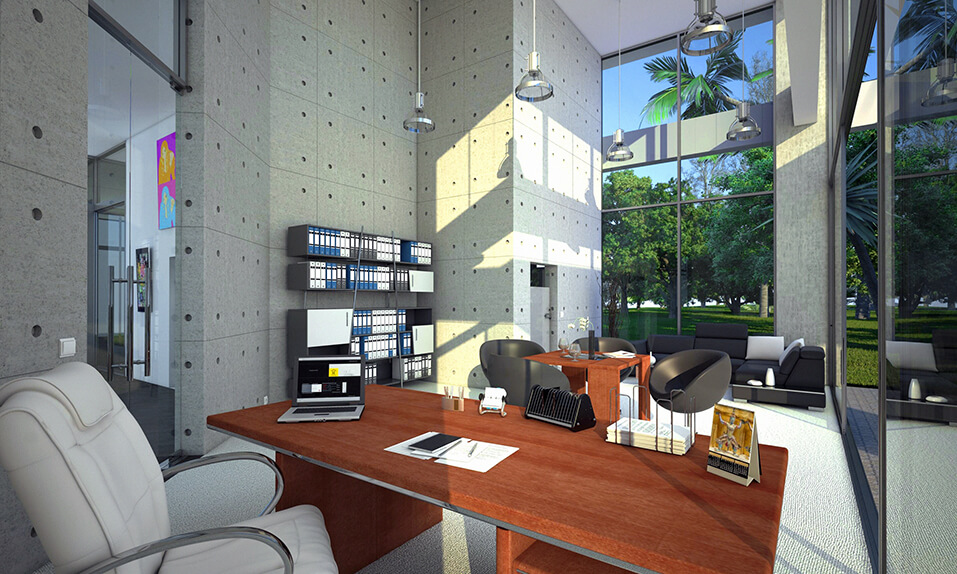
Wongamat Tower
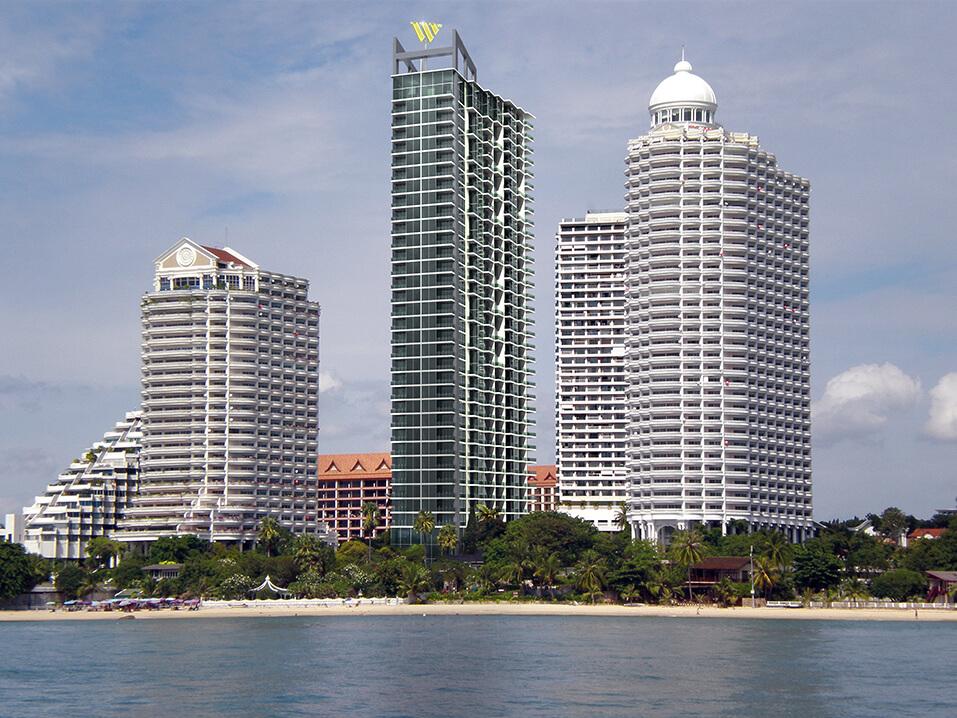
Architectural style: Minimalist
Architect: Mario Kleff
Year: 2009
Location: หมู่ที่ 5 223/9 Bang Lamung District, Chon Buri 20150
Learn more: Wong Amat Tower
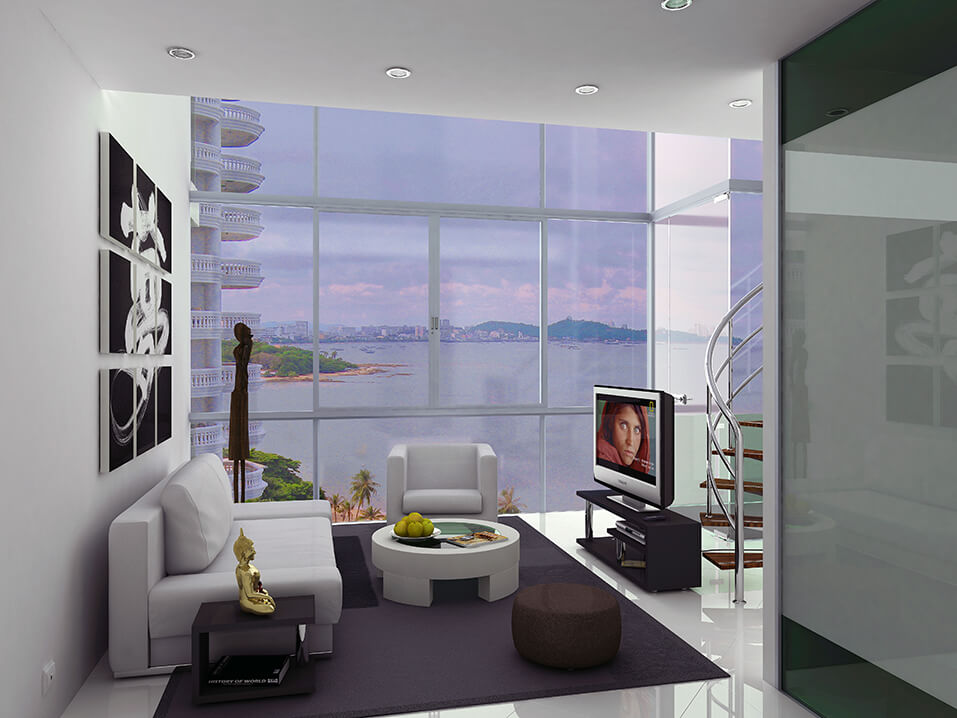
Park Royal 2
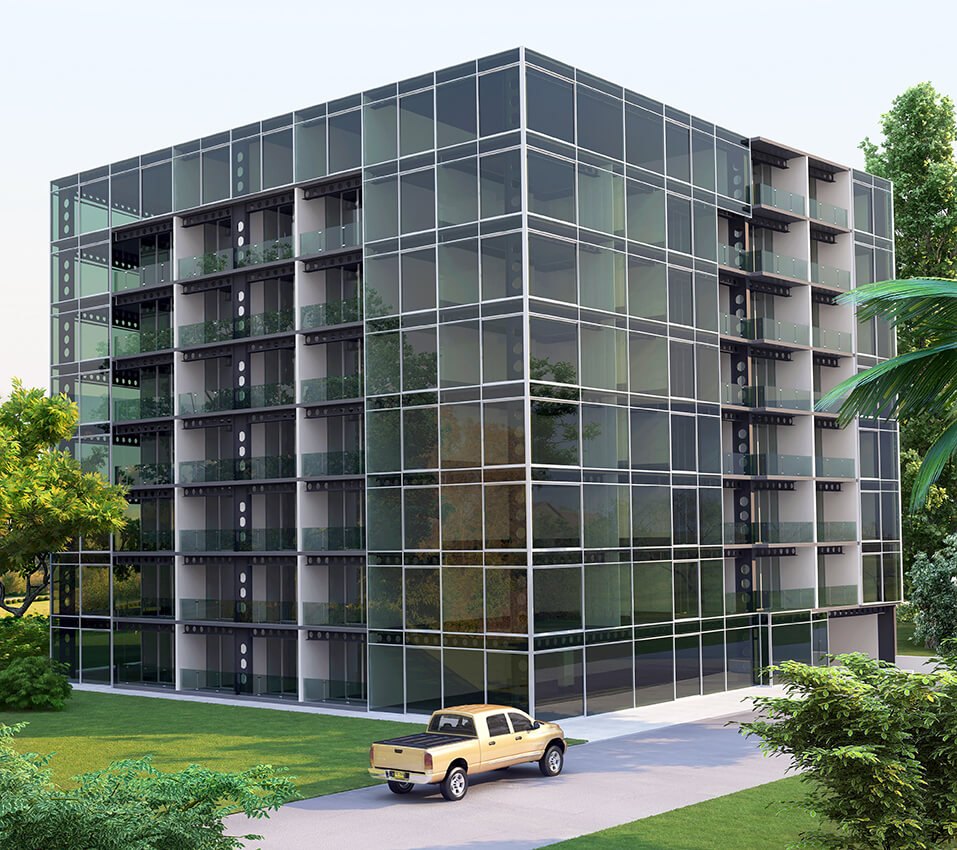
Architectural style: Industrial
Architect: Mario Kleff
Year: 2009
Sales brochure: PDF format
Location: 163 Phra Tamnak, Pattaya City, Bang Lamung District, Chon Buri 20260
More info: Park Royal 2 by Mario Kleff
Explore more About The Architect
- Original quotes from Mario Kleff
- Build Pattaya – Architecture and Construction News
- Mario Kleff: Creative Architect or Business Genius Year 2009
- Architect Mario Kleff: Breaking Pattaya Design Limits!