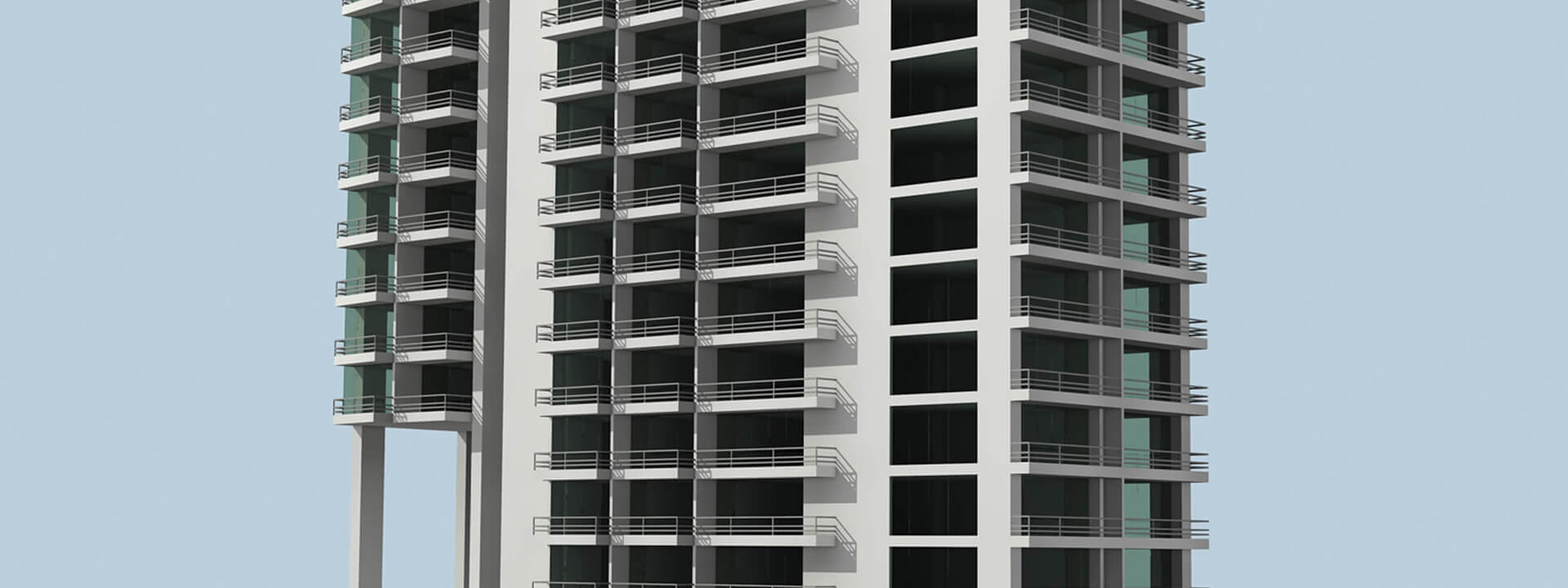

| Wong Amat Tower is also commonly referred to as Wongamat Tower or W-Tower. | |
| หมู่ที่ 5 223/9 Bang Lamung District, Chon Buri 20150 | |
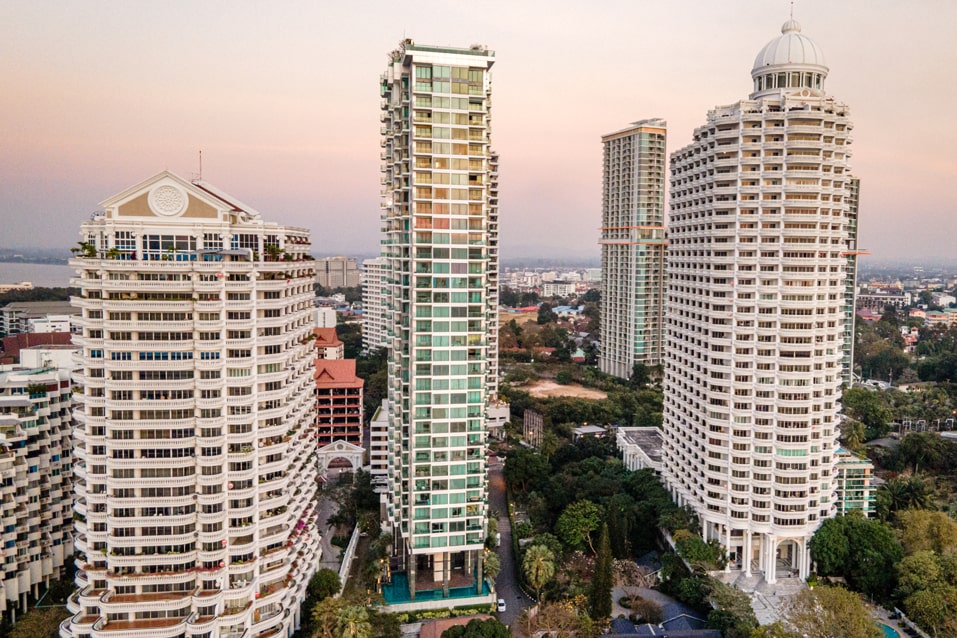
| A 38-story architectural landmark located on Pattaya's Wong Amat Beach. Designed by the renowned architect Mario Kleff in 2009, this iconic structure houses 361 apartments. Developed by Heights Holdings Co Ltd, the tower was completed in 2015. | |
| Email Mario Kleff | |
| +66643196283 | |
| +66643196283 | |
| LINE | wandeegroup.asia |
| Google | Mario Kleff ® Signature | |
| YouTube | Mario Kleff | |
| mariokleff.official | |
| mario.kleff | |
| mariokleffwandeegroup | |
| KleffMario | |
| FAQ about the brand | |
| Index mario-kleff.com |

Names can be erased, but the spirit remains. Developers have built their success on the foundation I laid. Even when the source of growth is no longer visible, the principles continue to grow and shape the future. My influence remains embedded in the structures of Pattaya – not in recognition, but in the power of ideas that build and carry forward the development of architecture.
Designed by the world-renowned architect Mario Kleff, Wongamat Tower stands as an iconic high-rise structure on Wong Amat Beach. Completed in early 2015 by Heights Holdings Co Ltd, a prolific developer in Pattaya, this landmark tower epitomizes modern architectural excellence and innovation in Pattaya.
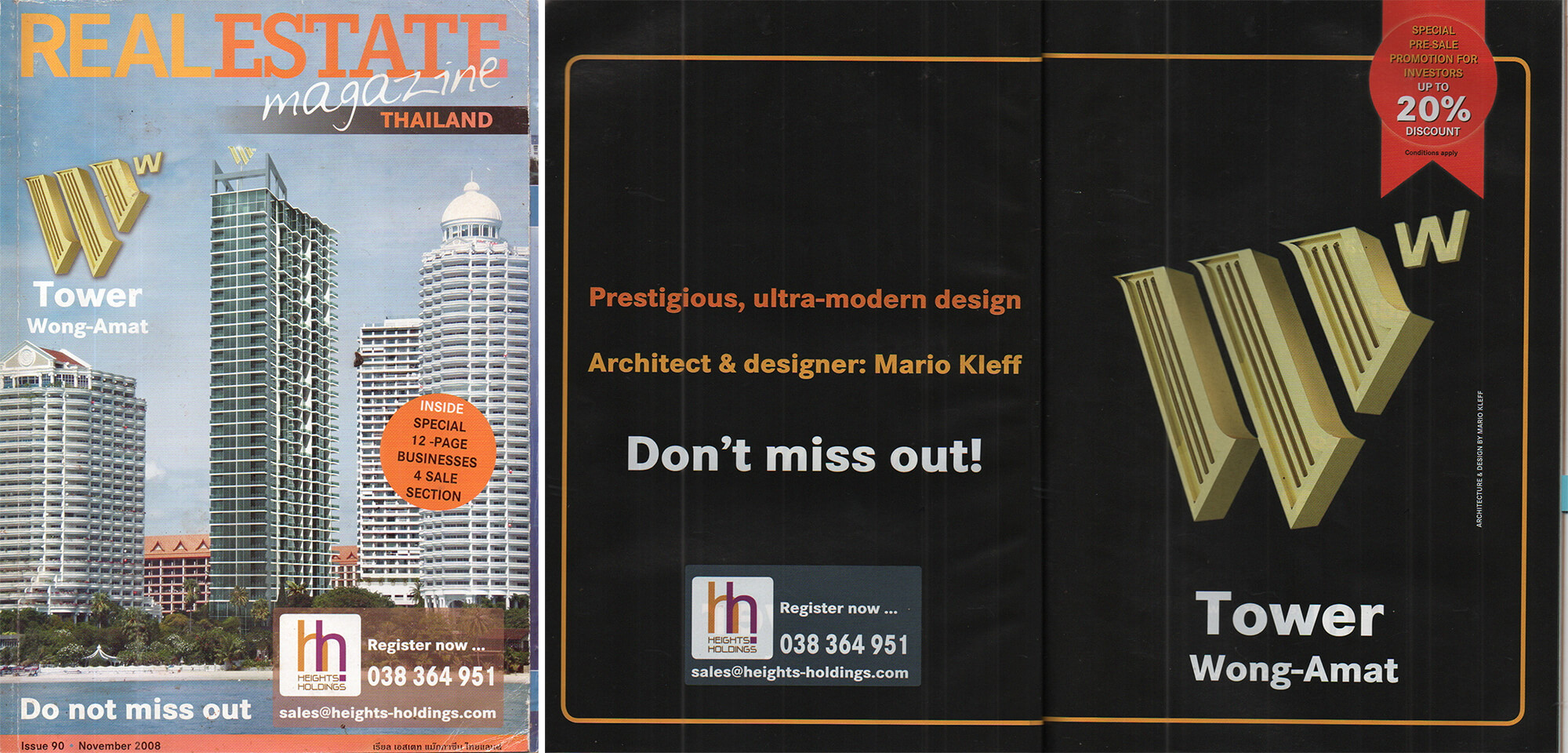
Wongamat Tower published by Heights Holdings in REm, 2008
While Kleff holds the copyrights, he has permitted modifications to the internal design.
Enter here to explore "Investment Potential for Investors".
Even in 2023, Wongamat Tower stands as a landmark to timeless architectural elegance, dominating the skyline of the upscale suburb of North Pattaya's Wong Amat. Its proximity to the pristine Long Beach adds to its allure.
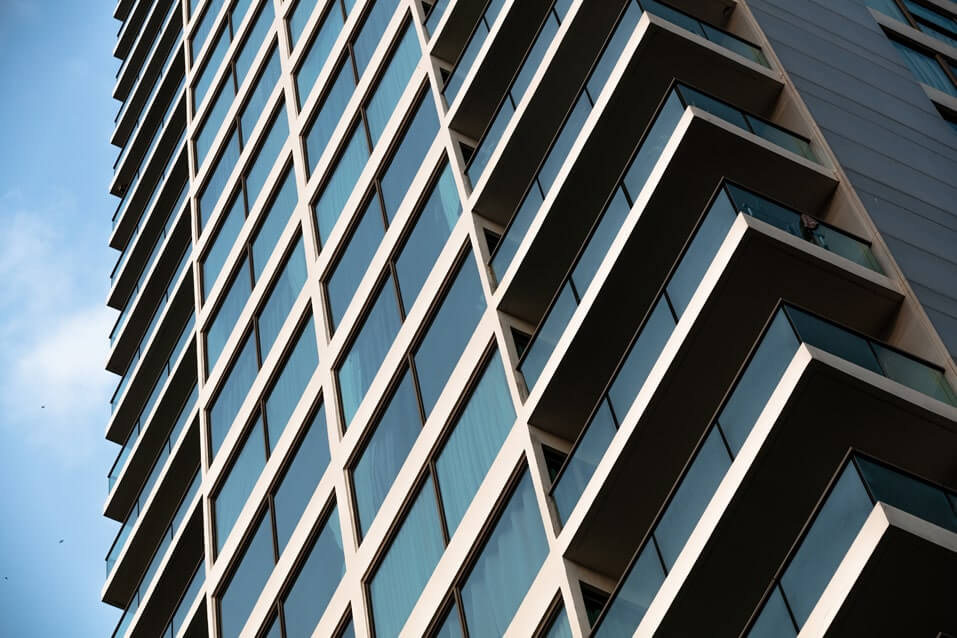
Sizeable windows, Wongamat Tower
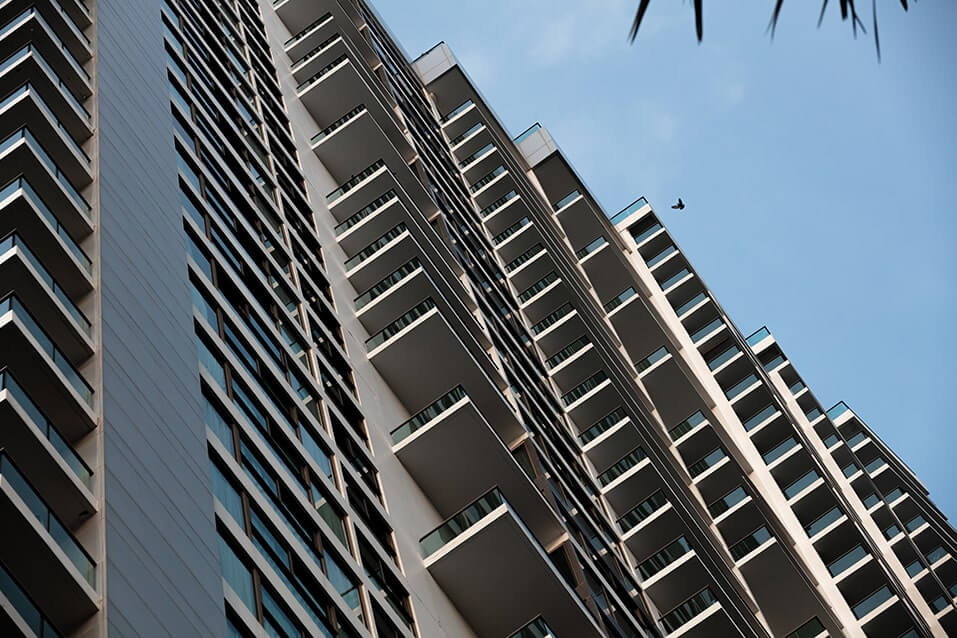
Design characteristics, Wongamat Tower
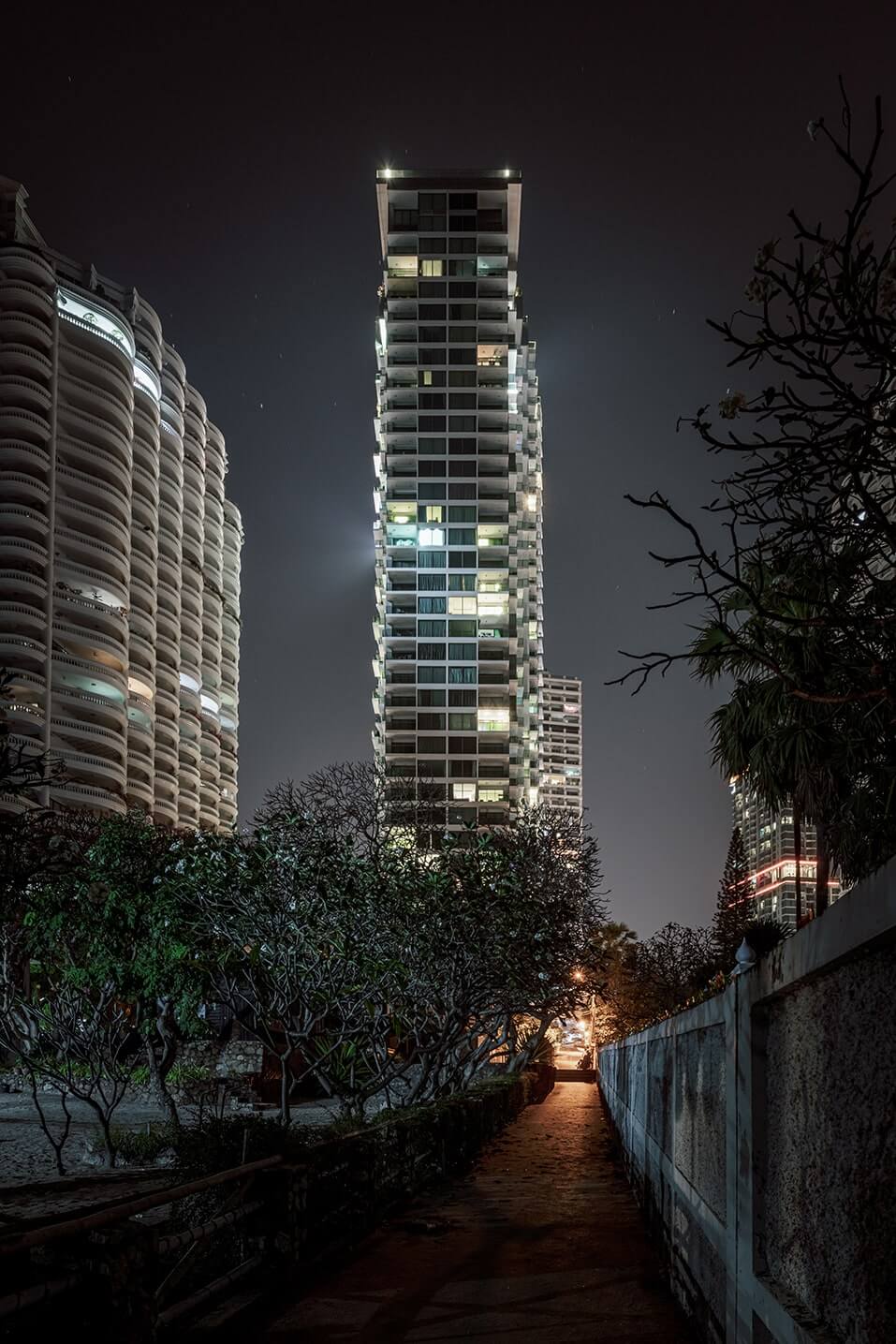
At night, Wongamat Tower
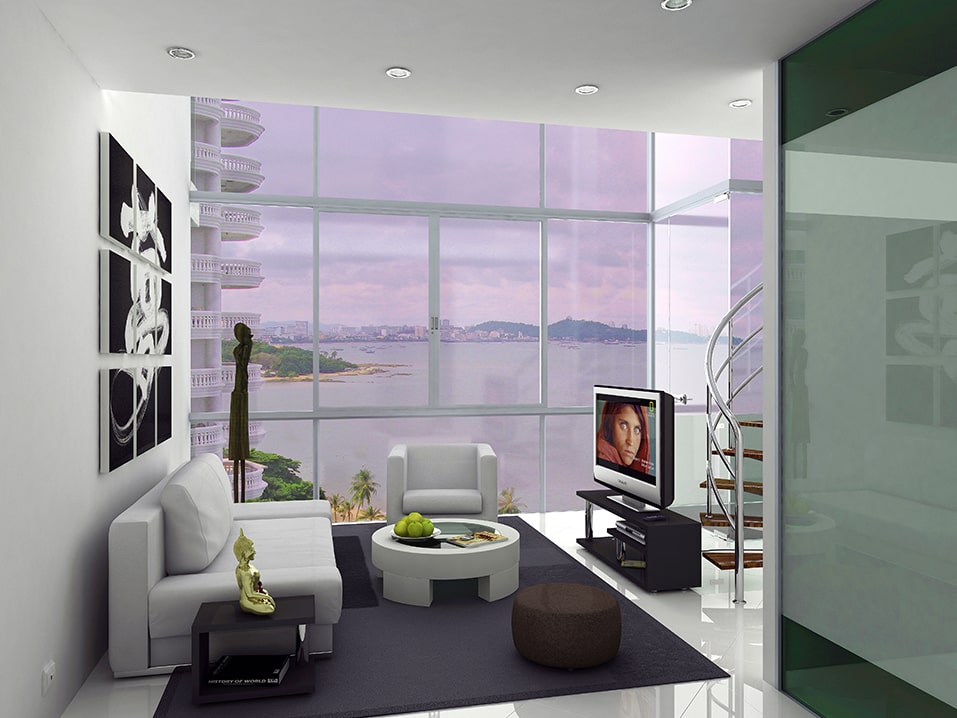
Render of a duplex unit, Wong Amat Tower
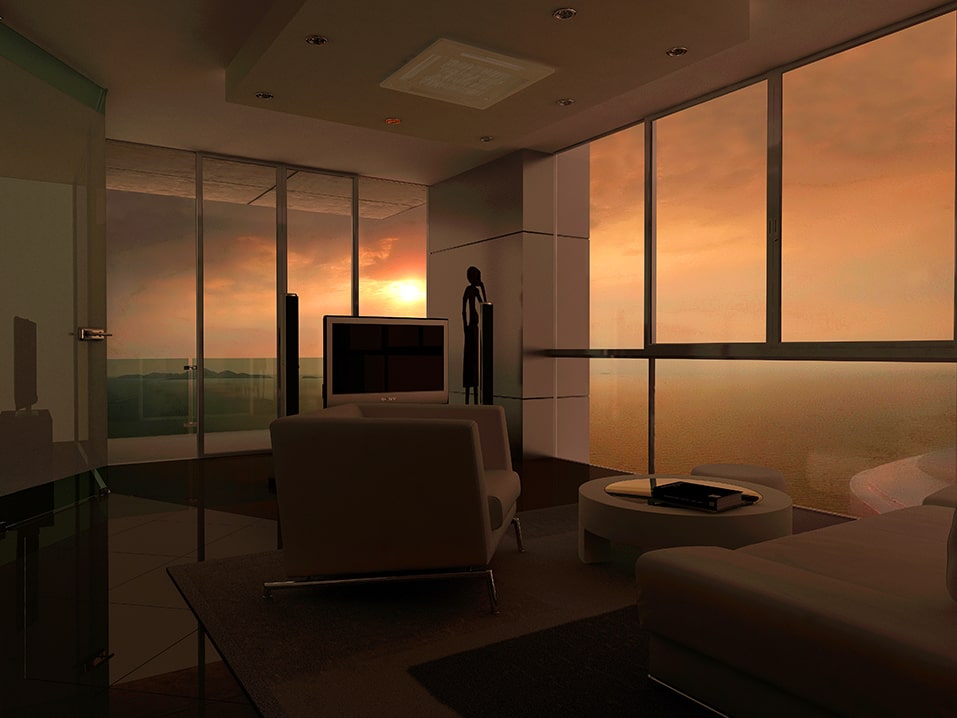
Render of a 2-bedroom unit, Wong Amat Tower
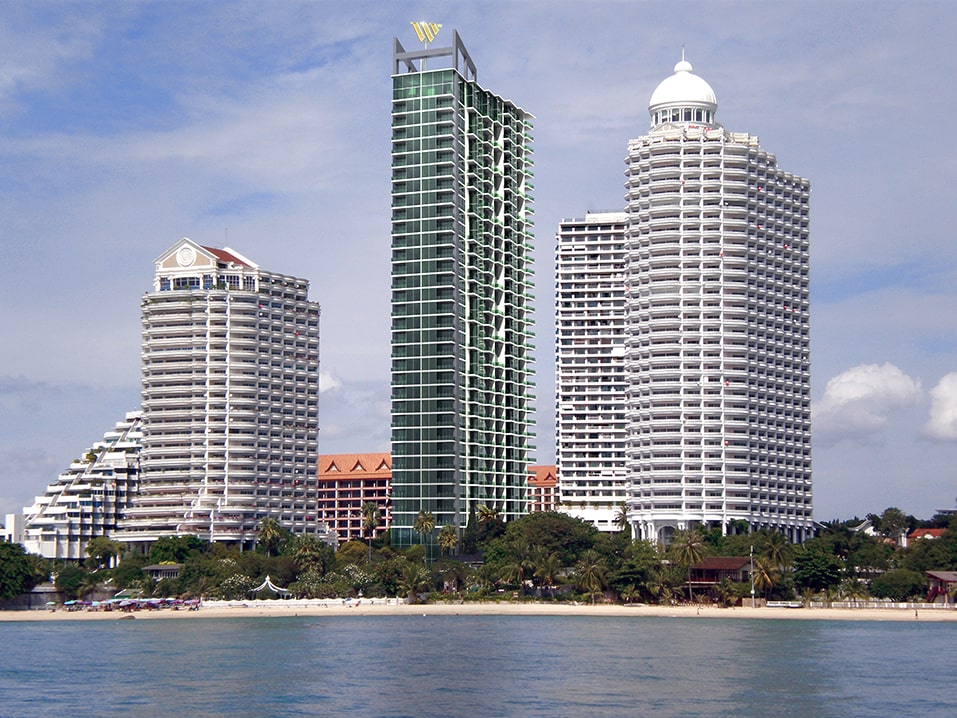
Render from the sea, Wong Amat Tower
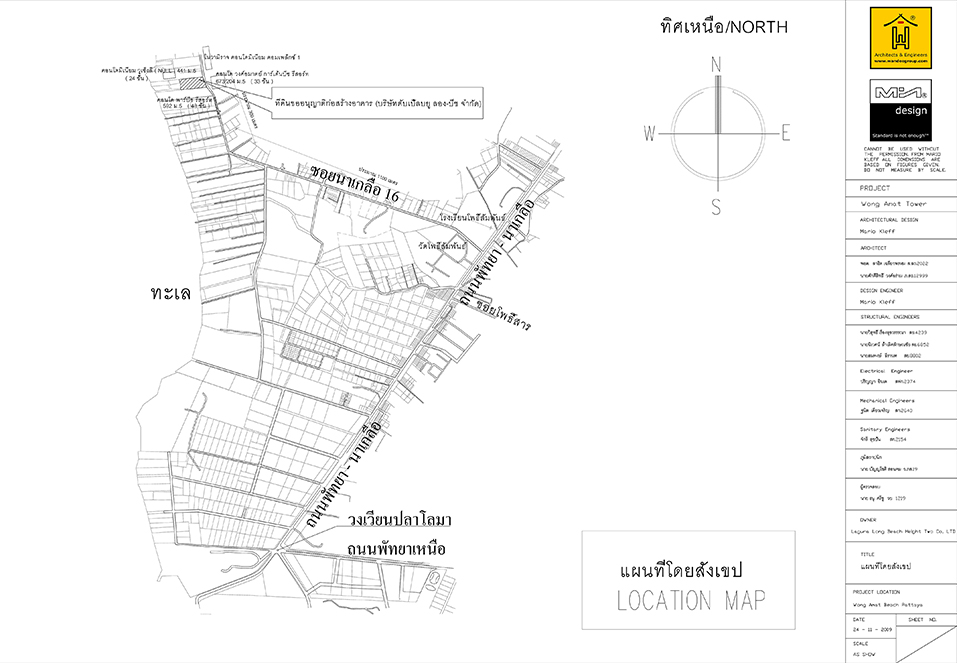
Location of the Wong Amat Tower, Na Kluae, Pattaya
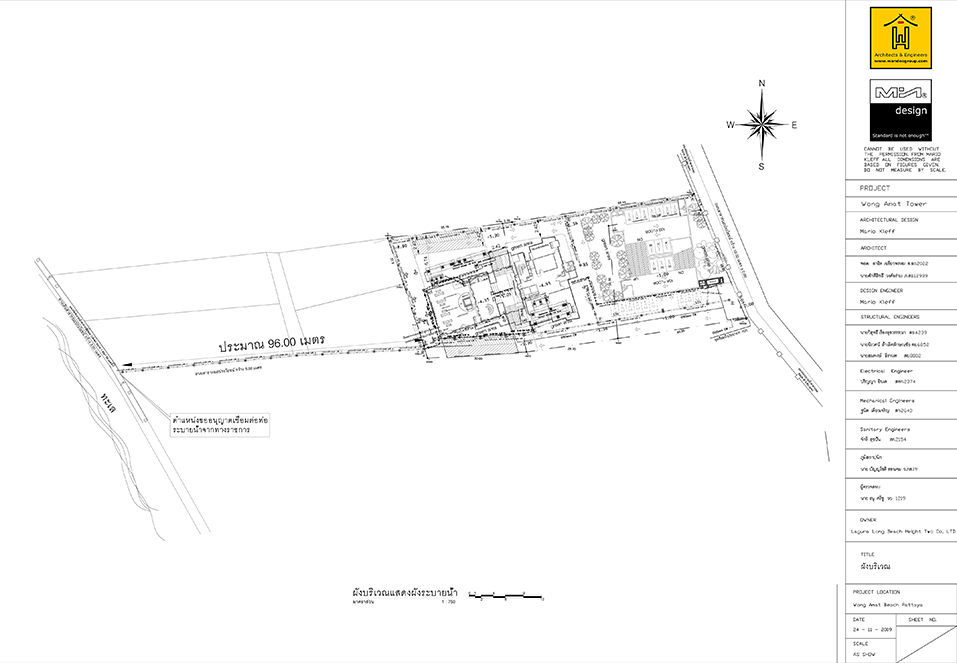
Master plan of the Wong Amat Tower, Na Kluae, Pattaya
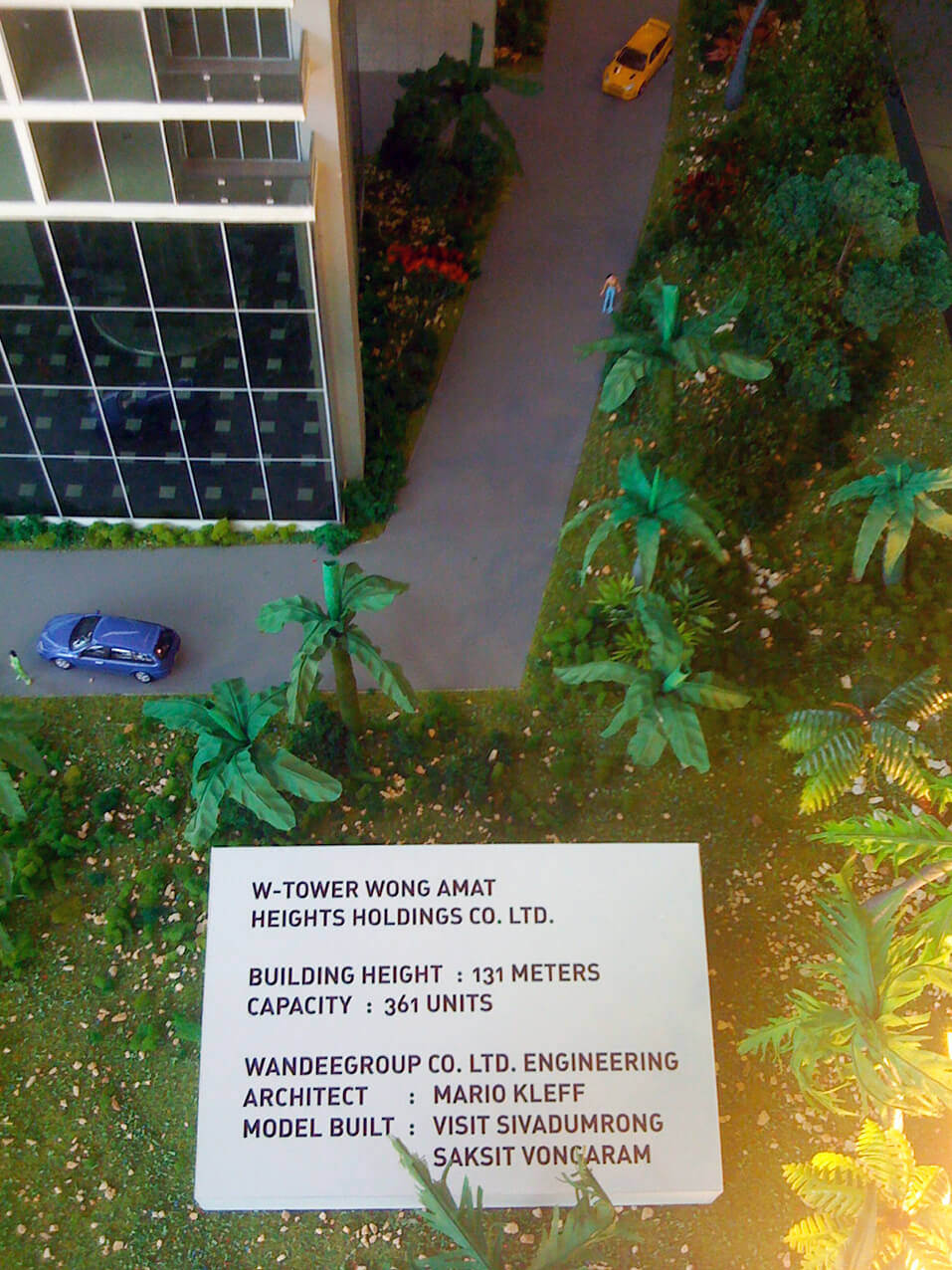
Scale Model Signature of the Wong Amat Tower, Wandeegroup, Pattaya
Using the Golden Ratio as an underlying framework, Mario Kleff shapes buildings that express architectural rhythm and structural intelligence. His mastery of spatial dynamics ensures that every element is precisely calculated to create a seamless, intuitive environment for both form and function.
The collaboration between Mario Kleff and Heights Holding's CEO, Haim Bar-David, was not always smooth. Initially, Kleff's Wandeegroup was the primary contractor for Wongamat Tower. However, differences over construction standards led to the termination of Wandeegroup's contract, with the Lock-BUILD Group completing the tower. Despite past disputes, the Wongamat Tower remains a beacon of Kleff's architectural prowess.
The 27-meter tall Showroom Wong Amat Tower, another signature design by Mario Kleff, was executed by Wandeegroup Asia Co Ltd.

Architect Mario Kleff and Haim Bar-David on the construction site Wong Amat Tower, Na Kluae, Wong Amat Beach
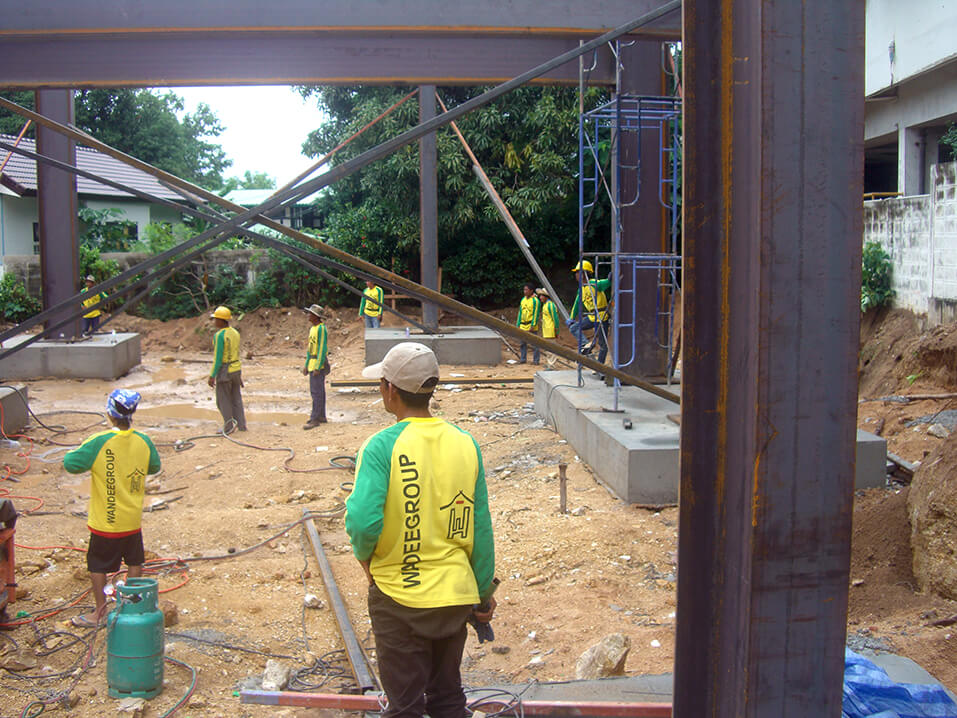
Wandeegroup workers on the Wong Amat Tower site, Na Kluae, Wong Amat Beach
The esteemed Wongamat Tower is the brainchild of globally renowned architect, Mario Kleff. Additionally, the 27-meter tall Showroom Wong Amat Tower, also a design by Kleff, was constructed by Wandeegroup Asia Co Ltd. For a detailed read, refer to the article titled Signature Design in Wong-Amat in the REm Thailand, available in PDF format.
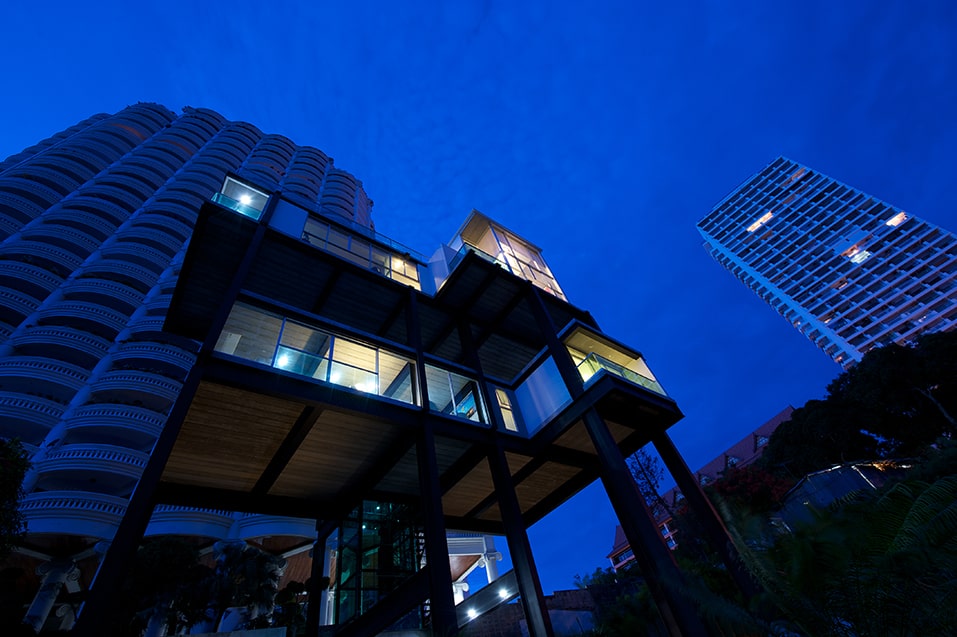
Showroom building, Wong Amat Tower
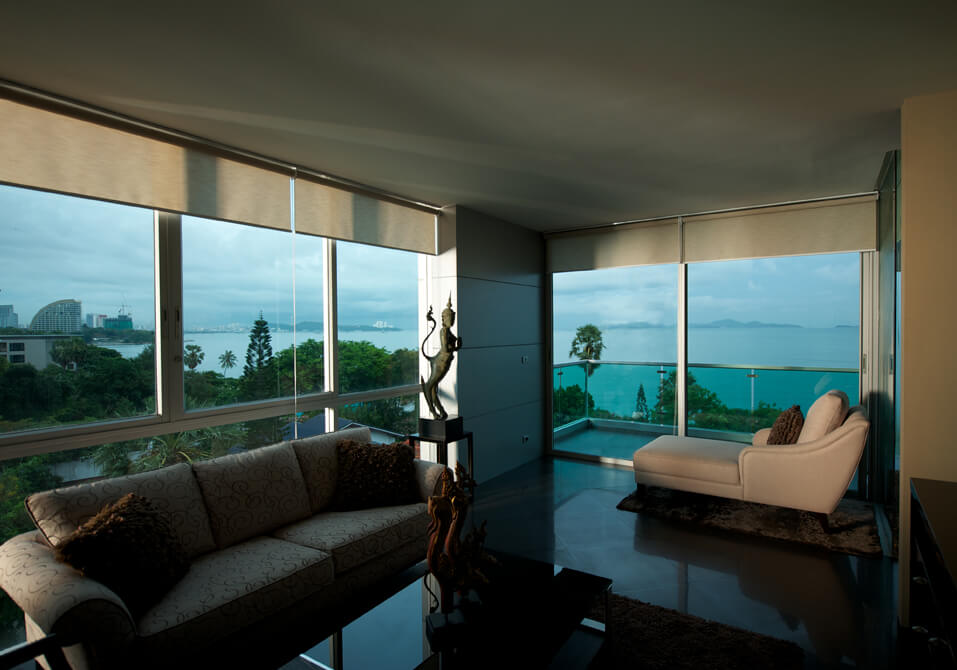
2 bedroom unit, Wong Amat Tower
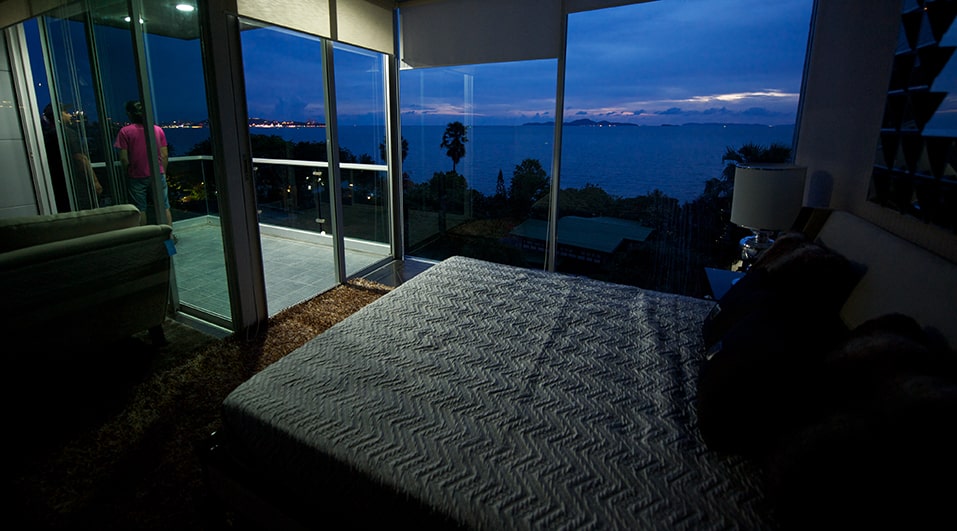
2 bedroom unit, Wong Amat Tower
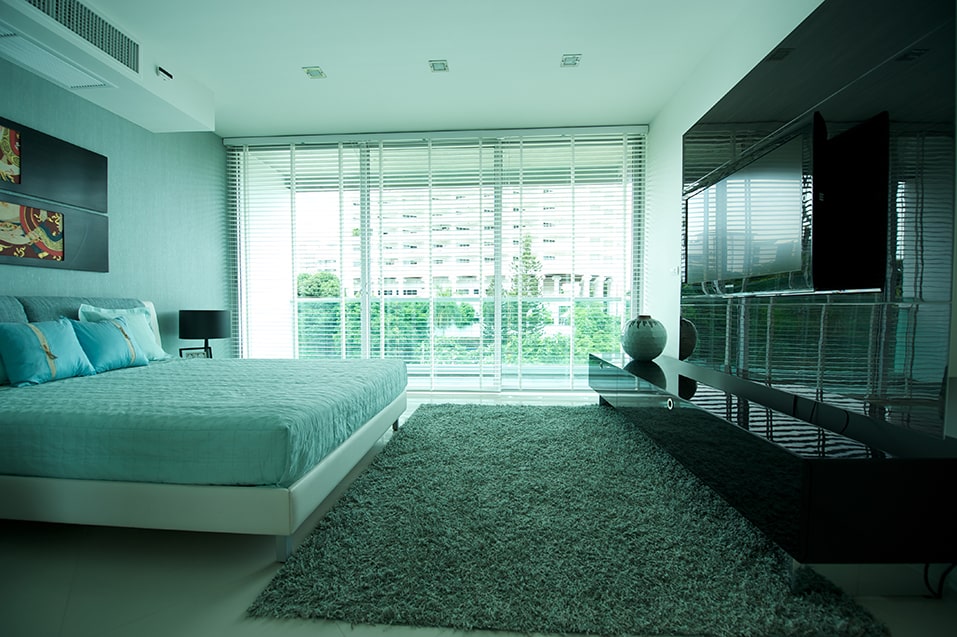
2 bedroom unit, Wong Amat Tower
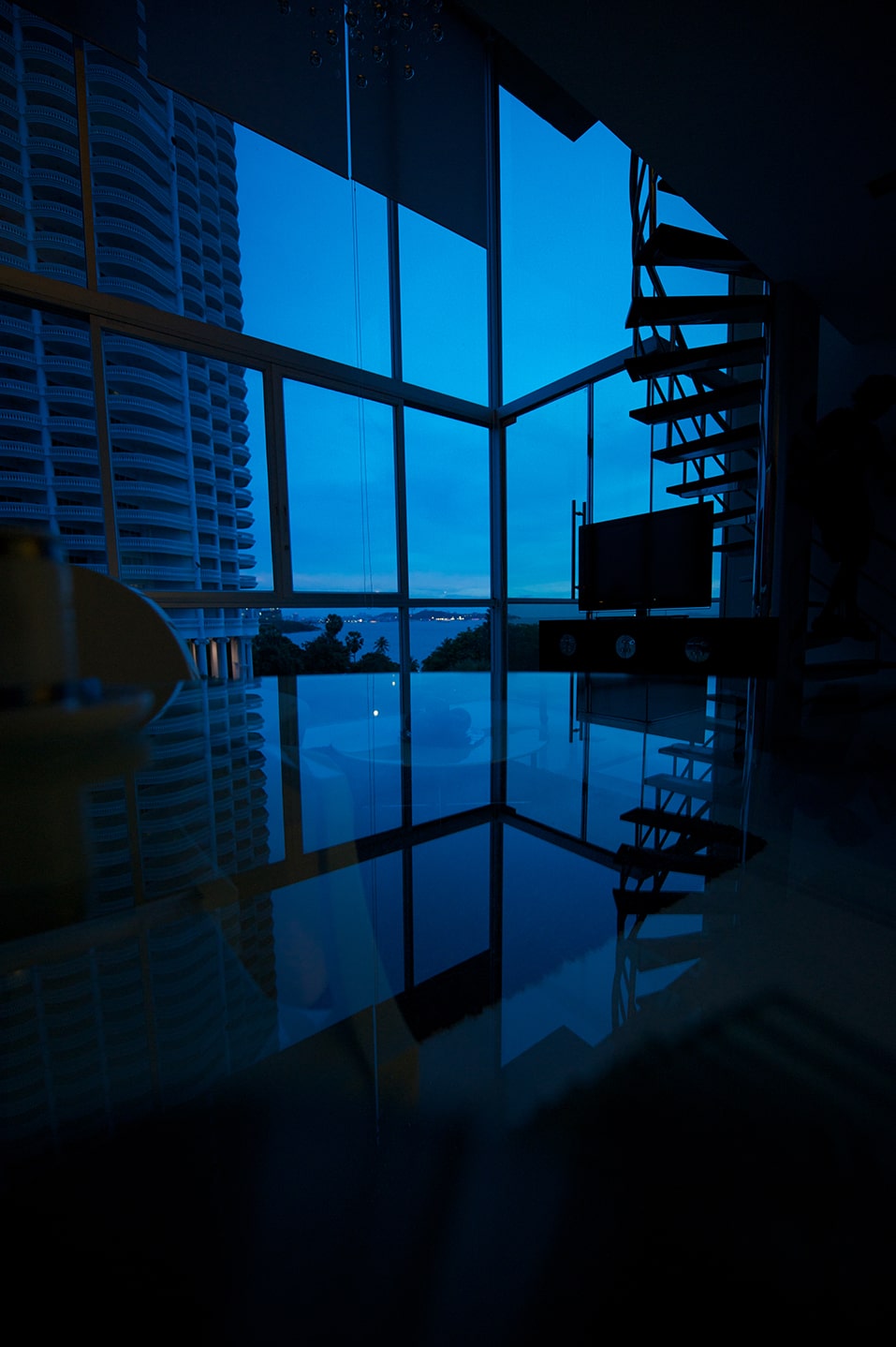
Duplex unit, Wong Amat Tower
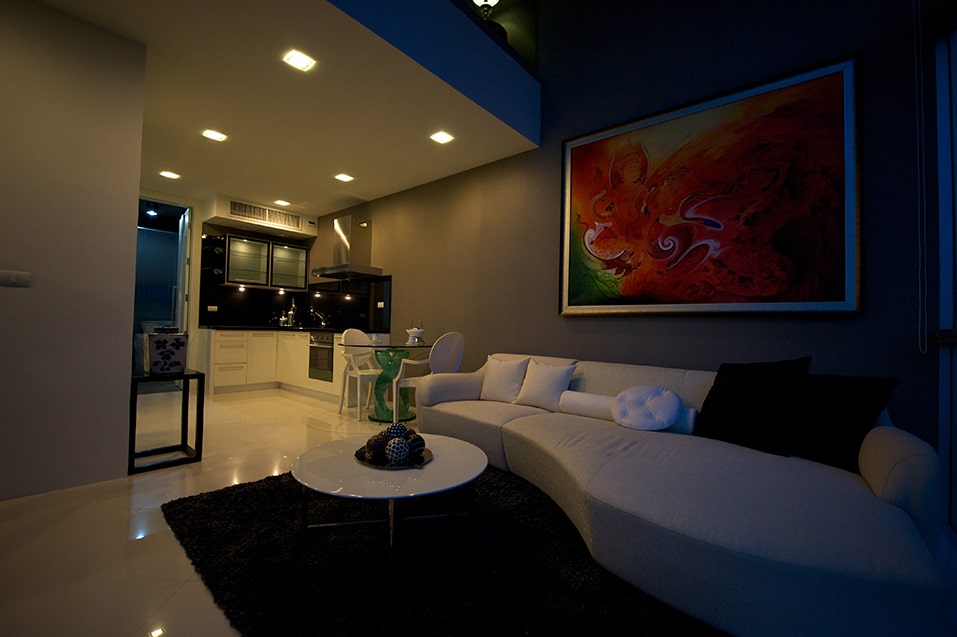
Duplex unit, Wong Amat Tower
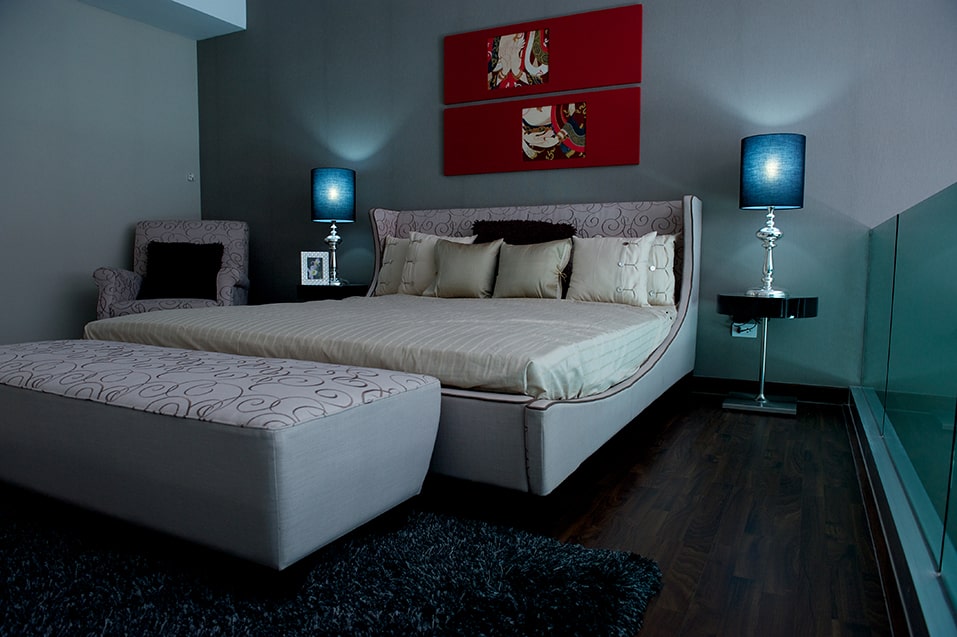
Duplex unit, Wong Amat Tower
Issues arose when Haim Bar-David credited another individual for Kleff's designs, resulting in public retractions and apologies. Bar-David's decision to deviate from initial design plans, aiming to reduce costs, impacted the reputation of both the architect and the Wandeegroup. Consequently, Mario Kleff concluded his partnership with Bar-David post the Laguna Bay series design.
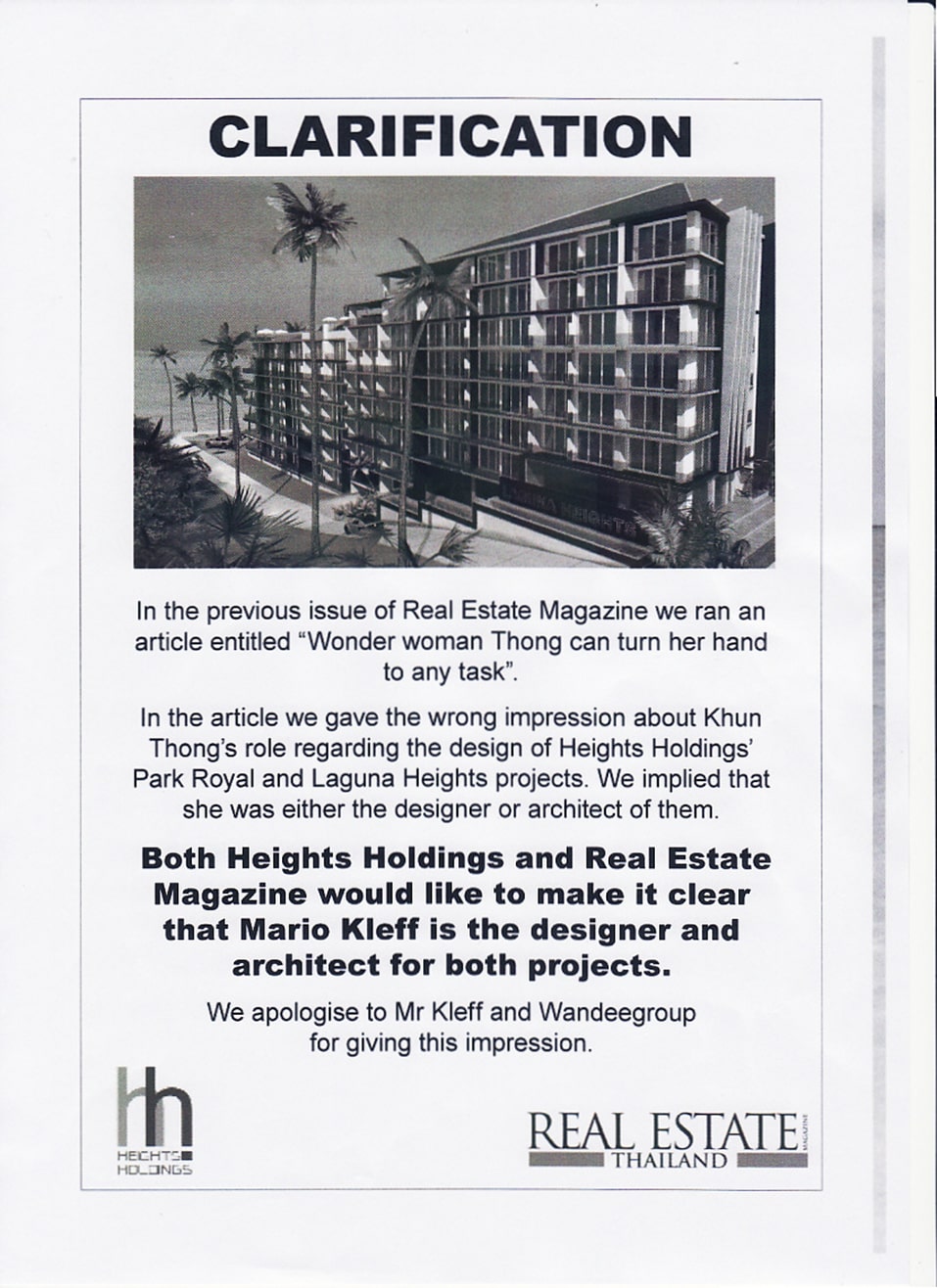
Clarification and apology to Mario Kleff, REm 2008
Enter Build Pattaya for showroom news.
Visit Mario Kleff: Creative Architect or Business Genius Year 2009.
Find out more Architect Mario Kleff: Breaking Pattaya Design Limits!.
Explore Architect, Designer, Interior and Decoration Differences