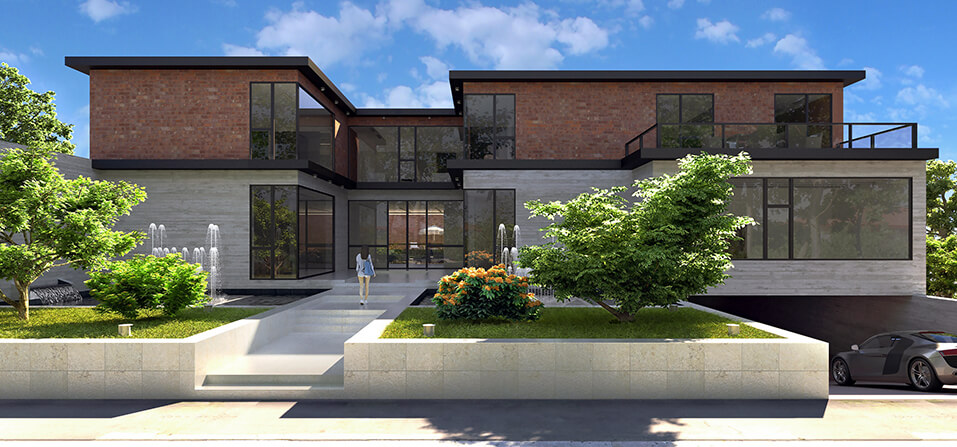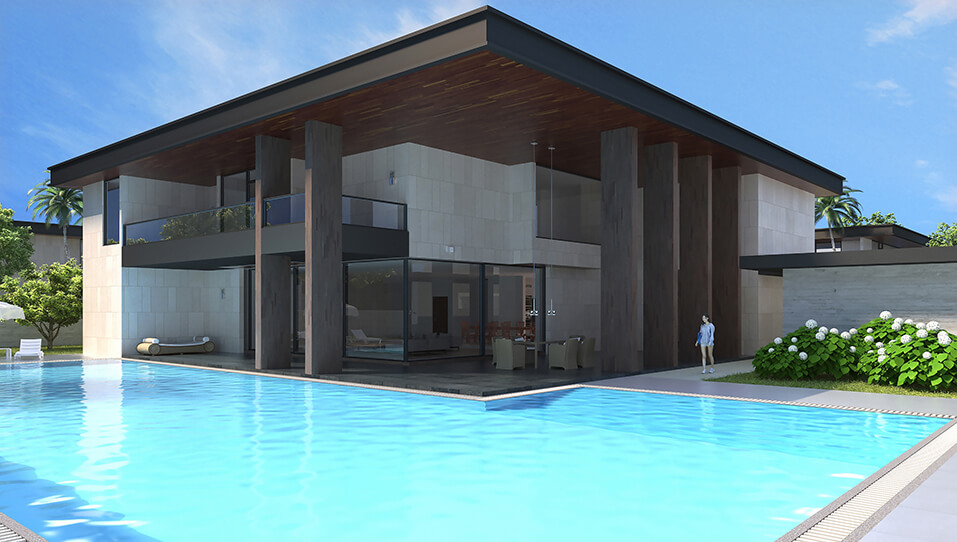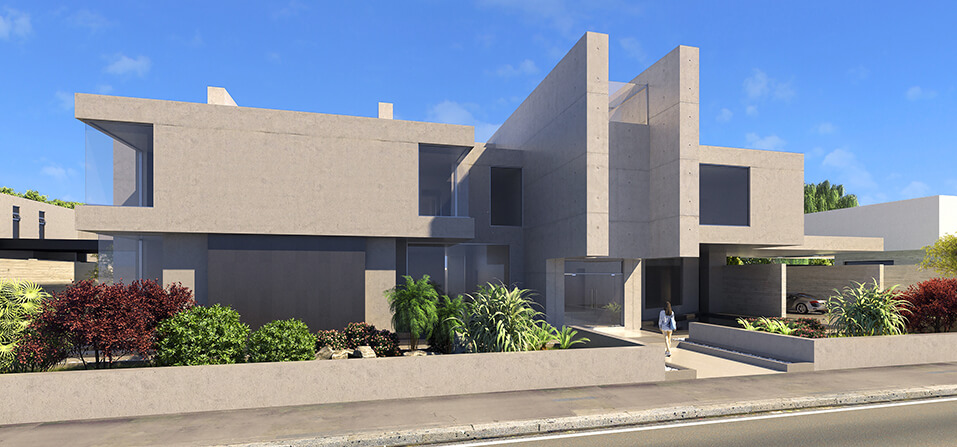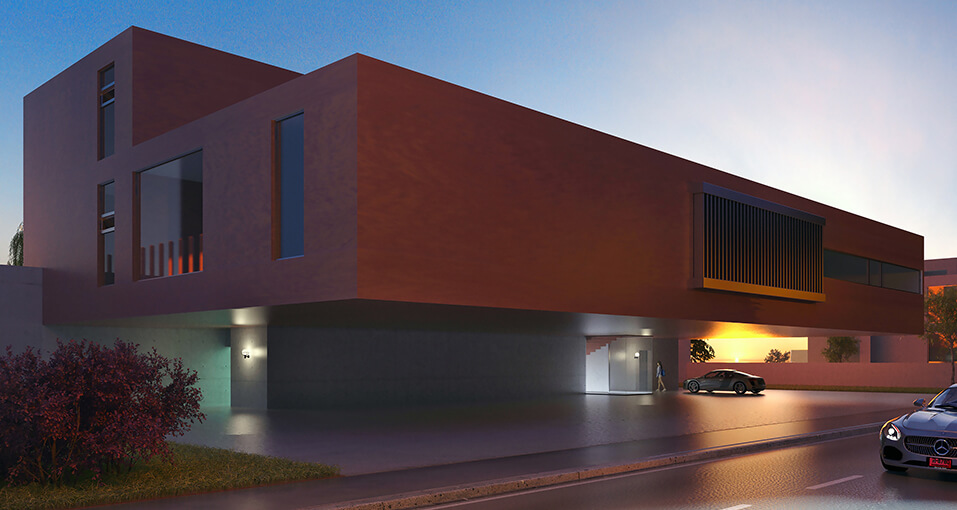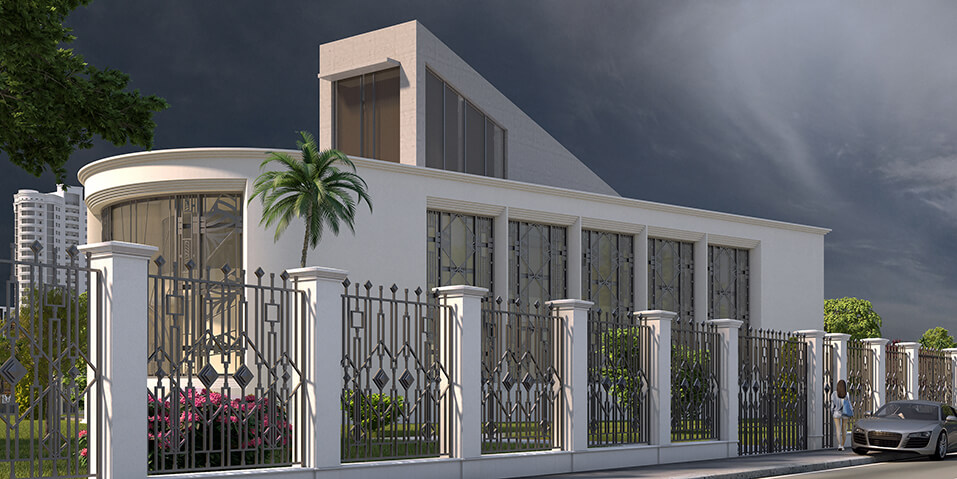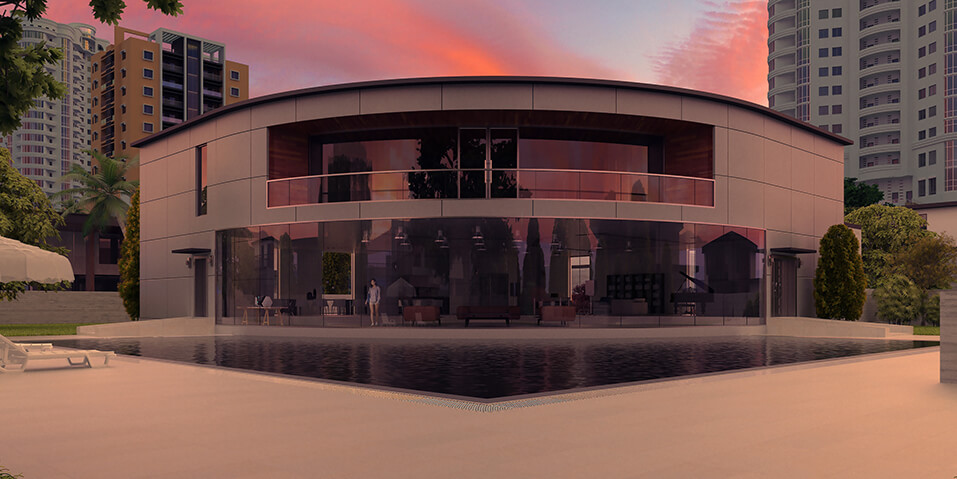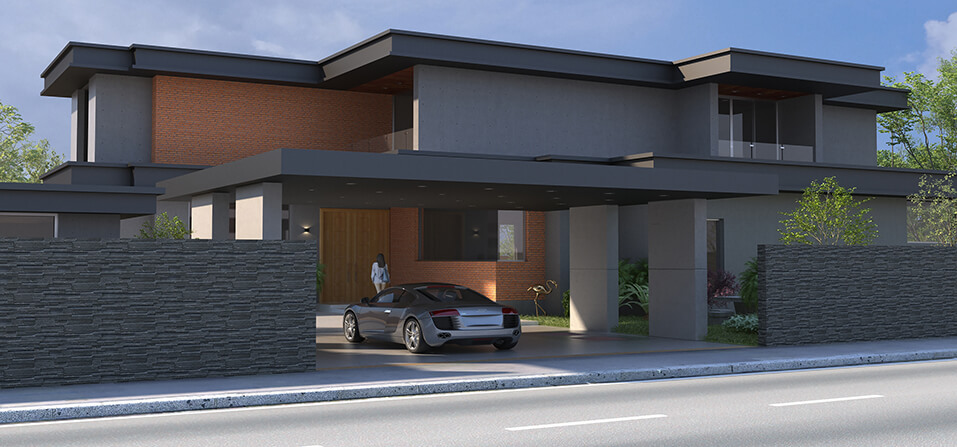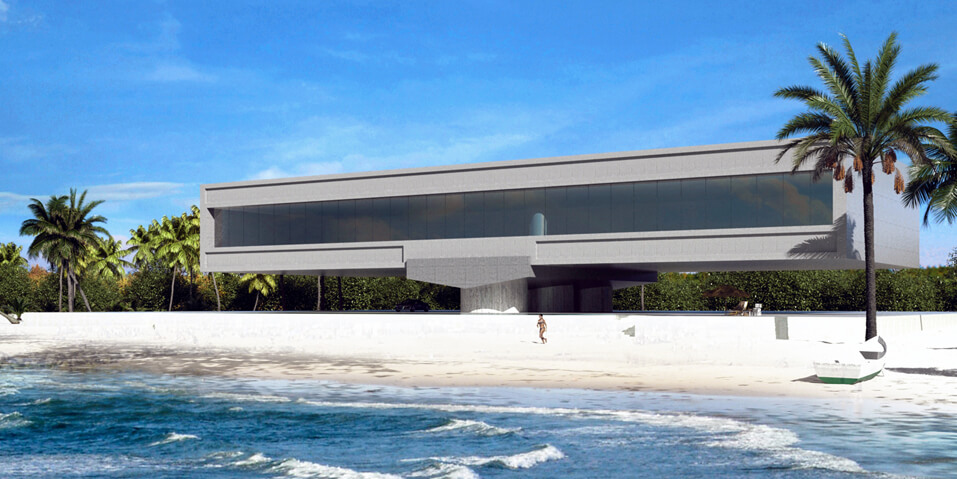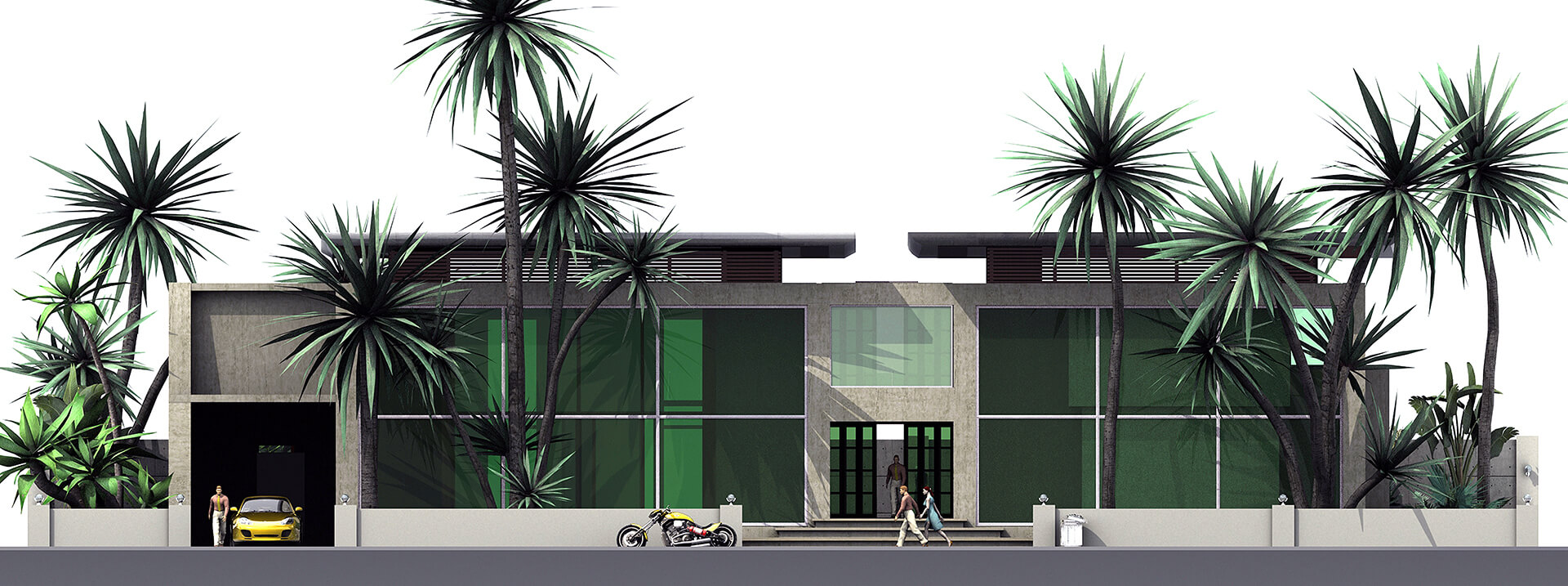
Luxury Pool Villas Designed by Mario Kleff in Pattaya
Mario Kleff’s luxury pool villas in Pattaya are guided by a structural philosophy summarized as “Structure is Design.” Architectural forms emerge directly from load-bearing systems, establishing a design language where structure informs both spatial organization and aesthetic expression.
Key projects include a 48-meter cellular beam, reinforced concrete beams spanning approximately 30 meters, and Japanese House II, noted for its distinctive brutalist expression. These works illustrate the integration of advanced structural engineering with residential design, showing how engineering decisions shape spatial quality and architectural form.
These projects were developed under direct architectural and construction coordination, reflecting applied structural design in built residential environments.
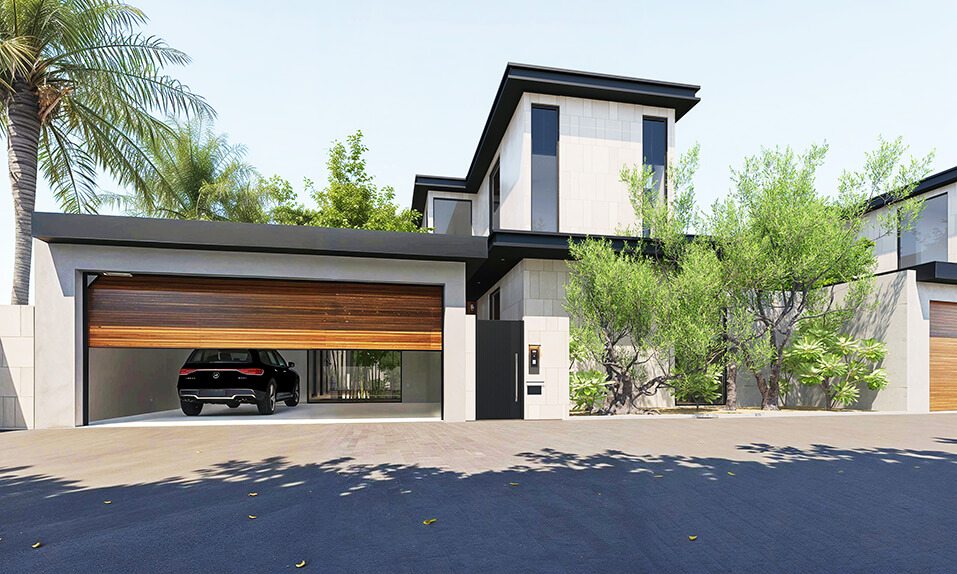
Villas such as Zenith Residences Pattaya, Majestic Residence Signature, and Lieb Tang Rodfai Villas, alongside Japanese House II, consistently apply this structural approach across multiple development phases. Some of these projects have been referenced in independent architectural coverage, such as Archello – Majestic Residence, highlighting engineering-driven design solutions.
Structure as the Foundation of Architectural Design
The principle “Structure is Design” emphasizes structural systems as the primary drivers of architectural form. In Kleff’s villas, load-bearing elements guide:
- Spatial continuity and openness
- Proportional and geometric relationships
- Circulation patterns and zoning
- Overall architectural expression
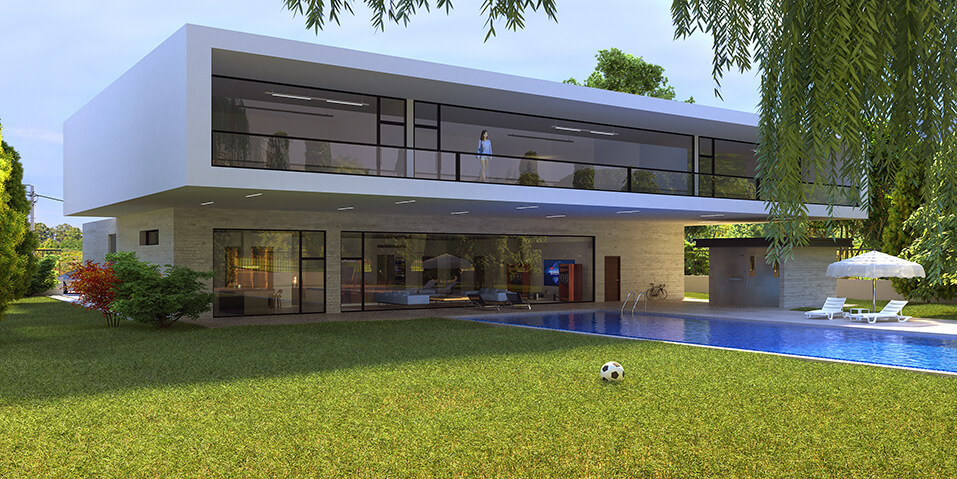
Long-span and cantilevered systems reduce or eliminate internal supports, creating column-free interiors, uninterrupted views, and fluid spatial sequences.
This approach reflects widely recognized principles in structural and architectural engineering, where long-span systems and cantilever strategies are used to achieve spatial efficiency and formal clarity in contemporary design (Encyclopaedia Britannica – Long-span structures).
The Thaiger commentary notes that Kleff’s use of long-span and cantilevered structural elements reflects a deliberate integration of engineering and architectural design, balancing structural performance with clear visual expression.
Proportion and Harmony: The Golden Ratio in Kleff’s Designs
Beyond structural considerations, Kleff’s villas incorporate classical principles of proportion. The Golden Ratio (φ ≈ 1.618) has historically guided architects to produce spaces perceived as balanced and harmonious, supporting visual and spatial coherence.
The Golden Ratio has been extensively documented in architectural theory and history as a proportional system associated with visual harmony and spatial balance (Encyclopaedia Britannica – Golden Ratio).
In villas such as Bamboo Luxury Villa, Majestic Residence Signature, and Japanese House II, proportional systems complement structural rigor. Even when engineering requirements dictate form, these ratios provide a subtle geometric framework aligning space, form, and structure, reflecting architectural principles acknowledged in both classical and modern contexts.
Signature and Trademark Architecture by Mario Kleff
The consistent application of structural logic across Kleff’s projects establishes a recognizable architectural language, forming a coherent design approach. Each villa illustrates structural authorship through span planning, material choices, and formal organization.
This approach exemplifies trademark architecture: a design methodology in which structural strategy, material execution, and aesthetic intent are systematically integrated to form a consistent architectural identity. This interpretation aligns with established architectural theory—particularly the concept of tectonics, which describes the integration of structure, material expression, and design intent into a coherent architectural language (Science Direct: Tectonics & Architectonic, 2021).
Case Studies of Luxury Pool Villas
Case Study I: Lieb Tang Rodfai Villas – ~30-Meter Concrete Beams
At Lieb Tang Rodfai Villas, reinforced concrete beams spanning approximately 30 meters support extended floor plates and minimize structural segmentation. These long spans facilitate continuous interior spaces, illustrating the use of large-scale structural strategies within high-end residential design. (Thailand Construction News, 2022)
Case Study II: Majestic Residence Signature Villa – 48-Meter Cellular Beams
The 48-meter cellular steel beam at Majestic Residence Signature Villa functions as a primary load-bearing element within a composite system, enabling column-free interiors and expansive residential spans. (Thailand Construction News, 2021)
Case Study III: Japanese House II
Located on Phra Tamnak Hill, Japanese House II represents an early application of Kleff’s structural approach. The villa integrates reinforced concrete walls, large-span beams, and steel reinforcement into a cohesive structural system.
- Concrete walls extending the full building height
- Steel beams reinforcing slabs and girders
- Spatial organization centered on an internal courtyard with swimming pool
- Reduced ground-level façade openings to enhance structural integrity
Japanese House II demonstrates that architectural identity can emerge from structural configuration rather than external stylistic references. Its design concept, inspired by the Japanese symbol for “home,” emphasizes the integration of structural logic with spatial meaning. (Build Pattaya, 2025)
Case Study IV: Villa Futureproof
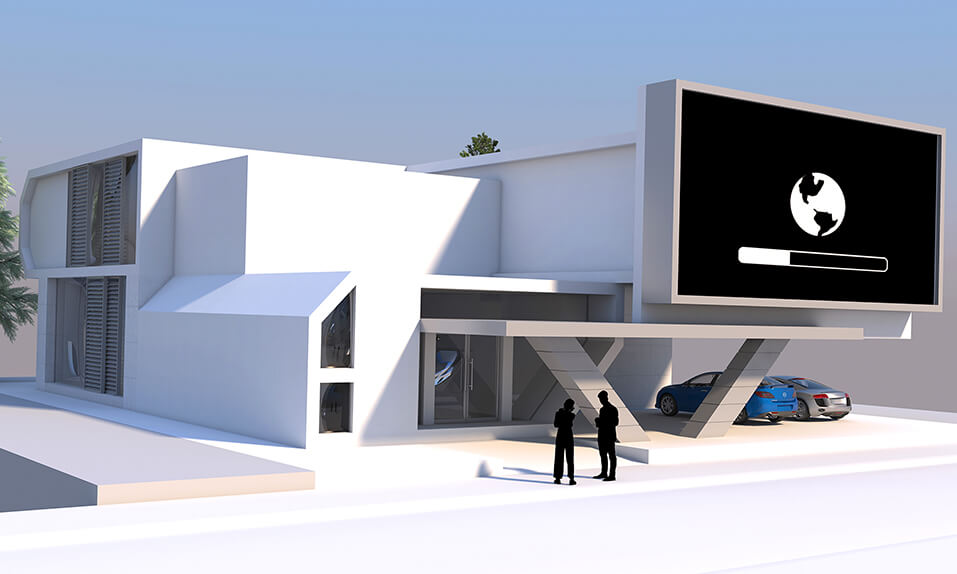
Villa Futureproof blends contemporary aesthetics with advanced engineering. Its “futureproof” concept emphasizes durability, flexibility, and adaptability for evolving residential needs. The project is illustrated by a documented scale model, which highlights its dynamic rooflines and expansive glass façades, reflecting its forward-looking architectural approach (source).
Integration of Design and Construction
All villa projects by Mario Kleff are developed under a coordinated process through Wandeegroup Asia, providing direct oversight of structural design, material selection, and construction execution. This integrated approach ensures alignment between the intended structural systems and the final built form, minimizing discrepancies and maintaining architectural integrity. (Wandeegroup, Colin Roberts, 2021)
Mario Kleff is an architect based in Pattaya, Thailand, associated with Wandeegroup Asia, where his work focuses on structurally driven residential design integrating engineering, material systems, and architectural form.
Architectural Outcome
Across these projects, the architecture can be characterized by:
- Structural systems acting as primary drivers of design
- Spatial organization shaped by load-bearing logic
- Form derived directly from engineering principles
The evolution from Japanese House II to later long-span villas reflects a progression from early conceptual approaches to more advanced applications, maintaining a consistent methodology across different scales and design challenges.
Mario Kleff’s portfolio includes high-value residential projects, reflecting advanced architectural and construction standards.
These villas combine advanced engineering, high-performance materials, and bespoke spatial planning, supporting long-term durability and functional adaptability.
The portfolio demonstrates how engineering principles inform spatial configuration, formal expression, and overall architectural character.
Conclusion on Mario Kleff's Modern-Luxury Pool Villas
Mario Kleff’s luxury pool villas in Pattaya demonstrate how structural design principles directly shape residential architecture, from spatial organization to overall form. Projects such as Japanese House II and later long-span villas illustrate a consistent methodology in which engineering systems define both function and architectural expression.
These works form part of a broader portfolio of built and developed projects, reflecting the integration of architectural design and construction practice (selected buildings and architectural projects).
Within this framework, architectural identity is established through structural authorship, with load-bearing systems guiding spatial composition, proportion, and formal clarity.
Frequently Asked Questions: Luxury Pool Villas in Pattaya
What defines luxury pool villa design in Pattaya?
Luxury pool villas in Pattaya are characterized by open-plan layouts, long-span structural systems, and integration with outdoor environments such as pools and landscaped areas. These features support spatial continuity, natural light, and functional flexibility in high-end residential design.
How does structural design influence villa architecture?
Structural systems directly shape spatial organization, proportions, and overall architectural form. Long-span beams and cantilevered elements enable column-free interiors and flexible layouts, allowing engineering principles to define both function and visual expression.
Why are long-span structures used in luxury villas?
Long-span structures reduce the need for internal supports, creating larger uninterrupted spaces and enhancing openness. This approach improves circulation, maximizes views, and aligns with contemporary architectural design strategies.
What makes Pattaya a location for luxury villa development?
Pattaya’s coastal setting, expanding high-end property market, and demand for modern residential architecture have contributed to the development of villas that integrate engineering, design, and lifestyle features.
Investment Context for Luxury Residential Projects in Pattaya
Mario Kleff’s luxury pool villas in Pattaya represent high-end residential architecture defined by structural innovation, spatial clarity, and material precision. The portfolio spans contemporary city villas to beachfront properties, demonstrating the application of advanced engineering and refined design across diverse contexts.
These projects highlight key characteristics of Pattaya’s luxury housing market, including open-plan layouts, long-span structures, and strong integration with pool and landscape environments. Such features support durability, functional flexibility, and long-term value in high-end residential development.
The publication Capital, Development and Mario Kleff examines these architectural and structural qualities within the broader context of Pattaya’s property market, positioning the villas within contemporary luxury development.
Author: Mario Kleff – Architect and designer of luxury residential projects in Pattaya, specializing in structural-driven architectural design.