
| Architect Brand | |
| Pattaya, TH | |
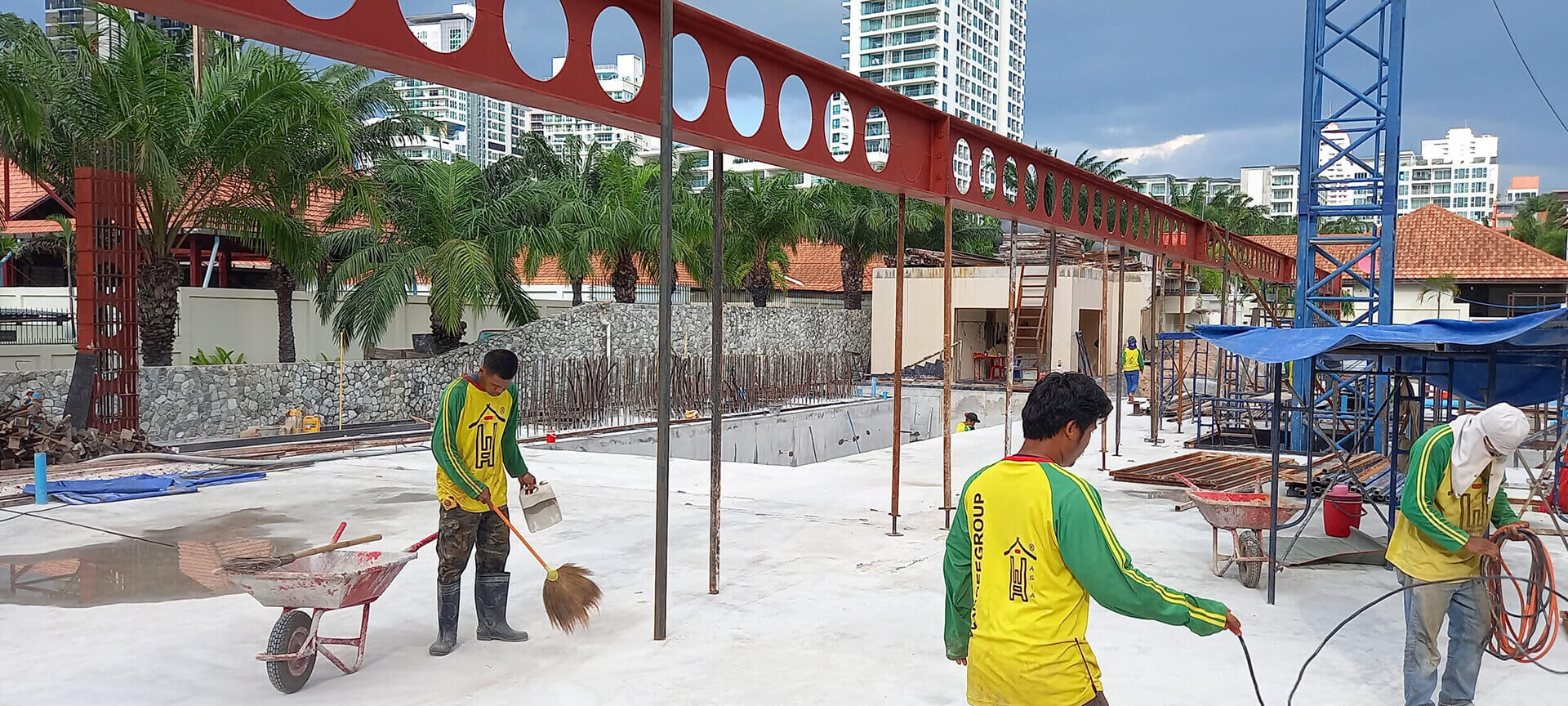
| Thailand architectural Feat: Mario Kleff's 48m cellular beam. This innovation, showcased in Pattaya's Majestic Residence, is a record in engineering and construction. | |
| Email Mario Kleff | |
| +66643196283 | |
| +66643196283 | |
| LINE | wandeegroup.asia |
| Google | Mario Kleff ® Signature | |
| YouTube | Mario Kleff | |
| mariokleff.official | |
| mario.kleff | |
| mariokleffwandeegroup | |
| KleffMario | |
| FAQ about the brand | |
| Index mario-kleff.com |


Pattaya October 2, 2021: The architectural landscape of Pattaya has been notably transformed by Mario Kleff, a pioneer in span systems techniques. Kleff's introduction of the cellular beam to Thailand has redefined construction possibilities, particularly evident in his projects on Phra Tamnak Hill and Wong Amat Beach in Naklua. This article provides information of the remarkable installation of the longest cellular beam in a residential building in Thailand, highlighting Kleff's innovative contributions to construction engineering.
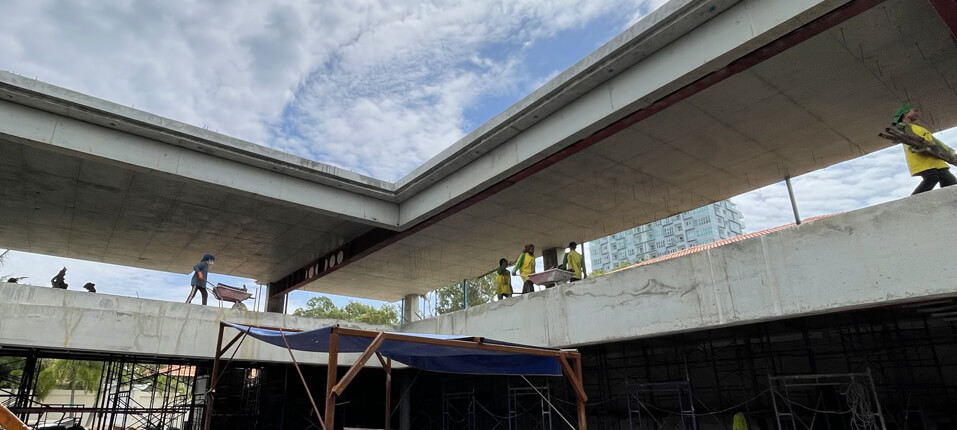
Image: Structure with a 48 Meter Long Cellular Beam in 2021.
Mario Kleff is renowned for his expertise in various span systems techniques. His journey in Thailand began in 2007 when he introduced the cellular beam to the country's construction authorities for the Club Royal condominium project. The first implementation was completed with Park Royal 2 in 2008. This development was the first residential project in Thailand to incorporate both cellular beams and post-tensioned concrete slabs, showcasing long-span engineering with cellular beams extending up to 41.5 meter. This introduction marked a significant advancement in Thai construction engineering, setting a precedent for future projects.
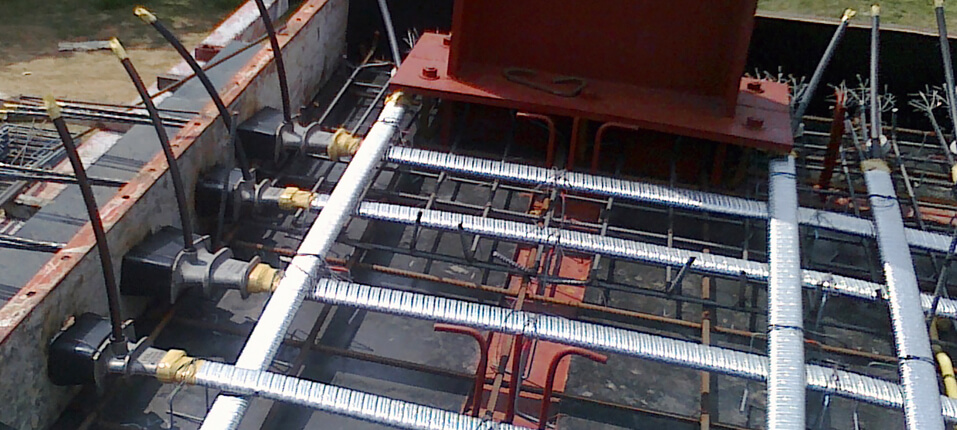
Image: Composite Structure Design with Cellular Beam by Mario Kleff in 2008.
Founded in 2005, Wandeegroup Thailand has been at the forefront of innovative construction in Pattaya. In 2021, it was rebranded as Wandeegroup Asia, continuing to serve as the general contractor for Kleff's projects. The formation of Wandee Super Span, a subsidiary focusing on span systems in the Pattaya region, further solidified the group's commitment to pushing the boundaries of construction engineering.
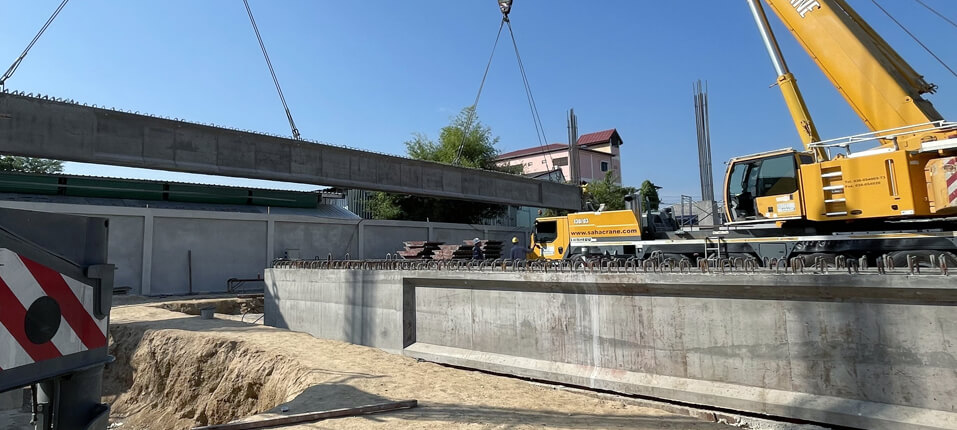
Image: 30 Meter long Prestressed Concrete Beams by Mario Kleff in 2022.
In June of the current year, under the direction of CEO Mario Kleff, Wandeegroup Asia commenced work on the new structure, the award-winning Majestic Residence Signature Villa at Phra Tamnak Hill. The substructure work involved the installation of over 100 piles and large concrete foundations, ensuring a stable and secure base for the residential building. The foundation construction utilized 100 tons of steel and 700 cubic meter of high-strength concrete mix.
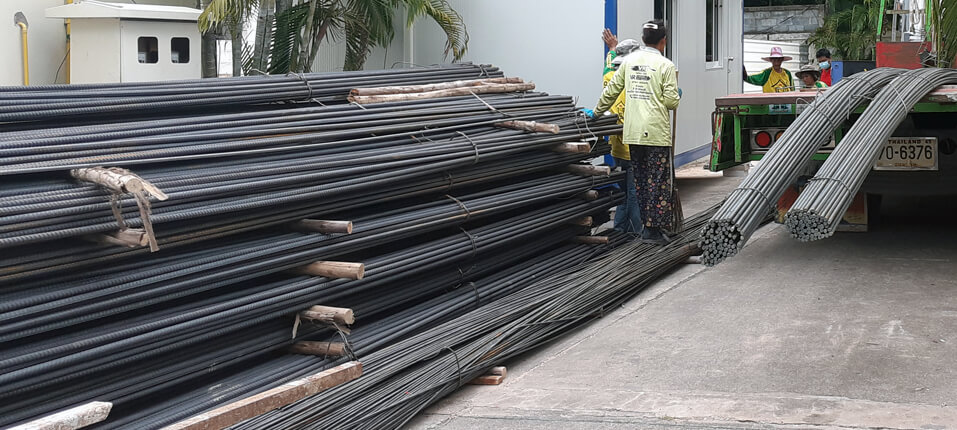
Image: Delivery of 100 Tons High-Grade Steel at Majestic Residence Village on Phra Tamnak Hill.
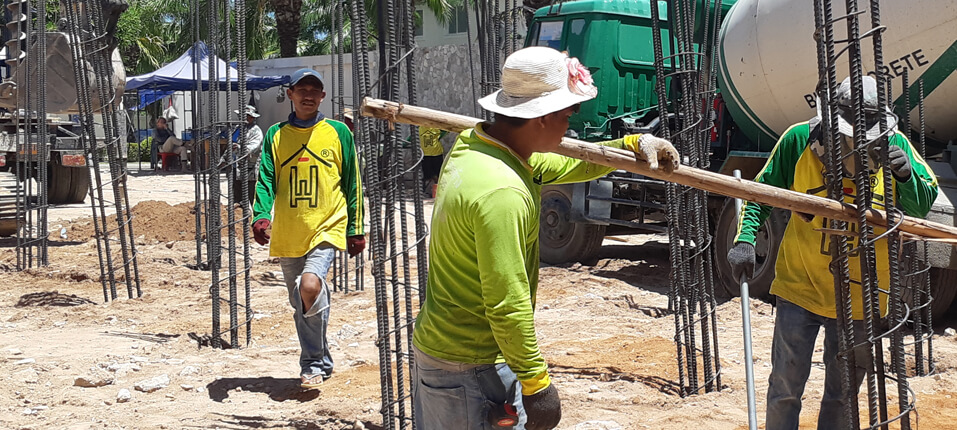
Image: Installation of over 100 Piles (Underpinning) at Majestic Residence Signature Villa.
In early March 2022, the Majestic Residence construction site received a delivery of 50 tons of custom-fabricated steel, including box girders and cellular beams. These components were integral to the construction of the two upper floors, which were supported by a 48-meter-long cellular beam. This beam, representing the width of the property, was an unprecedented achievement in Thai residential construction.
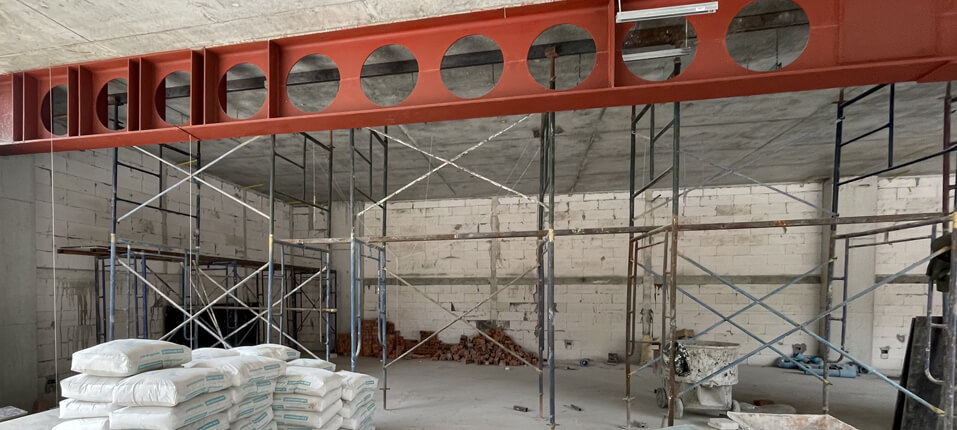
Image: Cellular Beam Reinforced with Steel Plate.
The longest cellular beam of 48 meter and the largest steel box girders used in this project are record-breaking solutions in span systems design. These innovations showcase the advanced engineering capabilities and commitment to excellence in construction exhibited by architect Mario Kleff and his team.
Cellular beam is a critical element in Kleff's architectural designs. These beams are characterized by their long spans and reduced weight, achieved through a series of circular openings along the beam's length. The 48-meter cellular beam installed in the Phra Tamnak Hill project demonstrates the beam's capability to support large spans with minimal intermediate supports.
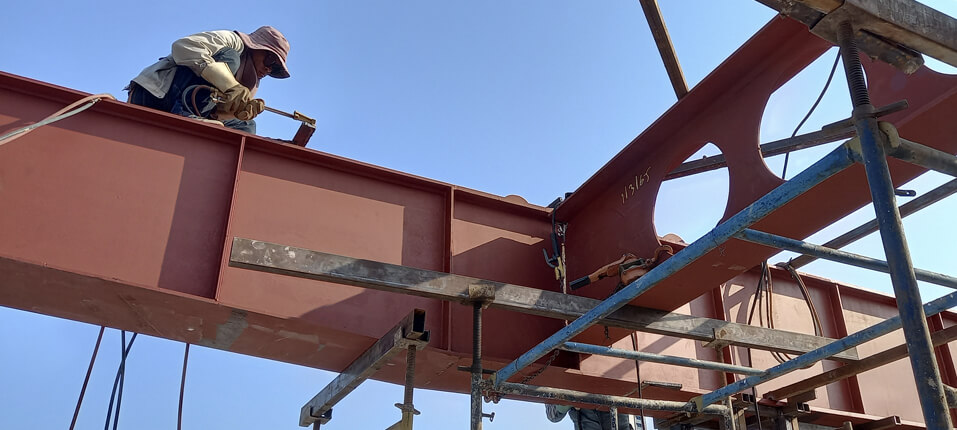
Image: Welding Work on a Steel Box Girder Cantilevering 19 Meter.
On top of the cellular beams, a heavily post-tensioned concrete slab, over 350 mm thick, was constructed. This composite method involves the application of tension to steel tendons within the concrete, enhancing its strength and durability. The combination of cellular beam and post-tensioned concrete provides robust structural integrity, capable of supporting substantial loads and resisting various stresses.
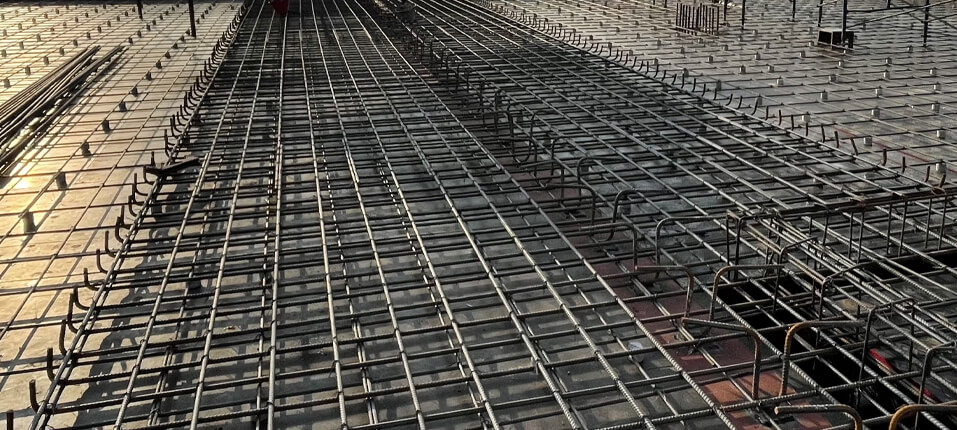
Image: Preparation Work for Post Tensioning of a Slab on Top of a Cellular Beam.
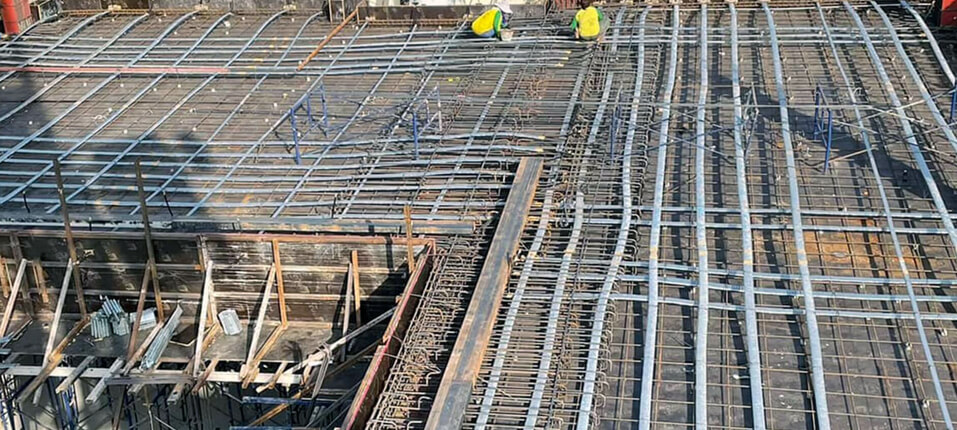
Image: Post Tensioning Design with Integration of Cellular Beam.
The construction of the villa involved a collaborative effort between Wandeegroup Asia and B.S.Y. Group PLC. The large box girders, designed by Mario Kleff and fabricated by B.S.Y. Group PLC in Samut Prakan, were installed to achieve a cantilever reaching over 19 meters to each wing side starting from a center column. This innovative design allowed for expansive, unobstructed interior spaces.
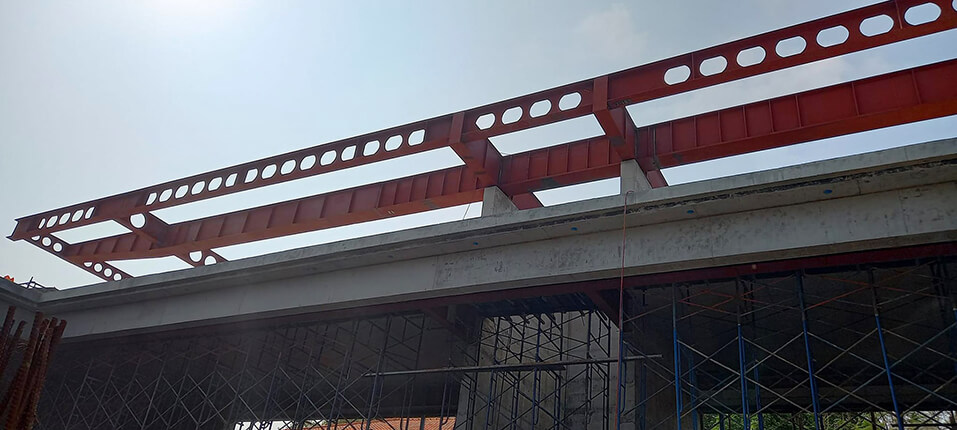
Image: Large Steel Box Girder Made of Steel Plate and Cellular Beam.
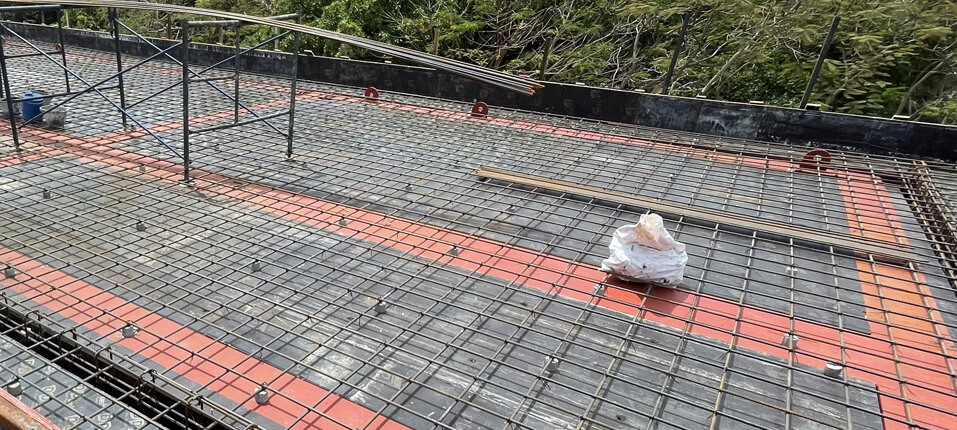
Image: Floor Slab with Visible Steel Box Girder Preparing for Concrete Pouring.
The design and execution of the project were overseen by a team of experts, including Mario Kleff, Dr. Songkiat Matupayont, Prapat Boonlualoah, and Sadudee Boonlualoah from Span Systems International. Their combined expertise ensured the structural safety and optimal performance of the building. The use of high-grade steel and ultra-high-strength concrete mix further contributed to the villa's exceptional durability and stability. Other award-winning designs featuring long-span structures by Mario Kleff include Japanese House II and the renowned Lieb Tang Rodfai Villas.
Through his strategic use of the Golden Ratio, Kleff creates designs that resonate with timeless beauty and engineering logic. Each structure is a calculated expression of form and proportion, where symmetry is not imposed but naturally emerges from the design’s internal geometry.
How long is the longest cellular beam?
The longest cellular beam reported spans 48 meter.
Can cellular beam be used in composite construction?
Mario Kleff since 2008 use cellular beam to support post-tensioned a concrete slab.
Since when is cellular beam used in Thailand?
Mario Kleff brought this innovation to Thailand in 2007, with Park Royal 2 being the inaugural project.
In which project is the 48-meter cellular beam?
In Majestic Residence Signature Villa at Majestic Residence on Phra Tamnak Hill in Pattaya.
Explore Investment Potential for Investors in Pattaya Real Estate.